

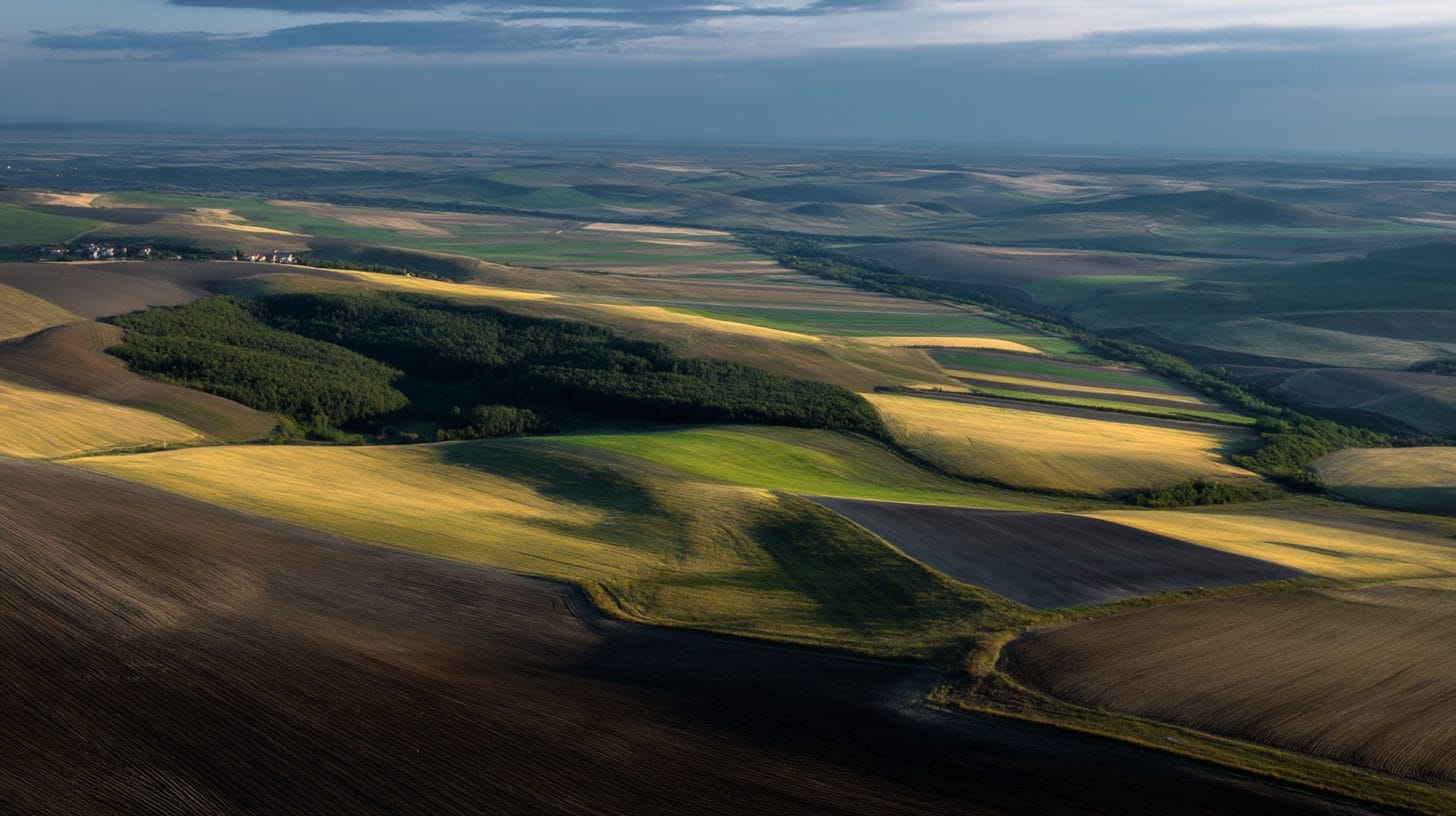
How to Research Historical Land Prices in Romania for Investment Insights
In recent years, Romania has emerged as a growing economy in Eastern Europe, attracting both local and international investors keen to take advantage of the country’s potential. But for any serious investor, an understanding of historical land prices in Romania is crucial. This knowledge is essential for making informed decisions regarding property investment, commercial developments, and agricultural ventures. In this article, we will explore various techniques for researching historical land prices in Romania, helping you gain valuable insights before committing your capital.
Understanding the Importance of Historical Land Prices in Romania
Before diving into the methods of research, it’s vital to comprehend why understanding historical land prices Romania is imperative for investment considerations. Historical land prices can shed light on long-term trends, examine the volatility of markets, and reveal potential growth areas. Investors equipped with knowledge of historical prices can better evaluate the current market landscape, anticipate future trends, and develop strategies for maximizing their returns.
Key Factors Influencing Historical Land Prices in Romania
To grasp the nuances of historical land prices in Romania, it is essential to recognize the factors influencing these prices. Several elements can impact land valuation, including:
1. Economic Condition: Romania’s economic health and stability can directly affect land prices. Periods of rapid growth can lead to increases in land valuation, while economic downturns may reduce demand and prices.
2. Location: The geographical location of a piece of land profoundly affects its market price. Properties in urban areas are typically more expensive than those in rural regions.
3. Infrastructure Development: Investments in infrastructure, such as highways, railways, and airports, can lead to increased accessibility and demand, which subsequently drives up land prices.
4. Land Utilization: Different types of land (agricultural, commercial, residential, etc.) have varying demand levels, which can impact historical pricing trends.
5. Government Policies: Regulatory changes, taxes, and subsidies can directly influence the market, so it’s essential to factor in government decisions when analyzing historical land prices.
Researching Historical Land Prices in Romania
There are several methods for researching historical land prices in Romania. Employing a diverse array of resources will yield the most comprehensive insights.
Real Estate Websites
One of the most accessible methods to research historical land prices in Romania is through online real estate platforms. Websites such as Imobiliare.ro, OLX.ro, and Storia.ro have comprehensive listings that include historical pricing data. By examining historical sales ads and property price listings, investors can identify trends across specific regions or property types. It’s advisable to filter property searches by date or price history to get a clear picture of the variations in land prices over time.
Local and National Statistics
Romania’s National Institute of Statistics (INS) and local government entities periodically release reports on real estate trends, including land prices. Accessing these reports can provide authoritative data on historical land prices Romania and comprehensive insights into specific areas and types of land. Most reports cover variations in land prices segmented by region, type of property, and timeframe, making them essential for investors looking to understand macroeconomic factors influencing land prices.
Real Estate Agencies and Professionals
Working with local real estate agencies or professionals can offer invaluable advantage, providing firsthand insights into historical land prices in specific areas. Real estate agents, land surveyors, and property evaluators often keep detailed records of past transactions and have extensive local knowledge. Building relationships with these professionals can lead to exclusive insights that might not be publicly available, such as knowledge of upcoming developments that could impact land valuations.
Academic Research and Studies
Investigating academic research papers and studies on land prices in Romania can yield in-depth analysis and trends that may not be readily available elsewhere. Universities and institutions with a focus on urban planning, real estate economics, and land studies often conduct research into historical land pricing trends. Accessing theses or dissertations related to the topic can provide academic and statistical analyses that add depth to your understanding of the market.
Public Records
In Romania, land and property ownership records are maintained by local land registries (Oficiul de Cadastru și Publicitate Imobiliară). Accessing these public records can provide detailed information about historical land transactions, ownership changes, and valuation assessments. While visiting local land registries may require some navigation through bureaucracy, this approach can yield a treasure trove of beneficial information. Moreover, most transactions are digitized, enabling easier access.
Networking and Community Engagement
Engaging in local real estate associations or property investment groups in Romania can also prove beneficial for gathering insights on historical land prices. Networking with other investors, attending local seminars, and participating in forums can help build connections that may enhance your understanding of the land market. Sharing experiences and strategies with fellow investors can uncover valuable insights that may not be documented publicly.
Data Visualization Tools
Using data visualization tools can assist in analyzing patterns of historical land prices. Software such as Tableau or Google Data Studio can help visualize data trends through charts, graphs, and heat maps. Having a visual representation of historical prices allows investors to better interpret the data and identify key timing for purchasing land.
Conclusion
Understanding historical land prices in Romania is pivotal for any investor looking to navigate the complexities of the country’s real estate market. By engaging multiple avenues of research, including real estate websites, government statistics, local agencies, academic studies, public records, networking, and data visualization tools, investors can derive meaningful insights and strategies. Equipped with this information, investors can make informed decisions to maximize their investment potential in Romania’s evolving real estate landscape.
In the quest for investment knowledge, remember that historical land prices Romania not only reveal past trends but also help shape successful investment strategies for the future. As Romania continues to develop economically, understanding these price movements will undoubtedly become a more critical factor for investors seeking to thrive in this promising market.
By employing diverse research techniques and resources, you will be well-prepared to tackle challenges, seize opportunities, and ultimately succeed in your real estate investment endeavors in Romania.
Interested in Land Investment in Romania?
We specialize in high-yield land and property opportunities for serious investors.
VIEW OUR CURRENT PORTFOLIOSecure your investment with Land For Investors.

Published: April 12, 2025