

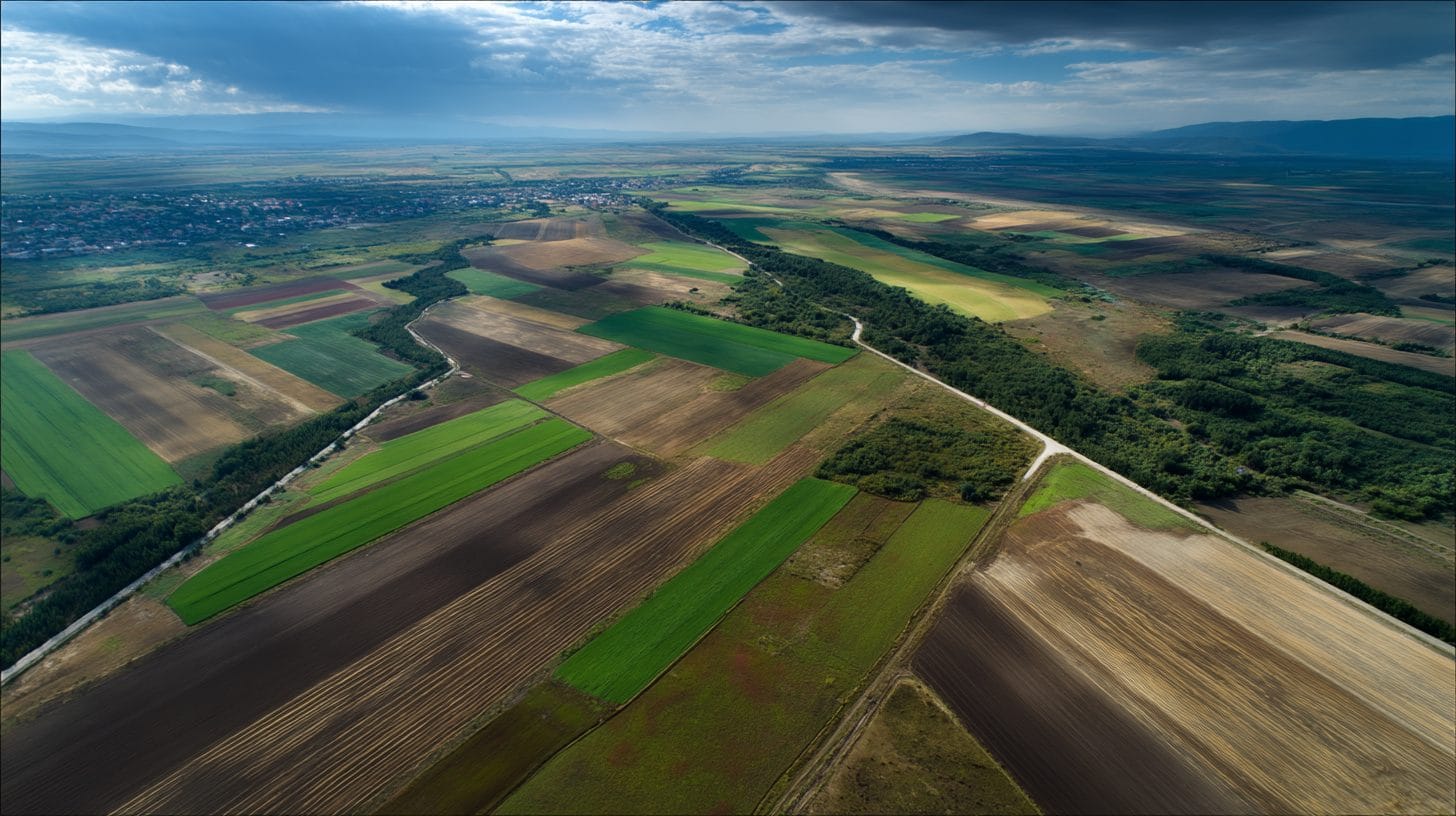
Title: How to Plan for Future Development on Lands Along Bucharest’s Ring Road
The continuous evolution of urban spaces is a fundamental aspect of modern city planning. For Bucharest, the city’s extensive Ring Road presents a compelling opportunity for future development. The efficient utilization of land along this critical transportation route is crucial for fostering economic growth while ensuring sustainable urban development. This article will delve into strategic considerations, best practices, and essential steps needed to plan development land along Bucharest’s Ring Road effectively.
Understanding the Context of Bucharest’s Ring Road
Bucharest’s Ring Road, a vital arterial route encircling the city, serves as a principal connector for both traffic and commerce. It enables easy access to various districts, industrial zones, and commercial areas. As one of the busiest roads, its development potential is immense; however, it also presents challenges related to traffic congestion, pollution, and urban sprawl. Consequently, any planning for development land along this road must carefully consider these dynamics to promote balanced growth.
Key Considerations When Planning Development Land Along the Ring Road
1. Zoning Regulations
Before initiating any planning effort, stakeholders must understand the zoning regulations that govern land use along Bucharest’s Ring Road. These regulations designate specific areas for residential, commercial, industrial, and mixed-use developments. Engaging with local authorities and urban planning organizations can provide insights into current zoning classifications and any potential for zoning changes that align with future development goals.
2. Infrastructure and Accessibility
Strategic development of land requires a thorough analysis of existing infrastructure, including transportation networks, utilities, and public services. The Ring Road offers access to significant transit options; however, projects must ensure that new developments are adequately connected to public transportation, thereby promoting mobility and reducing reliance on personal vehicles. This accessibility will enhance the attractiveness of properties and support economic viability.
3. Environmental Impact
Any planning for development must incorporate an assessment of the environmental impact to ensure sustainability. This includes analyzing potential effects on local air quality, noise levels, and ecosystems surrounding the Ring Road. Undertaking an Environmental Impact Assessment (EIA) may be necessary to identify potential environmental risks and outline mitigation strategies that adhere to local and national regulations.
4. Economic Feasibility
Assessing economic feasibility is crucial when planning development land along Bucharest’s Ring Road. A comprehensive feasibility study should evaluate market demand, competition, and financial implications. Understanding the local economy and making data-driven decisions can help determine the types of developments likely to succeed, whether they be residential complexes, commercial spaces, or industrial parks.
5. Community Engagement
Incorporating community input is essential for successful land development planning. Engaging with local residents and stakeholders can provide valuable insights into their needs, preferences, and concerns. Hosting public forums and consultations can foster a collaborative environment that encourages support for development initiatives, reducing the likelihood of opposition.
6. Long-term Vision
Planning for development land should extend beyond immediate goals to consider long-term outcomes. A well-structured master plan can help visualize the future landscape of areas along the Ring Road, identifying potential growth corridors and clusters. It should emphasize a holistic approach to urban development that promotes sustainability and quality of life for residents.
Best Practices for Development Planning
1. Integrated Approach
Integrating land use planning with transportation planning is vital. Development along the Ring Road should consider traffic patterns, transit nodes, and potential for multimodal transportation solutions. This integrated approach can foster a well-connected urban fabric that enhances accessibility and mobility.
2. Sustainable Design
Sustainable design principles should underpin all planning activities. Developments should prioritize energy efficiency, use sustainable materials, promote green spaces, and incorporate innovative technologies. Green infrastructure can help mitigate environmental impacts and enhance community well-being.
3. Mixed-Use Developments
Encouraging mixed-use developments can create vibrant communities that foster live-work-play environments. Such developments can reduce the need for long commutes, thereby lessening traffic pressures on the Ring Road. This aligns with broader trends of urbanization and demographic shifts toward urban living.
4. Phased Development
Implementing a phased development strategy can allow for gradual growth and adaptation to changing needs over time. This approach can help manage infrastructure demands, giving local governments time to respond to the evolving urban landscape.
5. Regular Review and Adaptation
The landscape of urban development is constantly evolving. Regular reviews and updates to the development plan are necessary to account for emerging trends, new technologies, and changes in the economic landscape. Adaptability is key in ensuring that development efforts remain relevant and effective.
Conclusion
Planning for development land along Bucharest’s Ring Road is a multifaceted endeavor that requires a comprehensive understanding of urban dynamics, regulatory frameworks, and community needs. As Bucharest continues to grow, strategic development planning that emphasizes sustainability, community engagement, and economic viability will be paramount. Stakeholders must follow a methodical approach that includes feasibility studies, environmental assessments, and community feedback, fostering a vision for future development that not only meets the immediate needs but also contributes to the long-term prosperity of the entire metropolitan area. With thoughtful planning and execution, the lands along Bucharest’s Ring Road can transform into thriving economic hubs, enhancing the vitality and livability of the city.
Interested in Land Investment in Romania?
We specialize in high-yield land and property opportunities for serious investors.
VIEW OUR CURRENT PORTFOLIOSecure your investment with Land For Investors.

Published: March 20, 2025