

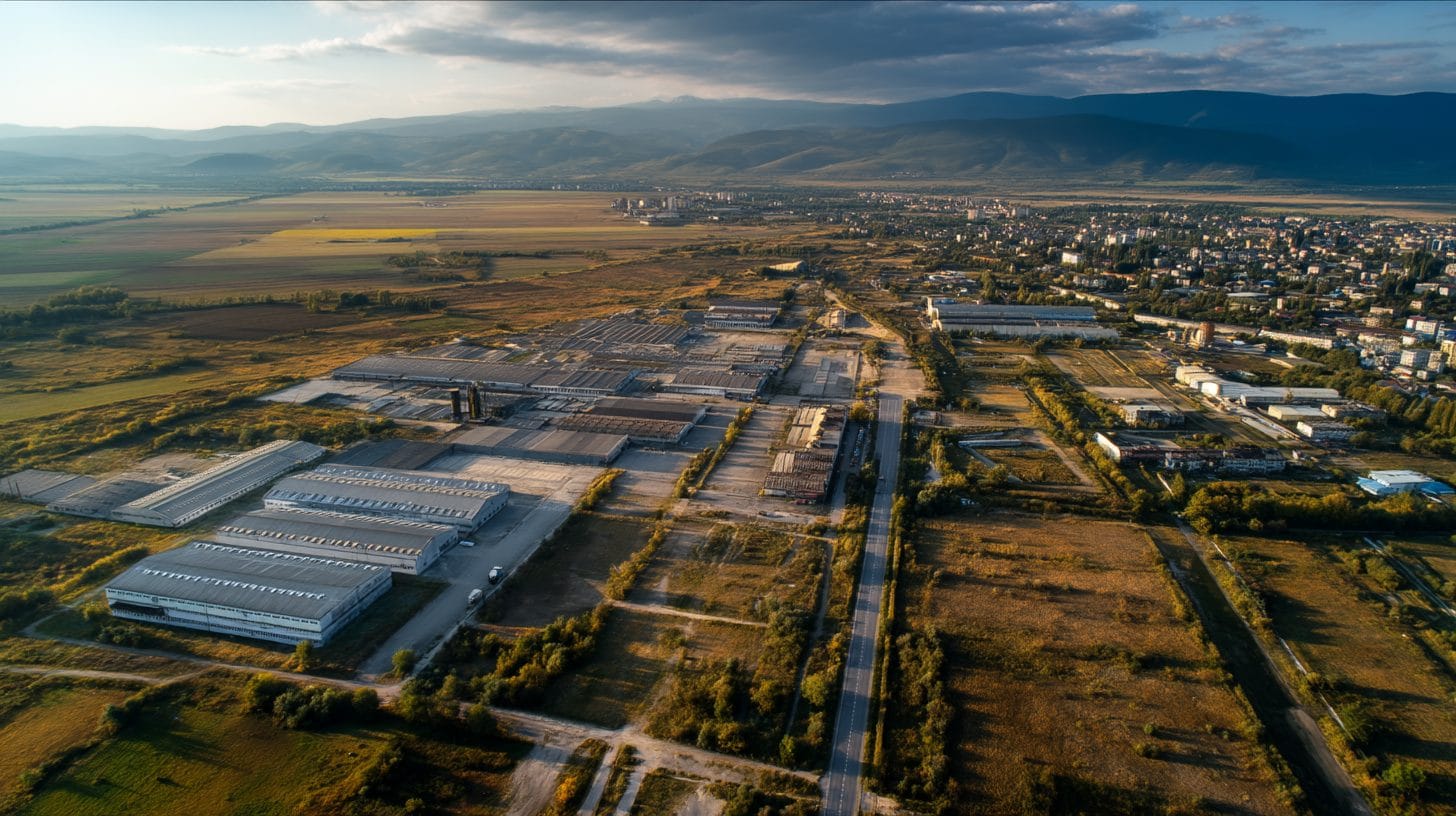
How to Leverage Local Market Data to Make Informed Property Investment Decisions
In today’s dynamic real estate landscape, property investors are faced with myriad choices and uncertainties. One of the pivotal strategies for ensuring successful investment outcomes is leveraging local market data. This approach is particularly vital for those considering local market data property investments near Bucharest, where the real estate environment can shift dramatically based on socio-economic factors, market trends, and local regulations.
Understanding Local Market Data
Local market data encompasses a range of statistical information specific to real estate in a designated area. This data typically includes property prices, rental rates, historical sales trends, demographic information, and economic indicators. By analyzing this data, investors can gain insights into the current state of the market, predict future trends, and make more educated decisions.
Key Components of Local Market Data
The key components of local market data relevant for property investments near Bucharest include:
1. **Property Price Trends**: Monitoring how property prices have fluctuated over time can provide insights into market cycles, potential appreciation, and investment timing.
2. **Rental Yields**: Understanding the rental yield, which is the annual rental income as a percentage of the property’s value, is crucial for assessing cash flow potential. It is particularly important for investors looking at buy-to-let opportunities in Bucharest.
3. **Vacancy Rates**: High vacancy rates can indicate an oversupply in the market or decreasing demand, both of which can affect property values and rental income.
4. **Demographic Trends**: Information about the population density, age distribution, and economic demographics can help investors identify areas with growth potential.
5. **Economic Indicators**: Factors such as employment rates, average income levels, and economic growth can impact demand for housing. These indicators are essential to understanding the overall health of the area’s real estate market.
Leveraging Local Market Data for Informed Decision Making
1. **Conduct Comprehensive Research**: Start by gathering as much local market data as possible. This can include utilizing reliable real estate platforms, accessing government statistics, or collaborating with local real estate experts who have first-hand knowledge of the Bucharest area. Websites, local real estate agencies, and statistical offices are excellent sources for this data.
2. **Identify Market Trends**: Once you have collected the relevant data, analyze it to identify trends and patterns. For instance, if you notice an uptick in property prices in certain neighborhoods coupled with a spike in population growth, it could signal an promising investment opportunity.
3. **Assess Property Performance**: Evaluate the performance of similar properties in the Bucharest area to set realistic expectations. This means comparing properties by size, type, age, and condition. By understanding how similar properties perform in details such as price per square meter or rental price, you gain valuable insights into what makes a good investment in the local market.
4. **Utilize Local Experts**: Engaging with local real estate agents or property consultants can provide insider knowledge that complements your data analysis. These professionals often have a contextual understanding of trends and shifts influenced by factors like new infrastructure, schools, and transportation developments, which are critical for long-term value appreciation.
5. **Be Aware of Legal and Regulatory Environment**: Understanding the legal framework surrounding property ownership and rental in Bucharest is essential. Stay updated on local regulations, property taxes, and any upcoming changes to policies that may impact property investment. This helps in accurately calculating potential expenses and understanding the risks involved.
6. **Monitor Economic Stability**: Local market data property investments are inherently linked to the broader economic landscape. Monitor key economic indicators, such as Gross Domestic Product (GDP) growth, inflation rates, and employment rates, to gauge market stability. Economic downturns typically affect property demand and values, therefore staying ahead of the curve is vital.
7. **Evaluate Areas for Future Growth**: Certain neighborhoods near Bucharest may be underperforming currently but have potential for future development. Look for indicators such as planned infrastructure projects, commercial developments, and demographic shifts. Areas experiencing gentrification or urban renewal are often ripe for investment, providing lucrative opportunities.
8. **Diversify Investment Strategies**: Use local market data to tailor your investment strategies effectively. Whether you are considering residential properties, commercial investments, or even mixed-use developments, your decisions should be grounded in data-driven insights. Consider different approaches based on what is performing best in specific locales within Bucharest.
Conclusion
Leveraging local market data is paramount to making informed property investment decisions, especially in a vibrant and rapidly changing market like that near Bucharest. By comprehensively understanding various market indicators, analyzing trends, and utilizing local expertise, investors can optimize their strategies for success. As you embark on your property investment journey, remember that informed decisions grounded in robust local market data will ultimately enhance your investment outcomes. In a competitive real estate environment, knowledge truly is power.
Interested in Land Investment in Romania?
We specialize in high-yield land and property opportunities for serious investors.
VIEW OUR CURRENT PORTFOLIOSecure your investment with Land For Investors.

Published: April 25, 2025