

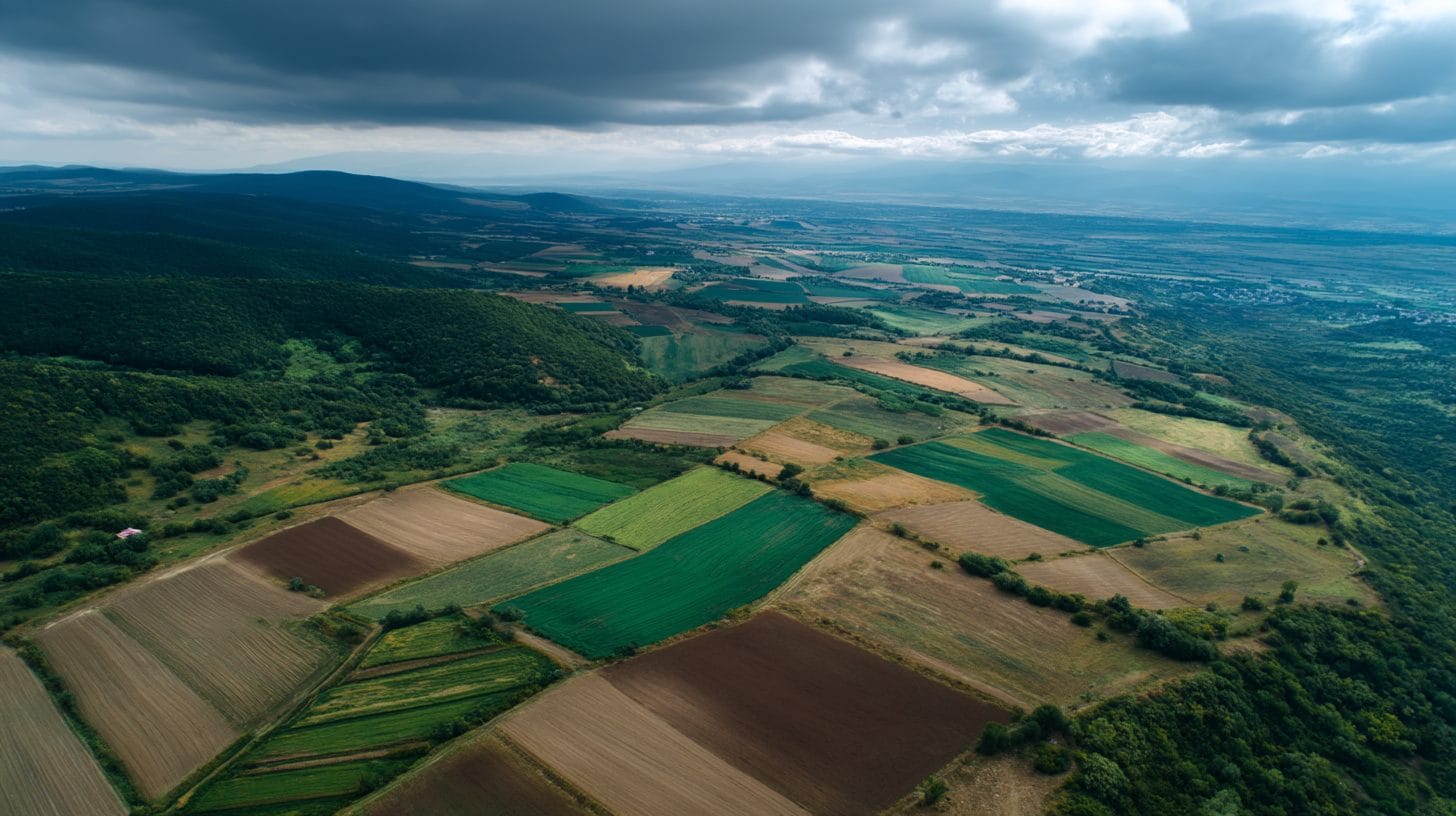
How to Leverage International Market Trends to Invest in Romanian Land
Investing in land can be a lucrative endeavor, especially when you can effectively harness international market trends. Romania, with its breathtaking landscapes, rich cultural heritage, and strategic location in Eastern Europe, has drawn the attention of investors seeking diverse opportunities in real estate. This article aims to provide insights into how international market trends influence land investment in Romania and how to leverage these trends for optimal financial returns.
Understanding International Market Trends
International market trends are characterized by the collective behavior of investors, emerging economic indicators, regional stability, and geopolitical factors that influence investment activities across borders. Keeping abreast of such trends is vital for anyone looking to invest in land, as they can provide critical insights into potential growth areas, price fluctuations, and investment viability.
Key International Market Trends Affecting Land Investment in Romania
1. Economic Growth in Eastern Europe
As Eastern Europe continues to recover from previous economic downturns, Romania stands out as one of the fastest-growing economies in the region. The increase in foreign direct investment (FDI), government initiatives to promote business, and rising living standards present a compelling narrative for land investment. Investors can benefit from the upward trajectory of property values as the economy strengthens.
2. The Rise of Digital Nomadism
The recent rise in remote work and digital nomadism has reshaped how people perceive living locations. With an increasing number of professionals seeking a better quality of life in affordable and scenic destinations, Romania has started to gain traction. Its cost-effective living coupled with beautiful landscapes makes it an attractive option for remote workers. Investing in land catering to this demographic—such as areas near cities like Bucharest or Cluj-Napoca—could yield profitable returns.
3. Sustainability and Green Investments
Global emphasis on sustainability has pushed investors to consider environmental impact when choosing where to invest. Romania is rich in natural resources, farmland, and forests. Opportunities exist for sustainable land development projects. Investors focusing on eco-friendly initiatives, renewable energy, or organic farming can not only improve their financial prospects but also contribute to environmental conservation.
4. Real Estate Development Trends
The global real estate market is increasingly shifting towards mixed-use developments. In Romanian cities, this trend is evident as developers seek to create neighborhoods that blend residential, commercial, and recreational spaces. Identifying land parcels within urban planning zones earmarked for development can provide considerable upside for investors as city infrastructure expands.
5. EU Membership Benefits
Romania’s continued membership in the European Union comes with significant economic benefits. Access to EU funds, projects for infrastructure development, and regulatory harmonization offer a stable investment environment. Investors can leverage these advantages to navigate the complexities of land acquisition, making rational decisions that align with EU policies and regulations.
Strategies for Leveraging These Trends for Land Investment in Romania
1. Conduct In-Depth Market Research
Investors must conduct thorough market research to understand how international market trends affect local dynamics. This includes analyzing property values, demographic shifts, and future development plans. Engage with local real estate experts to gain insights on emerging hot spots where land prices are expected to rise due to economic or infrastructural improvements.
2. Target Growth Areas
Focus on geographic areas that are poised for growth due to the aforementioned trends. For instance, locations near tech hubs or tourist attractions often see rapid development, leading to increased demand for land. Properties located along major transportation routes or in up-and-coming urban areas can yield impressive returns.
3. Assess Regulatory Changes
Stay informed about local laws affecting land ownership and real estate transactions. Understanding zoning laws, land-use regulations, and building codes can provide a competitive edge in evaluating land for investment. Be particularly attentive to changes that may facilitate or hinder real estate development.
4. Network with Local Professionals
Developing relationships with Romanian real estate agents, lawyers, and local government officials can provide invaluable support in navigating the market. Local professionals can offer insights into forthcoming trends, land parcels available for investment, and potential challenges. This network can also assist in negotiations for land purchase and subsequent development.
5. Diversify Your Portfolio
Diversification is a crucial strategy in mitigating risks associated with land investment. Consider investing in various types of land such as agricultural, residential, or commercial properties to broaden your portfolio’s reach. This strategy can cushion your investment against market fluctuations while allowing you to take advantage of differing trends in various segments.
6. Consider Partnerships and Joint Ventures
Partnering with established entities in Romania can be a strategic move for international investors unfamiliar with the local market. Joint ventures with local developers or agricultural businesses can facilitate the acquisition of land and its subsequent development, sharing both risks and rewards.
Conclusion
Investing in Romanian land requires careful consideration of international market trends, comprehensive research, and robust strategies. By leveraging economic growth, shifts in lifestyle choices, sustainability movements, and EU advantages, investors can make informed decisions that yield substantial returns. As Romania continues to evolve within the broader context of Eastern Europe, staying attuned to these trends will be vital for capitalizing on the rich opportunities available in the land market. Embrace these insights, and you have the potential to build a flourishing investment portfolio in one of Europe’s most captivating countries.
Interested in Land Investment in Romania?
We specialize in high-yield land and property opportunities for serious investors.
VIEW OUR CURRENT PORTFOLIOSecure your investment with Land For Investors.

Published: April 13, 2025