

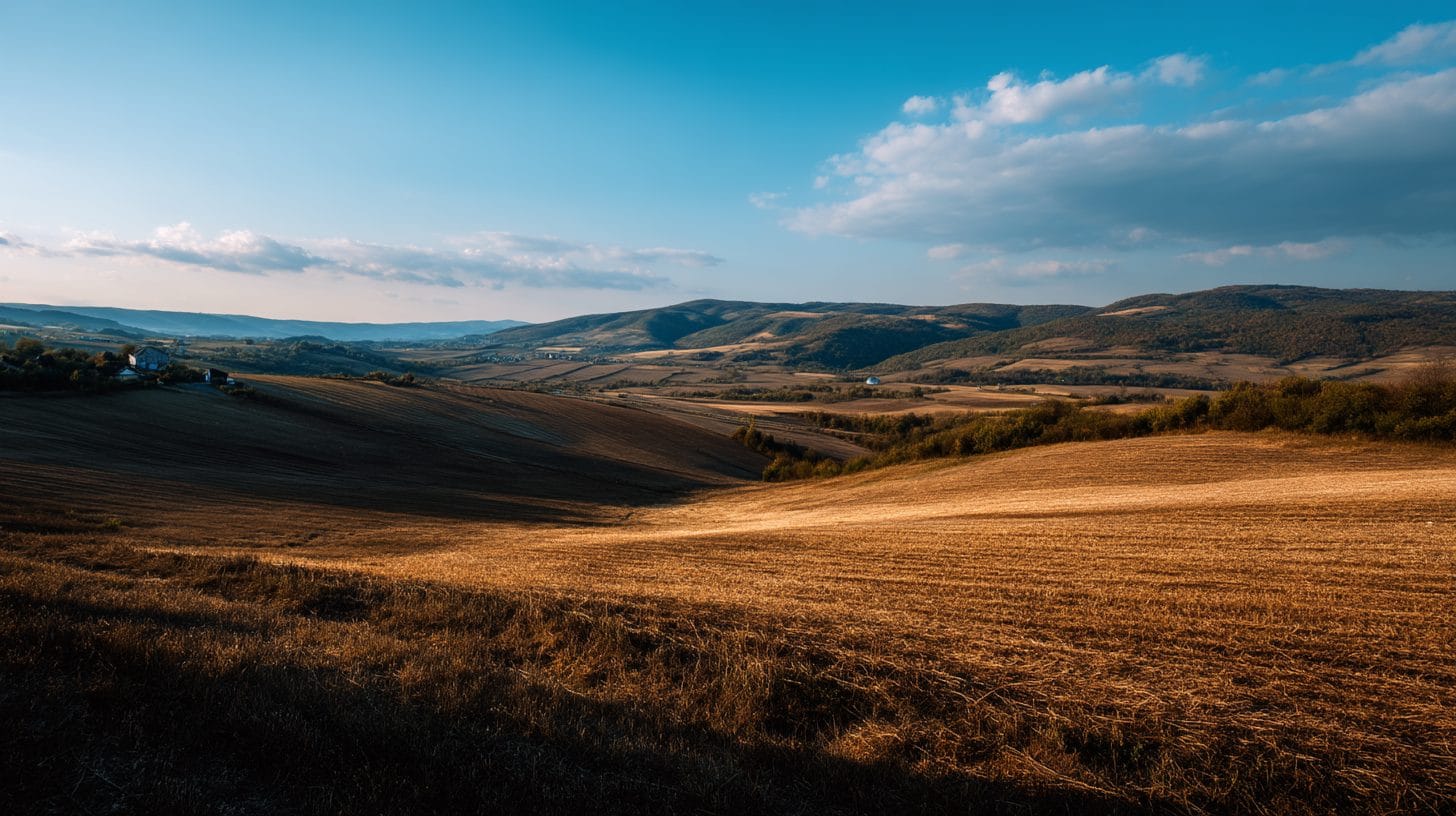
In recent years, the growth of urban areas, particularly around major cities such as Bucharest, has led to increasing demand for land. Understanding how to price lands fairly near Bucharest is crucial for investors, real estate developers, and individuals looking to buy or sell property. Leveraging comparative analysis can serve as an invaluable tool in this process, ensuring that pricing decisions are based on objective data rather than subjective perceptions. This article delves into how to effectively utilize comparative analysis for fair pricing of lands near Bucharest.
The Essence of Comparative Analysis
Comparative analysis involves assessing market data and trends, surveying similar properties (or “comps”) in the vicinity, and identifying price points that can guide a fair evaluation of land value. This methodology is commonly used in real estate for pricing homes, but its principles are highly applicable to land valuation as well. For effective comparative analysis regarding fair pricing of lands near Bucharest, several key components must be considered:
1. Data Collection: The foundation of a solid comparative analysis stems from accurate and comprehensive data collection. Collect recent sales data on similar lands within the desired area surrounding Bucharest. This data should encompass various attributes, including size, zoning, location, land use potential, and any improvements already made to the land. Public records, agents, and real estate platforms can serve as crucial resources for gathering this information.
2. Identifying Comparable Properties: After collecting data, the next step is to select comparable properties that reflect similarities in size, location, and overall value. Properties should ideally be recently sold or currently listed within the past few months, as real estate markets can shift quickly. Assessing similar lands, even ones further out from Bucharest, may provide insights into pricing trends that affect the overall market.
3. Analyzing Price Per Square Meter: One of the simplest methods to gauge land pricing is by calculating the price per square meter. This metric provides an overview of how different lands are priced relative to their size. It serves as a baseline when evaluating the fair pricing of lands near Bucharest in the context of their specific features and locations.
4. Adjustments for Unique Features: Not all lands are created equal; furthermore, various attributes may impact the value of a specific plot. If certain land parcels have unique features (e.g., water access, scenic views, zoning for commercial use), these must be factored into the comparative analysis. Adjust the price per square meter accordingly, assigning either positive or negative values to account for these individual characteristics. This nuanced approach helps to refine pricing assessments and leads to a more accurate valuation.
5. Market Trends and Economic Conditions: Beyond analyzing specific properties, it is essential to monitor market trends and local economic factors impacting land prices. Consider variables such as local infrastructure developments, demographic shifts, and economic growth that influence demand. For instance, if new transportation links are established or businesses relocate to the outskirts of Bucharest, the land in those areas will likely experience price appreciation. Understanding these broader trends adds context to your comparative analysis and helps in estimating fair pricing of lands.
6. Engaging Local Real Estate Experts: Utilizing local real estate agents, appraisers, or land development professionals can enhance the comparative analysis process. These experts possess granular knowledge about the market dynamics surrounding Bucharest. They can offer insights regarding which properties to evaluate and provide further verification of your findings, ensuring that your comparative analysis aligns with local market conditions.
7. Software and Analytical Tools: In today’s digital age, leveraging technology can streamline the comparative analysis process. Several online tools and software applications can help aggregate data, conduct statistical analyses, and visualize price trends. Tools like Geographic Information Systems (GIS) can analyze spatial data, allowing for advanced comparisons based on geographical elements affecting land value.
8. Continuous Monitoring: The real estate market is an ever-evolving environment. Price fluctuations can occur due to numerous factors, including shifts in buyer preferences, city regulations, or economic conditions. To maintain fair pricing, continuous monitoring of the comparative analysis against real-time market changes becomes necessary. Regularly update your data sources and maintain a dynamic understanding of the local real estate landscape around Bucharest.
Implementing Comparative Analysis: Case Study
To illustrate the efficacy of leveraging comparative analysis for fair pricing of lands near Bucharest, let’s consider a realistic case study. A developer aims to purchase a 1,000 square meter parcel of land for residential development in the northern suburbs of Bucharest.
1. The developer collects recent sales data from lands sold in the area within the last year, focusing on those similar in size and potential use.
2. Upon finding three comparable properties—each with slightly varying attributes—the developer calculates their respective price per square meter.
3. Through careful examination, the average price per square meter across the comps is determined to be €75.
4. An adjustment is made for the desired parcel, which has unobstructed views and nearby amenities, suggesting a premium pricing of €85 per square meter.
5. Market trends are considered, revealing that property prices in this suburb have increased steadily due to new schools being built in the vicinity, further supporting the developer’s price assumption.
6. In consultation with a local real estate expert, the developer validates the fair pricing assessment, noting that the market supports the proposed prices.
Conclusion
The application of comparative analysis remains an essential strategy in determining fair pricing of lands near Bucharest. By systematically collecting data, identifying comparable parcels, and analyzing market trends, stakeholders can make informed pricing decisions that reflect current market dynamics. The importance of continual monitoring and expert consultation further enhances the accuracy of these assessments. As Bucharest and its surrounding areas continue to evolve, leveraging comparative analysis will empower individuals and developers to navigate the complexities of real estate pricing with confidence and precision. This approach not only ensures fair pricing but also contributes to more sustainable growth in the land market, fostering a healthier economic environment for investments near Bucharest.
Interested in Land Investment in Romania?
We specialize in high-yield land and property opportunities for serious investors.
VIEW OUR CURRENT PORTFOLIOSecure your investment with Land For Investors.

Published: April 18, 2025