

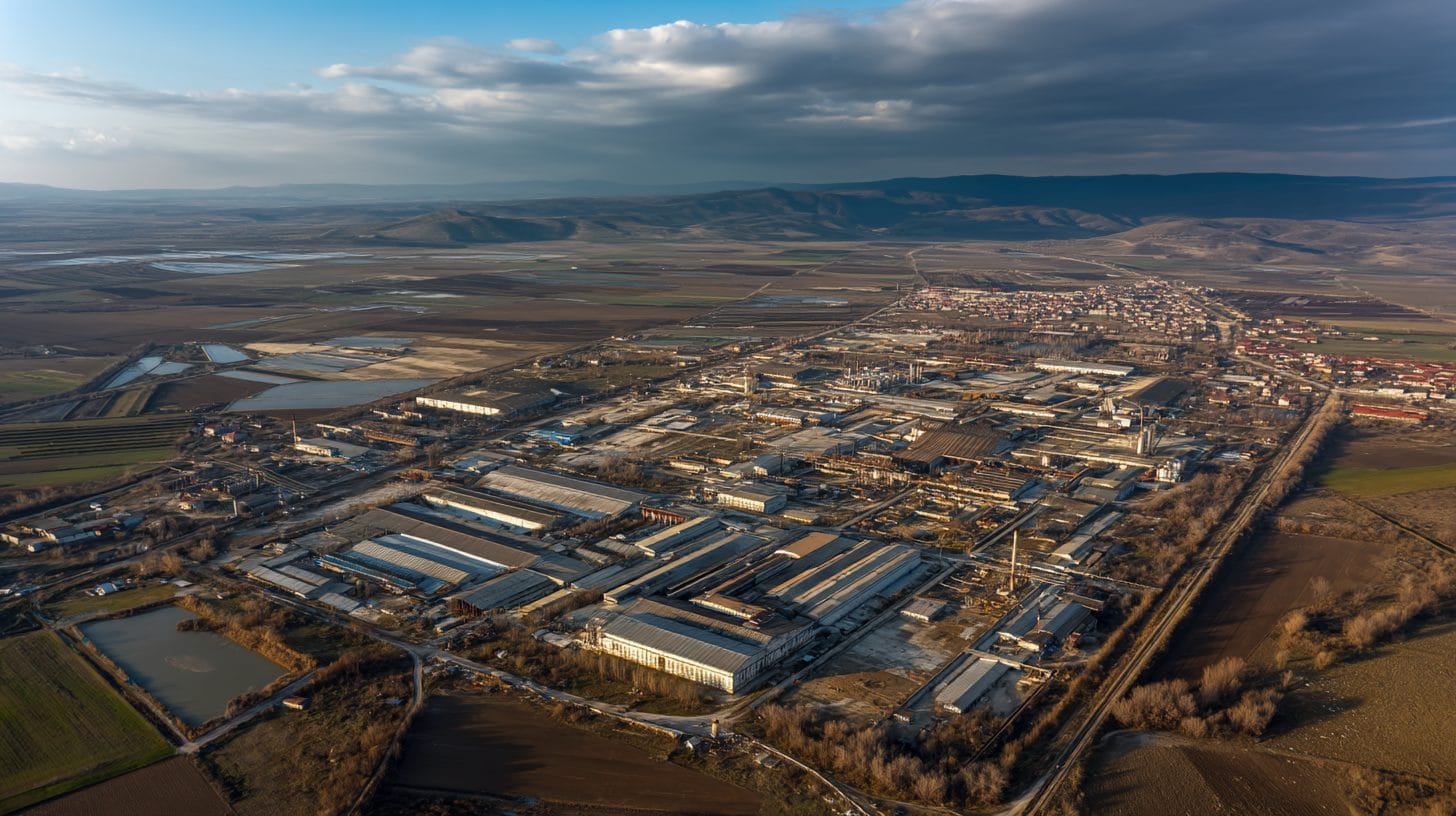
How to Invest in Rental Properties in Romania
Investing in rental properties has become an increasingly popular financial strategy for those looking to generate passive income and build long-term wealth. As Romania’s economy continues to grow and the real estate market matures, many investors are turning their gaze towards this vibrant country in Southeast Europe. This article will explore the essential steps and considerations involved in rental property investment in Romania, providing insights to help you navigate this exciting opportunity.
Understanding the Romanian Real Estate Market
Before diving into the world of rental property investment in Romania, it is critical to understand the current state of the real estate market. Over the last decade, Romania has experienced a significant economic resurgence. Major cities like Bucharest, Cluj-Napoca, Timisoara, and Iasi have witnessed robust growth in real estate values, making them attractive locations for investors.
The rental market in Romania is primarily driven by demand from students, young professionals, and expatriates. With an increasing number of businesses setting up operations in key urban centers, coupled with a steady influx of international migrants, the demand for quality rental properties continues to rise.
Research and Planning
Successful rental property investment in Romania begins with thorough research and strategic planning. Before purchasing a property, market analysis is crucial. Investors should look into rental yields, market trends, and property values in diverse neighborhoods within desired cities. Use local real estate websites, consult with property agents specializing in the Romanian market, and analyze demographic information related to population growth and economic development.
Identifying the Right Location
Location is a pivotal factor when investing in rental properties. Certain areas in Romania are more attractive than others due to their proximity to key amenities, employment opportunities, and transportation links. Choosing a prime location is likely to yield higher returns on investment.
In Bucharest, areas like Herastrau, Pipera, and the old town are highly sought after for their vibrant atmosphere and accessibility. Cities like Cluj-Napoca and Iasi attract a younger, dynamic population, predominantly students and young professionals. An investor should also consider upcoming areas that show signs of development, as these often yield properties at a lower cost with the potential for significant appreciation.
Financing Your Investment
Once the right location has been identified, investors must secure financing for their property. In Romania, a variety of financing options are available, including bank loans, private lenders, and personal savings. Foreign investors can find banks in Romania willing to provide mortgages issued in either local currency (Romanian Leu) or euros. It is essential to have relevant documentation, including proof of identity, income, and sometimes legal residency in Romania if applicable.
Understanding Local Regulations and Legal Framework
Navigating the legal landscape is crucial when investing in rental properties in Romania. Investors need to familiarize themselves with local laws regarding property ownership, rental agreements, and tenant rights. According to Romanian law, foreign investors are typically allowed to purchase property, though there are restrictions on land ownership for non-EU citizens.
It is advisable to enlist the help of a local attorney with expertise in real estate to help navigate contracts and ensure compliance with all property laws. Additionally, understanding tax implications relating to rental income, taxes on property transactions, and potential capital gains tax when selling the property is essential for financial planning.
Property Acquisition Process
Purchasing a rental property in Romania involves several steps. Once potential properties are identified, a formal offer can be made—typically accompanied by a reservation agreement, which may require a small deposit. Upon acceptance of the offer, the next step is to sign a preliminary purchase contract that outlines the terms of the sale.
Afterwards, due diligence is critical. Investors should carry out property inspections, check for any legal disputes or debts associated with the property, and verify land title ownership. Following successful due diligence, the final purchase contract can be signed, and the property can be registered in the local Land Registry.
Preparing the Property for Rent
Turning a newly acquired property into a rental one requires thorough preparation. This process often includes renovation and furnishing. Focus on making the space appealing to prospective tenants—think about modern finishes, essential appliances, and design elements that cater to local tastes.
Decide on the rental strategy: short-term rentals (such as through Airbnb) or long-term leases. Short-term rentals may yield higher nightly rates, especially in tourist-heavy areas, while long-term leases often provide more stability with regular monthly income.
Marketing Your Rental Property
A successful marketing strategy is essential when entering the rental market. Leverage online platforms like Airbnb, Booking.com, and local real estate websites to reach a wide audience. Additionally, utilizing social media marketing can help target potential renters. High-quality photographs and detailed property descriptions that highlight features and amenities can attract quality tenants.
Consider working with local real estate agents, as they often have access to a network of potential renters and can provide assistance in property management, rent collection, and maintenance.
Property Management
Managing rental properties can be time-consuming, especially for investors who live abroad or engage in multiple investments. Many landlords opt to hire property management companies that specialize in rental property management in Romania. These companies can handle tasks such as tenant screening, rent collection, maintenance, and addressing tenant complaints.
Understanding tenant rights and responsibilities is crucial for a successful landlord-tenant relationship. Familiarizing yourself with the Romanian lease agreements and ensuring compliance with local rental laws will help mitigate disputes and ensure a smooth rental experience.
Measuring Success and Adapting Strategies
After acquiring and renting out a property, continuously track its performance by evaluating occupancy rates, rental income, and maintenance costs. Set up a clear plan to regularly assess the market and adapt your investment strategy accordingly. Stay informed about changes in local laws, the overall economic climate, and shifts in tenant demand to maximize returns on your rental property investment in Romania.
Conclusion
Rental property investment in Romania offers promising opportunities for investors seeking diversification or passive income streams. By thoroughly researching, planning, and executing a well-structured investment strategy, you can capitalize on this burgeoning market. As Romania continues to grow and evolve, becoming a part of its real estate landscape can yield profitable and rewarding outcomes for both domestic and international investors alike. Remember, informed decisions and due diligence are the keys to success in this exciting journey of rental property investment in Romania.
Interested in Land Investment in Romania?
We specialize in high-yield land and property opportunities for serious investors.
VIEW OUR CURRENT PORTFOLIOSecure your investment with Land For Investors.

Published: April 4, 2025