

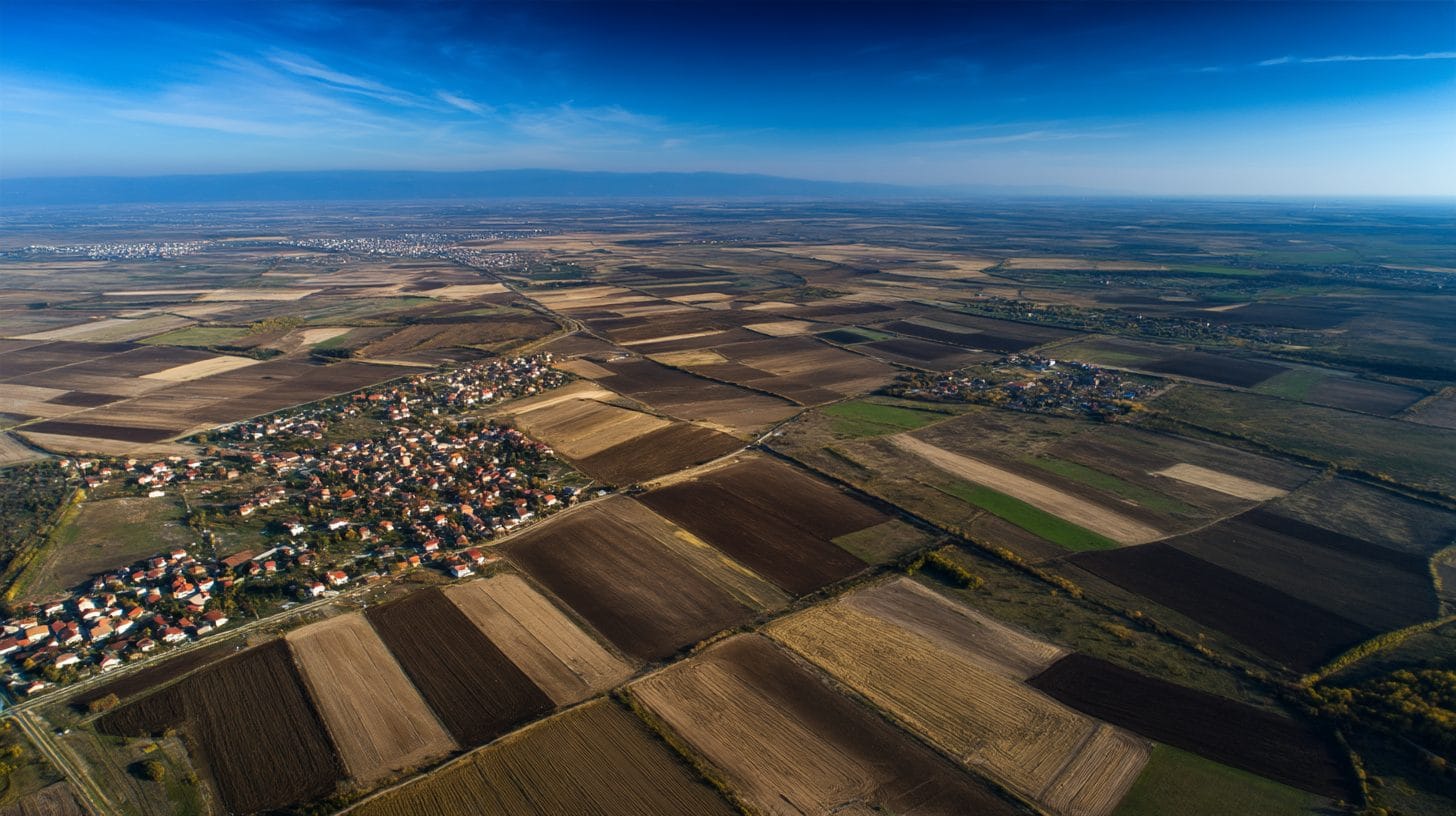
How to Identify Land with High Agricultural Potential Near Bucharest
Identifying land with high agricultural potential is crucial for investors, farmers, and stakeholders entrenched in the agricultural sector, especially in the area surrounding Bucharest, Romania. Bucharest, the capital city, is not only a cultural and economic hub but also offers unique opportunities for agricultural endeavors due to its proximity to fertile lands. In this article, we will explore the factors that determine agricultural potential and provide a comprehensive guide on identifying prime agricultural real estate in this area.
Understanding Agricultural Potential
Agricultural potential refers to the capacity of a piece of land to produce agricultural goods, such as crops or livestock. It is influenced by multiple factors, including soil quality, climate, water availability, and topography. When seeking agricultural potential land near Bucharest, it is essential to analyze these factors carefully to ensure that the land will meet the specific needs of the intended agricultural use.
Soil Quality
The first and foremost factor to consider when identifying agricultural land is soil quality. Soil fertility greatly influences the productivity of crops. Conducting a soil test can provide essential insights into pH levels, nutrient content, and textures that will affect crop growth. Most of the agricultural potential land in the vicinity of Bucharest has fertile soils due to the region’s geoclimatic conditions. Look for lands with high clay or loam content, which are usually more fertile than sandy soils. It is also beneficial to inquire about any previous agricultural activities on the land, as this can impact the existing soil conditions.
Climate and Weather Patterns
The climate is another crucial factor in determining agricultural potential. The area around Bucharest generally features a temperate-continental climate, characterized by hot summers and cold winters. This climatic condition supports a wide range of crops, including cereals, vegetables, and fruits. Understanding local weather patterns—including average precipitation, temperature extremes, and growing seasons—will greatly enhance the investor’s decision-making process. Farmers should ideally choose land that is known to support their desired crops effectively based on these climatic factors.
Availability of Water Resources
Water availability is essential for any agricultural activity. Analyzing the proximity to water sources such as rivers, lakes, or aquifers is vital when searching for agricultural potential land in Bucharest. Moreover, the type of irrigation system that can be implemented will also affect the overall viability of the agricultural operation. The area surrounding Bucharest has several rivers, including the Dâmbovița River, which can be beneficial for irrigation purposes. Therefore, evaluating the hydrological characteristics of the land and any legal restrictions related to water usage is crucial before making a purchase.
Topography and Drainage
The topography of the land can dramatically influence its agricultural potential. Flat lands or gently rolling hills are often the most suitable for agriculture, as they allow for easier planting and harvesting. Sloped areas may pose challenges, such as increased risk of soil erosion and difficulties in mechanization. Furthermore, effective drainage systems are essential for managing excess water during wet seasons. While inspecting potential land, it is advisable to assess the drainage patterns and overall landscape to ensure that it is conducive to agricultural practices.
Proximity to Markets and Infrastructure
The proximity of agricultural land to markets and transportation infrastructure can significantly affect operational efficiency and profitability. Land that is strategically located closer to urban centers, like Bucharest, or major transportation routes can provide farmers with easier access to markets, reducing transportation costs and time. This accessibility is particularly important for perishable goods needing quick distribution. In addition, consider the availability of local services such as supply stores, feed shops, and agricultural cooperatives that can support farming operations.
Compliance with Legal Regulations
Navigating the legal landscape is imperative when considering agricultural investment. Each piece of land may come with its own set of restrictions and regulations imposed by local authorities. Ensuring compliance with zoning laws, water rights, and land use permits is essential to avoid potential issues in the future. Consulting with local agricultural experts or legal advisors to help navigate these complexities can assist in making informed decisions regarding agricultural potential land around Bucharest.
Utilizing Technology and Resources
In today’s digital age, leveraging technology can enhance your ability to identify suitable agricultural potential land. GIS (Geographic Information Systems) technologies can help assess land characteristics objectively by providing data about soil types, climate zones, and land ownership. There are various online resources and databases available that can provide valuable insights into land use statistics and historical agricultural performance for particular areas near Bucharest. Utilizing these technologies can give farmers and investors a competitive advantage in their search for the right agricultural potential land.
Investing in Local Expertise
Collaboration with local agricultural experts or agricultural extension services can provide invaluable support during your search for land with high agricultural potential near Bucharest. These professionals can offer in-depth knowledge about the locality, including trends in agricultural practices, recommendations for crops that thrive in the area, and insights into local market demands. Establishing relationships with these individuals can not only assist in making informed choices about agricultural land but can also pave the way for future partnerships and networking within the agricultural community.
Conclusion
Identifying land with high agricultural potential near Bucharest involves a multifaceted approach that encompasses an understanding of soil quality, climate, water resource availability, topography, market proximity, compliance with regulations, and leveraging technology. By paying close attention to these factors and collaborating with local experts, stakeholders can make informed decisions that will optimize productivity and profitability. As Bucharest continues to grow, the demand for agricultural potential land will simultaneously rise, making it increasingly important to utilize these insights to foster a flourishing agricultural future in the region. Investing wisely in suitable agricultural land can not only yield substantial economic benefits but also contribute to the sustainability and resilience of local food systems surrounding Bucharest.
Interested in Land Investment in Romania?
We specialize in high-yield land and property opportunities for serious investors.
VIEW OUR CURRENT PORTFOLIOSecure your investment with Land For Investors.

Published: March 15, 2025