

How to Identify Land Suitable for Solar Farm Development on Bucharest’s Ring Road
The increasing demand for sustainable energy solutions has made solar farm development a prominent focus in the renewable energy sector. With the city of Bucharest’s commitment to reducing carbon emissions and transitioning to greener energy sources, the development of solar farms on Bucharest’s Ring Road presents a unique opportunity. This article will discuss how to identify land suitable for solar farm development along this vital transport route while considering various critical factors essential for successful implementation.
Understanding Solar Farm Development
Solar farm development involves the establishment of large-scale solar power facilities that generate electricity from sunlight. These installations typically comprise numerous photovoltaic (PV) panels arranged on land to absorb maximum sunlight. As part of its renewable energy strategy, Bucharest aims to harness solar energy and capitalize on its geographical advantages. Therefore, zoning in on appropriate land along Bucharest’s Ring Road is crucial for efficient solar farm development.
Physical Characteristics of Suitable Land
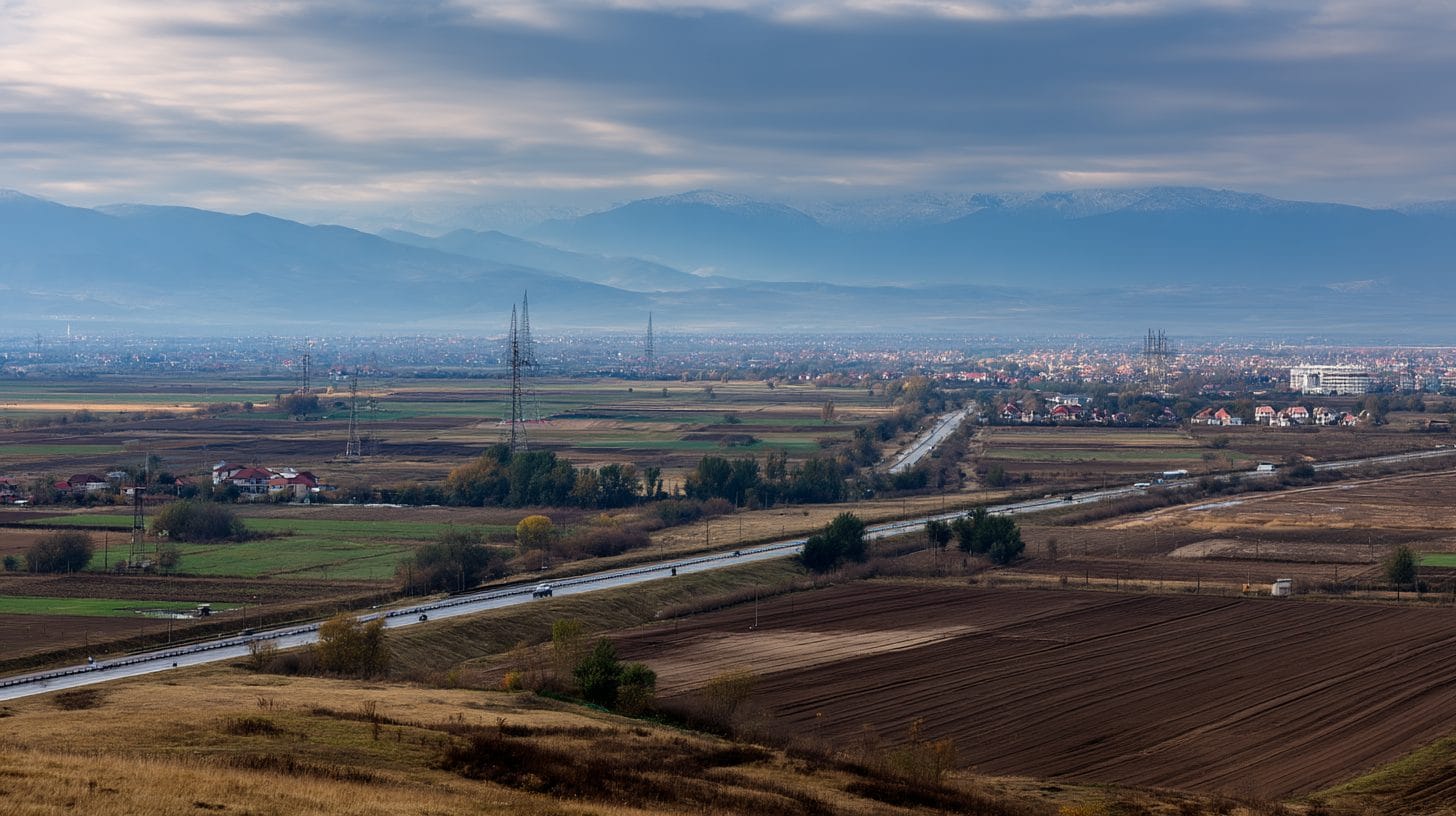
When identifying land for solar farm development along Bucharest’s Ring Road, several physical characteristics must be assessed:
1. Topography: Level land is ideal for solar installations, as it minimizes land preparation costs and ensures optimal panel placement. Gently sloped terrain (up to 5%) can be acceptable if designed appropriately.
2. Soil Quality: The type of soil should be conducive to excavation and heavy equipment movement. Stable and compact soil is necessary to support the weight of solar panels and accompanying structures. Conducting soil tests is essential to ascertain its suitability.
3. Sunlight Exposure: A critical factor in solar energy generation is the availability of sunlight. The ideal land should be unobstructed by tall buildings or trees that could cast shadows over the panels. South-facing slopes are particularly favorable as they receive maximum sunlight throughout the day.
4. Size of the Property: The minimum size for an economically viable solar farm often ranges between 1-5 hectares, but larger parcels are preferable to maximize energy output and economies of scale.
Regulatory Considerations for Solar Farm Development
Before initiating any solar farm development project on Bucharest’s Ring Road, it is crucial to understand and comply with local regulations. The following aspects should be taken into account:
1. Zoning Laws: Development plans must align with local zoning regulations governing land use. Identifying parcels zoned for industrial or energy use can streamline the process.
2. Environmental Impact Assessments: Carrying out an environmental impact assessment (EIA) is often required. This analysis ensures that the proposed solar farm will not adversely affect local wildlife or ecosystems. The EIA process may involve public consultations and feedback from environmental groups.
3. Interconnection with the Grid: Assess the distance of the chosen land from existing electric grid infrastructure. Proximity to power lines can significantly reduce interconnection costs and facilitate energy distribution.
4. Permitting Process: Familiarize yourself with the necessary permits required for construction and operation of solar farms. This may include permissions from local government bodies and utility companies.
Market Demand and Economic Viability
Conducting a thorough market analysis is critical to determine the economic viability of a solar farm development project. Assess the following:
1. Energy Demand: Evaluate the energy consumption patterns in Bucharest and surrounding areas. Understanding energy demand can help forecast the potential energy output from the solar farm.
2. Incentives and Subsidies: Investigate any government incentives or financial aid available for renewable energy projects. Such programs can significantly offset development costs.
3. Return on Investment (ROI): Calculating the expected ROI will provide insights into the financial feasibility of the solar farm project. Factors influencing ROI include capital costs, operating expenses, and energy sales revenues.
Community Engagement and Stakeholder Consultation
Engaging with local communities and stakeholders is crucial for the successful development of solar farm projects on Bucharest’s Ring Road. This process establishes trust and can lead to valuable partnerships. Steps to consider include:
1. Organizing Information Sessions: Host workshops to inform community members about the benefits of solar energy and the specifics of the proposed development.
2. Addressing Concerns: Be prepared to address any concerns regarding land use, aesthetics, and potential impacts on local wildlife. Open dialogue can help mitigate opposition.
3. Building Partnerships: Collaborate with local businesses and organizations interested in renewable energy. This can foster support and simplify the permitting process.
Advanced Technology Considerations
Emerging technologies can enhance the efficiency of solar farm development. Some innovations to consider include:
1. Bifacial Solar Panels: These panels harness sunlight from both sides, increasing energy generation potential.
2. Tracking Systems: Solar trackers adjust the panel orientation throughout the day to maximize sun exposure, thereby increasing energy output.
3. Energy Storage Solutions: Battery storage systems can store excess energy generated during peak sunlight periods for use during high-demand times.
Evaluating Land Options Strategically
Once all factors are considered, begin evaluating land options along Bucharest’s Ring Road strategically. The following approaches may assist in this process:
1. GIS Mapping: Geographic Information Systems (GIS) mapping can provide detailed visual information on land parcels, topography, land use zoning, and proximity to existing infrastructure.
2. Site Visits: Conduct physical site visits to evaluate potential locations. Visiting in different weather conditions can also reveal sunlight exposure and shadowing issues.
3. Stakeholder Collaboration: Collaborate with landowners to discuss leasing options or purchase agreements. Owners may also be interested in forming joint ventures.
Future Trends in Solar Energy Development
As renewable energy technologies continue to evolve, solar farm development will likely adapt to meet new energy demands. Anticipating future trends can keep your project relevant:
1. Policy Changes: Staying informed of regional and EU regulations around renewable energy can help ensure compliance and capitalize on incentives.
2. Technological advancements: Continued research and development will lead to even more efficient solar technologies, making it essential to stay engaged with industry developments.
3. Public Attitudes: Growing public awareness of climate change is leading to increased support for renewable energy initiatives. Community acceptance can greatly influence project timelines and success.
In conclusion, the opportunity for solar farm development land on Bucharest’s Ring Road is substantial, but careful planning and consideration of various factors are essential in identifying the most suitable properties. Conducting thorough analyses, understanding regulatory requirements, engaging the community, and evaluating advanced technologies will set a strong foundation for successful solar energy production. Sustainable growth within the renewable sector will contribute positively to Bucharest’s energy landscape, providing clean and efficient power for years to come.
Interested in Land Investment in Romania?
We specialize in high-yield land and property opportunities for serious investors.
VIEW OUR CURRENT PORTFOLIOSecure your investment with Land For Investors.

Published: March 22, 2025