

How to Identify Land Suitable for Solar Farm Development on Bucharest’s Ring Road
With the world’s increasing focus on renewable energy sources, solar energy has emerged as one of the most viable alternatives. In Romania, particularly in Bucharest, the potential for solar farm development is gaining traction due to the growth of solar energy technologies and the government’s supportive policies. This article aims to guide potential investors, developers, and stakeholders on how to identify land suitable for solar farm development on Bucharest’s Ring Road, thereby contributing to the region’s sustainable energy transition.
Understanding the Importance of Location
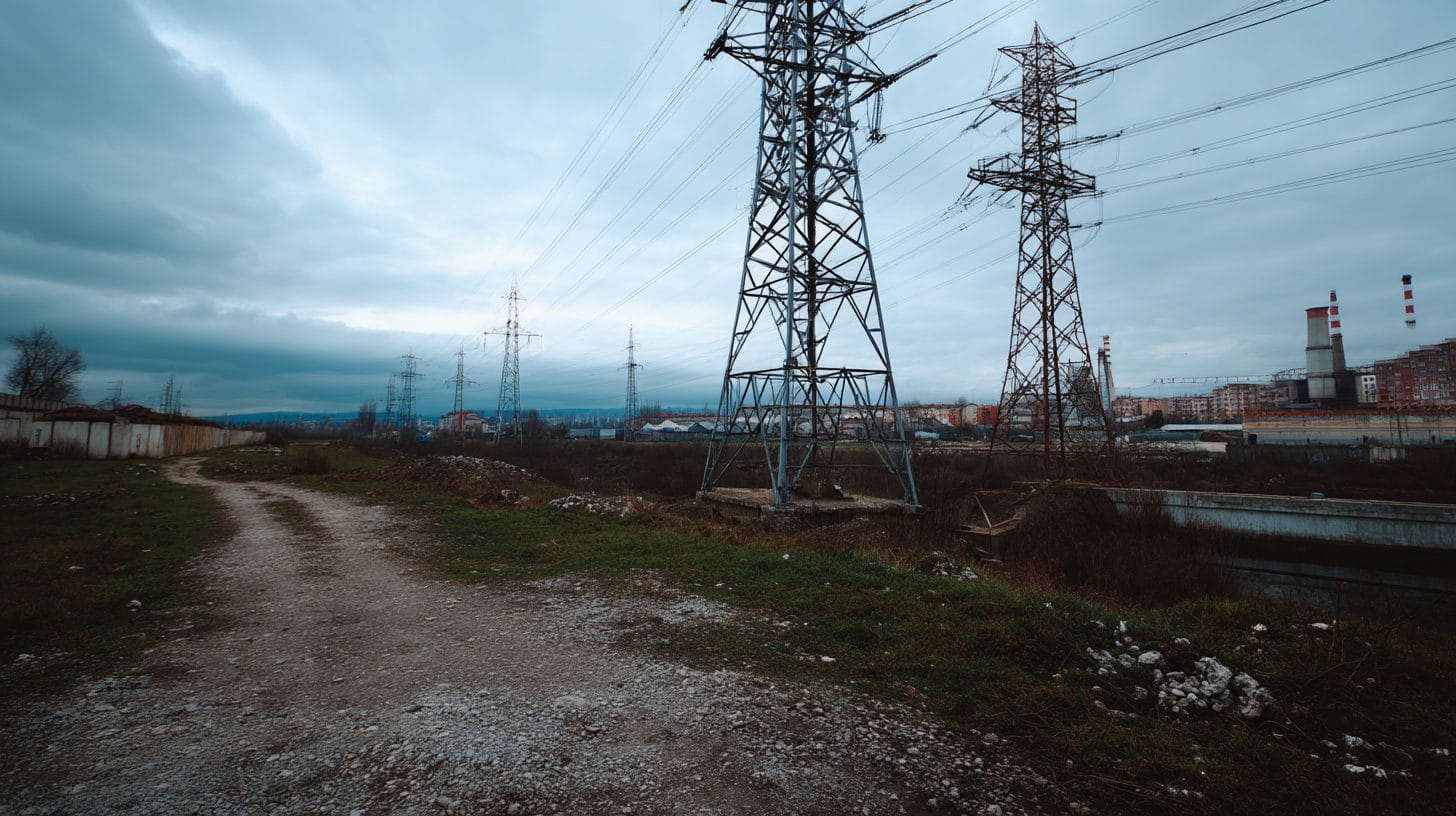
When considering solar farm development land in Bucharest’s Ring Road, the paramount factor is location. The proximity to existing electrical grids is essential since it reduces transmission losses and costs. As Bucharest’s Ring Road encircles the city, it serves as a strategic intersection for power distribution, making it an appealing location for solar project developers. Furthermore, the proximity to major transport links facilitates easy access to the site during both the construction and operational phases of the solar farm.
Site Characteristics
The geological and ecological characteristics of the land are crucial in determining its suitability for solar farm development. First and foremost, solar farms require a flat area with minimal shading from surrounding structures and vegetation. It is advisable to consider sites that are free from obstructions such as tall buildings and trees. Additionally, the land should ideally be located on non-agricultural land to minimize the conflict with food production. Brownfield sites, formerly used for industrial purposes, may offer significant advantages, including reduced land acquisition costs and fewer regulatory hurdles.
Solar Irradiance and Weather Patterns
Another critical consideration in identifying suitable solar farm development land on Bucharest’s Ring Road involves evaluating solar irradiance levels. Solar irradiance refers to the power per unit area received from the Sun in the form of electromagnetic radiation. Bucharest enjoys a favorable climate with a considerable number of sunny days throughout the year, making it conducive for solar energy production. Developers can refer to solar mapping tools and historical meteorological data to assess the solar potential of specific locations within Bucharest.
Environmental Impact Assessments
Before finalizing any land for solar farm development, an environmental impact assessment (EIA) is essential. This evaluation identifies potential environmental effects that could arise from the development and operation of the solar project and ensures that the considerations for biodiversity conservation and landscape integrity are upheld. Developers should engage with local communities and regulatory bodies to obtain feedback and address any concerns that may arise regarding the potential impact on the local ecosystem. Concurrently, sites that are significantly distant from protected natural areas or important wildlife habitats are usually preferred to mitigate ecological disruption.
Zoning and Land Use Regulations
Bucharest’s zoning and land use regulations play a significant role in determining suitable land for solar farm development. Developers are encouraged to consult local authorities to ascertain the land’s zoning classification and any restrictions that may apply. In some cases, certain zones may be designated for utility-scale projects, while others may prohibit or restrict operations. Understanding the local legislation is vital, as it can save developers time and financial resources by streamlining the permitting process.
Securing Necessary Permits and Approvals
Once potential lands for solar farm development have been identified, the next step involves acquiring the necessary permits and approvals from relevant governmental bodies. The Romanian government has implemented a framework to facilitate the development of renewable energy projects, thus expediting the approval process for solar farms. Familiarity with this framework, including the need for planning permission, grid connection permits, and environmental permits, will help strengthen the project’s feasibility and ensure compliance with national and local regulations.
Community Engagement and Stakeholder Collaboration
Engaging with the local community and relevant stakeholders is another fundamental aspect of identifying suitable solar farm development land on Bucharest’s Ring Road. Transparency in communication regarding the project’s objectives, expected impacts, and potential benefits fosters positive relationships with surrounding residents. Community buy-in can become a definitive asset for the successful implementation of a solar project, especially if financial incentives, such as job creation and revenue generation for local municipalities, are effectively communicated.
Economic Viability and Financial Evaluation
The economic viability of a solar farm project significantly depends on the land chosen for development. Factors including land costs, tax implications, and potential return on investment must be thoroughly analyzed. When assessing land costs, it is essential to compare potential sites in Bucharest’s Ring Road to ensure that investors are making informed decisions. Furthermore, existing incentives for solar energy investments, such as tax breaks and grants provided by the Romanian government, can enhance a project’s financial viability.
Transitioning from Identification to Development
The journey from identifying suitable land for solar farm development on Bucharest’s Ring Road to project realization involves a multitude of steps, including site characterization, stakeholder engagement, securing permits, and eventual construction. Collaboration with experienced developers, engineers, and financiers is crucial to successfully transition from a mere land identification phase to actual solar farm development. By leveraging expert perspectives and allowing thorough due diligence, stakeholders can mitigate risks and enhance the prospects for sustainable energy production.
Conclusion
Identifying land suitable for solar farm development on Bucharest’s Ring Road is a multifaceted process encompassing location analysis, site characteristics, environmental considerations, regulatory compliance, and community engagement. The strategic selection of sites, together with expert collaboration and adherence to legal and environmental protocols, can pave the way for successful solar project implementation. As Romania continues to innovate and expand its renewable energy capacity, investing in solar farm development could play a pivotal role in shaping a sustainable future. By focusing on proper site identification, stakeholders can contribute meaningfully to Bucharest’s renewable energy landscape and advance towards achieving national and global sustainability goals. The future of solar energy in Romania looks promising, and the Ring Road could very well be at its heart.
Interested in Land Investment in Romania?
We specialize in high-yield land and property opportunities for serious investors.
VIEW OUR CURRENT PORTFOLIOSecure your investment with Land For Investors.

Published: March 24, 2025