

How to Identify Land Suitable for Solar Farm Development Near Bucharest
As the world increasingly shifts towards renewable energy, solar farm development has emerged as a pivotal aspect of sustainable energy strategies. For investors, developers, and environmental advocates looking into solar farm development land near Bucharest, understanding the essential criteria that dictate land suitability is crucial. With Romania’s favorable solar irradiance, coupled with EU incentives for renewable energy, Bucharest stands as a prime location for solar initiatives. This article delves into the various factors that must be assessed when identifying the right land for solar farm development, specifically focused on areas near Bucharest.
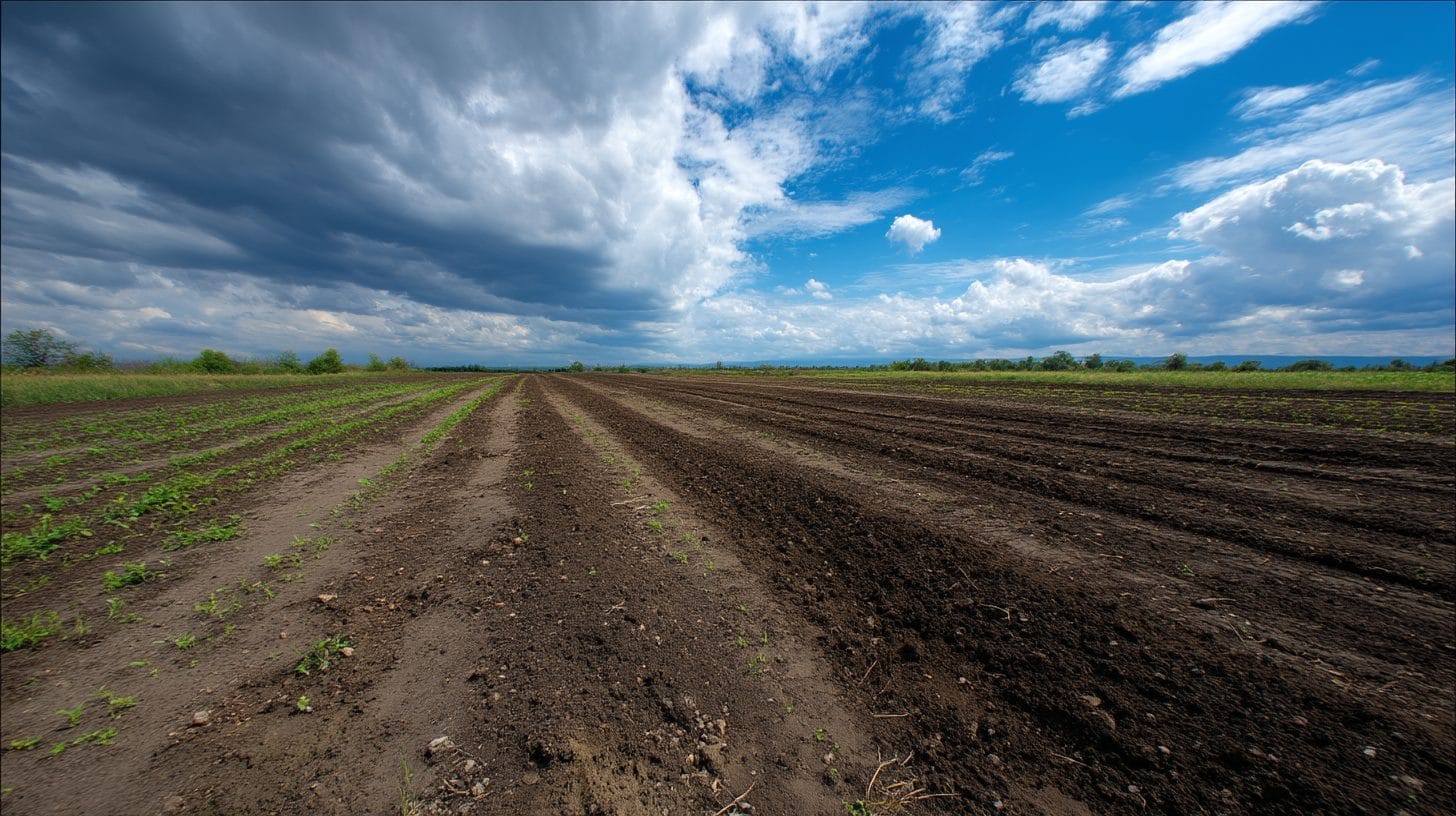
Firstly, the availability of land plays an integral role in solar farm development. The ideal tracts of land for solar energy solutions are typically large, flat, and located in regions free from obstructions such as large buildings or trees that could hinder sunlight exposure. Near Bucharest, there are several districts and peri-urban areas that exhibit these characteristics, particularly agricultural lands that may be repurposed for energy production. It is essential to verify the land’s zoning regulations to ensure that its use can be modified for solar farm development. Engaging with local municipal authorities can provide clarity on the permissible use of the land, as many urban planning documents outline areas designated for renewable energy initiatives.
Secondly, assessing the solar radiation potential is a fundamental step in suitable land identification. Bucharest benefits from a significant amount of sunlight annually, making it an attractive location for solar investment. Solar radiation data can be sourced from meteorological services or specialized databases, which offer insights into expected irradiance levels across various terrains. Areas that receive at least four to five peak sun hours per day are typically regarded as optimal for solar installations. Consider using solar mapping tools and software to analyze the solar potential of land parcels near Bucharest. These resources can provide vital data on solar energy yields and assist in making informed decisions.
Another critical factor to contemplate is land accessibility. The logistical framework surrounding the site must permit easy access for construction, operations, and maintenance activities of the solar farm. Proximity to transportation networks, whether roads or railroads, is invaluable, not only for the initial deployment of solar technologies, such as photovoltaic panels and inverters but also for ongoing maintenance and potential grid interconnections. Evaluating the infrastructure surrounding potential solar farm development land near Bucharest will ultimately facilitate a smoother process in both the establishment and functionality of the plants.
The analysis of local grid connectivity is also vital. A reliable connection to the electrical grid is paramount for efficiently distributing the energy generated by the solar farm. Engaging with local energy providers to understand the infrastructure in place and any potential enhancements needed for grid integration is key. This can also influence the financial viability of the project. In Bucharest, utilities such as ENEL or Transelectrica can provide critical insights into grid capacity, potential upgrades needed, and the processes for energy feed-in tariffs that support renewable energy initiatives.
Environmental impact assessments represent another layer of consideration when seeking solar farm development land near Bucharest. An understanding of the local ecology, soil types, and biodiversity impact is essential for sustainable development practices. Engaging with environmental consultants can provide comprehensive assessments that not only adhere to local regulations but also promote ecological sustainability. In areas with rich biodiversity or protected land, additional regulatory hurdles may hinder development, thus steering clear of ecologically sensitive regions will help avoid complications in approvals.
Local community engagement is equally significant when exploring appropriate land for solar farm development. Discussions with residents and local stakeholders not only foster goodwill but also can aid in overcoming potential opposition to new projects. Solar developments, while beneficial for renewable energy, may raise concerns regarding visual impacts, land use changes, and economic implications for local industries. By building a rapport with the community and considering their feedback and concerns, developers can facilitate smoother project implementation.
Financial considerations, including land acquisition costs, operational expenses, and potential market returns, also impact the decision-making process. Engage with local real estate experts and financial analysts who specialize in renewable energy projects to navigate the economic landscape. Grants, subsidies, and tax incentives offered by the Romanian government and EU frameworks for renewable energy can also influence the financial feasibility of a solar farm development project near Bucharest.
Lastly, understanding the regulatory landscape, including local, national, and EU policies supporting renewable energy, is critical. Romania’s commitment to increasing its renewable energy sources and reduced carbon emissions makes it a favorable environment for solar investments. For potential developers, consulting with legal advisors familiar with energy law and local regulations is essential to ensure compliance and optimize investment returns through available incentives.
In conclusion, identifying suitable solar farm development land near Bucharest entails a multifaceted approach that encompasses land availability, solar irradiance potential, accessibility, grid connectivity, environmental assessments, community engagement, and financial analysis. By rigorously evaluating these elements, developers can position themselves strategically within Bucharest’s growing renewable energy landscape, capitalizing on the significant opportunities presented by solar power. The journey to harnessing solar energy begins with careful planning and an informed understanding of the local context, laying the groundwork for a sustainable and profitable venture in solar farm development for both investors and the community alike.
Interested in Land Investment in Romania?
We specialize in high-yield land and property opportunities for serious investors.
VIEW OUR CURRENT PORTFOLIOSecure your investment with Land For Investors.

Published: March 14, 2025