

How to Identify Land Suitable for Solar Farm Development in Romania
As the world pivots toward renewable energy sources, Romania has emerged as a promising destination for solar farm development. With an abundance of sunlight throughout much of the year, this Eastern European country provides ideal conditions for harnessing solar power. However, not all land in Romania is suitable for solar farm development. Thus, understanding how to identify optimal land for solar projects is crucial for developers and investors looking to capitalize on Romania’s burgeoning renewable energy sector. This article outlines a comprehensive guide for identifying solar farm development land in Romania, taking into consideration various factors such as geographic, legal, and economic considerations.
Understanding Geographic Factors
Geographic factors play an essential role in identifying suitable land for solar farm development in Romania. The first consideration is solar irradiance, which is the amount of solar energy received per square meter. Romania benefits from high solar irradiance, especially in areas such as Dobrogea and Oltenia. Conducting a GIS (Geographic Information System) analysis helps in pinpointing regions that receive optimal sunlight throughout the year.
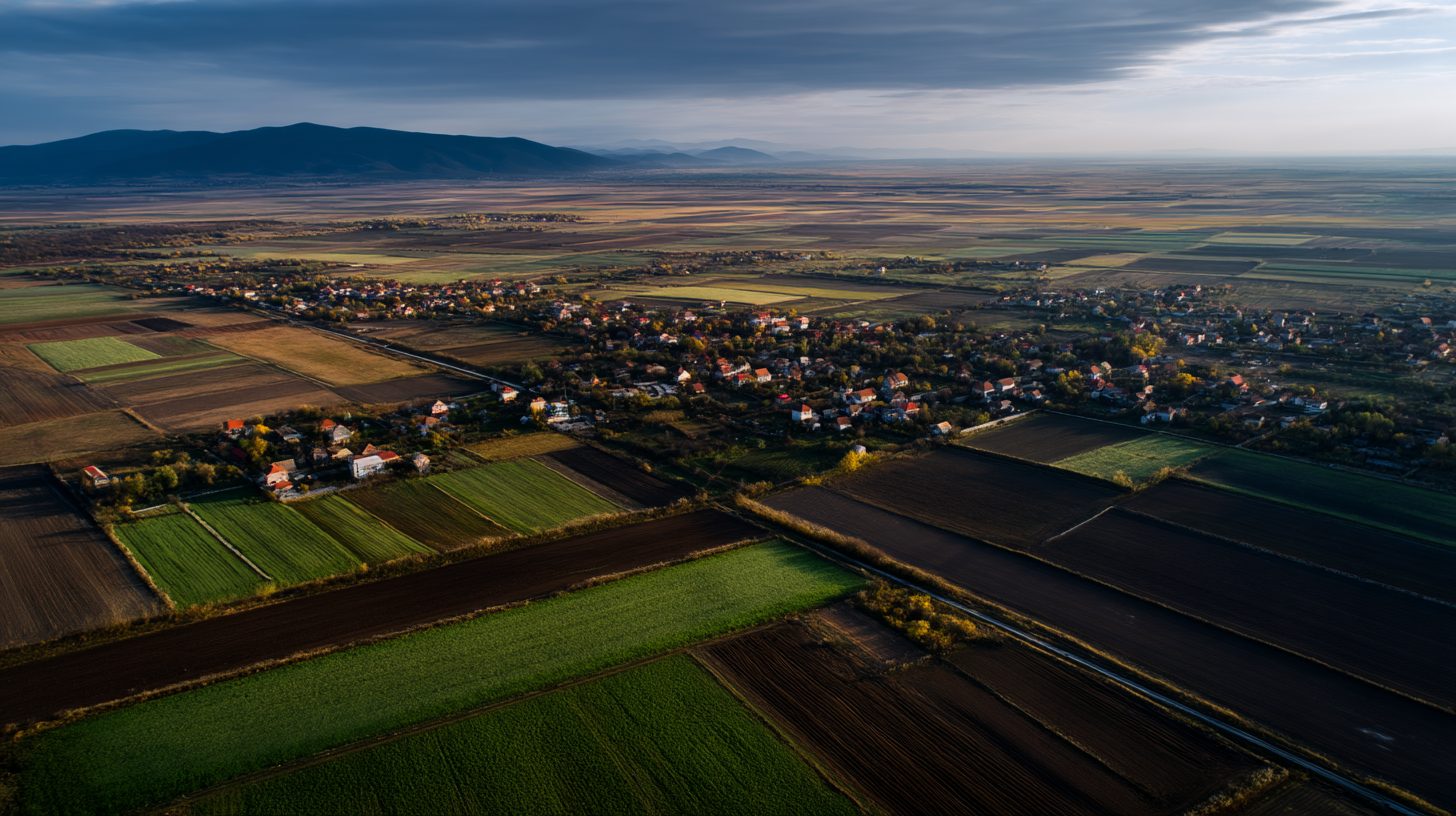
Topography is another critical geographic factor. Ideal solar development land should ideally have a slope of less than 5 degrees. Steeply sloping terrain not only complicates installation but can also lead to increased shading and inefficiency. Flat or gently sloping landscapes provide ample opportunity for solar arrays while ensuring easy maintenance access.
Additionally, the proximity to existing electrical infrastructure enhances the land’s suitability for solar farm development. Identifying parcels of land close to substations or grid connection points reduces the costs associated with energy transmission, making the project more economically viable.
Legal Considerations and Land Use Regulations
In Romania, legal considerations are paramount when identifying land for solar farm development. Land ownership and zoning laws heavily dictate whether a parcel is viable for solar projects. Developers must conduct thorough due diligence to confirm land ownership and any encumbrances hindering development.
Land classified as agricultural, residential, or commercial may have different regulations associated with solar farm development. Developers should seek land designated for industrial purposes or areas where renewable energy projects are explicitly permitted. Engaging with local authorities can clarify zoning restrictions and expedite the permitting process.
The Romanian legislative framework has been evolving to incentivize renewable energy projects, providing feed-in tariffs and green certificates. Understanding residency rules and land-use planning policies will enhance your project’s compliance trajectory and improve interactions with regulatory agencies.
Environmental Considerations
In addition to legal factors, environmental considerations are significant. Conducting an environmental impact assessment (EIA) can help in ascertaining whether solar farm development will adversely affect local ecosystems. Romania is home to diverse biodiversity, especially in rural regions; thus, avoiding environmentally sensitive areas is crucial.
Developers should prioritize land that minimizes the potential for habitat disruption, opting for sites that have already been disturbed or developed rather than pristine ecosystems. Utilizing brownfield sites or repurposing disused industrial areas can be an effective strategy for solar farm development while promoting environmental sustainability.
Economic and Market Viability
Once geographic, legal, and environmental factors have been examined, evaluating economic and market conditions is essential. The cost of land acquisition and development varies widely across Romania, influenced by location, land type, and proximity to infrastructure. Conducting a cost-benefit analysis can help in deciding whether to purchase or lease land for solar farm development.
Assess the local market conditions and demand for renewable energy. Romania has been increasing its renewable energy share in recent years, leading to competition among solar developers. Understanding the regional energy market and potential off-takers can inform your decisions on land selection and project financing.
Partnerships with local organizations or renewable energy companies can also provide insights into securing favorable land acquisition terms. Such partnerships can facilitate smoother navigation through regulatory hurdles, ensuring a more cohesive approach to project development.
Community Engagement and Social Acceptance
Involving local communities in the planning process of solar farms can significantly impact the success of a project. Engaging with local stakeholders informs them about the benefits of renewable energy. This approach can foster social acceptance, mitigate potential opposition, and ensure a harmonious relationship between the developers and the communities.
Organizing public consultations and meetings can provide valuable feedback on community needs and concerns, allowing for the design of inclusive solar projects that address them. Community engagement not only helps alleviate opposition but can also pave the way for potential partnerships that enhance project sustainability.
Utilizing Professional Services
Given the complexities of identifying suitable land for solar farm development in Romania, utilizing professional services may be wise. Engaging local real estate agents, land planners, legal advisors, and environmental consultants can streamline the identification process. These experts can assist in navigating legal frameworks, understanding market dynamics, and conducting essential environmental assessments.
Additionally, aerial surveys, satellite imagery analysis, and solar potential mapping can provide developers with critical insights, ensuring the land selected meets all prerequisites of solar farm development.
Conclusion
Identifying land suitable for solar farm development in Romania involves a multifaceted approach that integrates geographic, legal, environmental, economic, and social factors. By thoroughly analyzing these considerations and leveraging professional services, developers can make informed decisions that minimize risks and maximize the potential for success. As Romania continues to expand its renewable energy landscape, the suitable identification of land for solar projects will undoubtedly contribute to a greener and more sustainable future for the country. Prioritizing solar farm development land in Romania offers both economic opportunities and a path toward a cleaner energy matrix in Eastern Europe.
Interested in Land Investment in Romania?
We specialize in high-yield land and property opportunities for serious investors.
VIEW OUR CURRENT PORTFOLIOSecure your investment with Land For Investors.

Published: April 15, 2025