

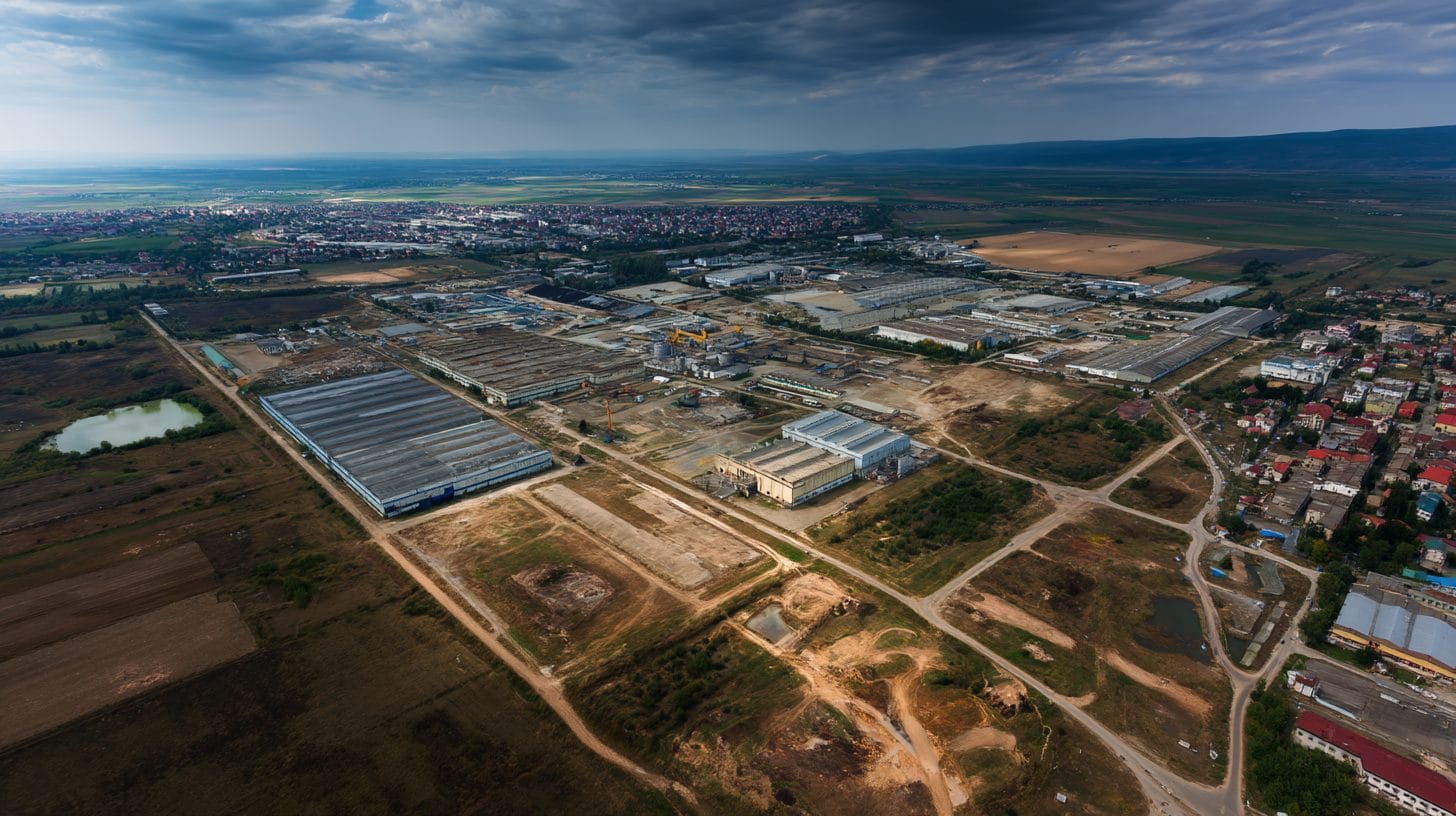
How to Finance a Multi-Unit Investment in Bucharest
Bucharest is rapidly establishing itself as an attractive destination for real estate investment, particularly in the multi-unit sector. As the capital of Romania, it boasts a growing economy, an expanding population, and increasing demand for rental properties. If you are considering how to finance a multi-unit investment in Bucharest, this comprehensive guide will help you navigate the complexities of financing options, market trends, and best practices to ensure your investment is both profitable and sustainable.
Understanding the Bucharest Real Estate Market
Before diving into financing strategies, it’s crucial to understand the current state of the Bucharest real estate market. Recent years have seen a surge in property prices due to a thriving economy and foreign investment. The demand for rental properties has also increased, driven by a young, mobile workforce and an influx of expatriates. As a result, investing in multi-unit properties—such as apartment buildings or condominiums—can yield attractive returns if done correctly.
Assessing Your Investment Goals
The first step in financing a multi-unit investment in Bucharest is to assess your investment goals. Consider the following questions:
1. What is your target return on investment (ROI)?
2. How long do you plan to hold the property?
3. Are you looking for immediate cash flow, long-term appreciation, or both?
4. What type of financing options are you comfortable with?
Having a clear understanding of your investment goals will help determine your financing strategy and guide you toward making informed decisions throughout the process.
Financing Options for Multi-Unit Investments
Several financing options are available to investors looking to finance multi-unit investments in Bucharest. Each option has its advantages and disadvantages, depending on your goals, creditworthiness, and risk tolerance.
1. Traditional Mortgages
Traditional mortgages are one of the most common ways to finance real estate investments. Romanian banks offer various mortgage products, including fixed-rate and variable-rate loans. When applying for a mortgage, investors typically need to provide a down payment, which can range from 15% to 30% of the property’s purchase price.
Before applying for a mortgage, you should compare different lenders and their terms, including interest rates, repayment periods, and associated fees. A lower interest rate can significantly impact your overall investment costs and potential ROI.
2. Investment Partnerships
Another financing avenue is entering into an investment partnership with other individuals or entities. By pooling resources, investors can acquire more significant properties that may otherwise be out of reach. Investment partnerships can take various forms, including limited partnerships or joint ventures.
This approach allows you to share risk, reduce the amount of capital required from each partner, and leverage the expertise of others in the real estate market. However, clear communication and legal agreements are essential to ensure that all parties are aligned and understand their responsibilities.
3. Private Investors and Crowdfunding
For those unable to secure traditional financing, private investors or crowdfunding platforms can be viable alternatives. These channels allow individuals to gather funds from multiple sources, providing the necessary capital to purchase multi-unit properties.
When using private investors, it’s crucial to establish clear terms regarding profit-sharing, management responsibilities, and exit strategies. Crowdfunding platforms often have their structures and fees, so thorough due diligence is necessary.
4. Government Programs and Grants
Romania has implemented several government programs aimed at stimulating investment in the housing market. These initiatives may include grants, subsidies, or low-interest loans for purchasing or renovating multi-unit properties. Staying informed about available programs can provide significant advantages and reduce your investment costs.
5. Home Equity Loans
If you already own property in Bucharest or elsewhere, leveraging the equity in your home can be an effective financing strategy. Home equity loans or lines of credit allow you to borrow against the equity you have built, providing funds for purchasing or improving your multi-unit investment.
While this option can yield low-interest financing, it is critical to consider the risks involved, as your primary residence could be at stake if you cannot make the loan payments.
Conducting a Feasibility Analysis
Before finalizing your financing option, conducting a feasibility analysis is crucial to gauge the potential profitability of your multi-unit investment. This analysis should include:
1. Property Valuation: Determine the fair market value of the property you are considering, factoring in its location, amenities, and condition.
2. Cash Flow Projections: Estimate rental income based on current market rates and occupancy levels. Deduct operating expenses, such as property management fees, taxes, maintenance, and insurance, to project net operating income (NOI).
3. Breakeven Analysis: Calculate the breakeven point for your investment, determining how long it will take to recoup your initial investment after covering all costs.
4. Market Trends: Analyze current trends in the Bucharest real estate market, considering fluctuations in rental prices, occupancy rates, and demand for multi-unit properties.
Understanding these components can help you make informed financing decisions to ensure your investment stands the best chance of success.
Engaging Real Estate Professionals
Navigating the complexities of financing a multi-unit investment in Bucharest can be daunting, especially for first-time investors. Engaging real estate professionals, such as agents, property managers, and financial advisors, can provide invaluable insights and guidance throughout the process.
A knowledgeable real estate agent can help identify suitable properties in prime locations, negotiate favorable terms, and provide invaluable local market knowledge. A property manager can assist with tenant relations, property maintenance, and ensuring profitability, while a financial advisor can offer guidance on the best financing strategies and tax implications associated with your investment.
Final Thoughts on Financing a Multi-Unit Investment in Bucharest
Financing a multi-unit investment in Bucharest requires a thorough understanding of the local market, a clear assessment of your investment goals, and a comprehensive approach to exploring available financing options. By carefully evaluating the potential of each investment, conducting a feasibility analysis, and seeking guidance from real estate professionals, you can increase the likelihood of success in this dynamic and evolving market.
Investing in multi-unit properties in Bucharest presents exciting opportunities, but it is vital to approach the process with diligence and sound strategies. With the right preparation and resources, you can make informed decisions and build a profitable portfolio in this thriving real estate market.
Interested in Land Investment in Romania?
We specialize in high-yield land and property opportunities for serious investors.
VIEW OUR CURRENT PORTFOLIOSecure your investment with Land For Investors.

Published: February 18, 2025