

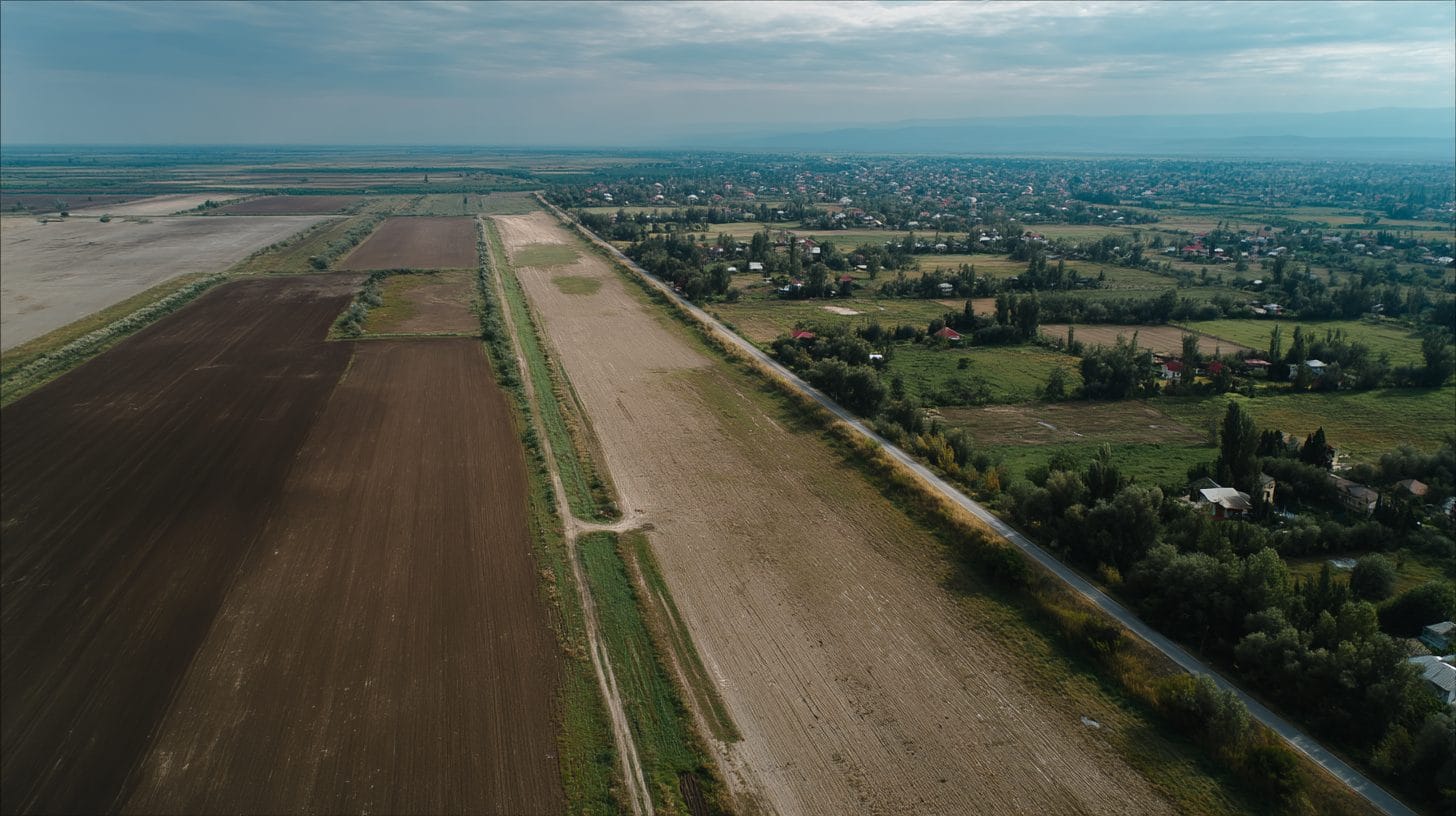
How to Evaluate the Resale Potential of Land in Romania
When considering an investment in land, one of the foremost concerns for savvy investors is understanding the resale potential of that land. With Romania’s rapidly growing economy and increasing foreign interest, evaluating the resale potential of land in Romania has unique considerations. This article will provide a comprehensive guide that will help you navigate the complexities of this process.
Understanding the Market Dynamics
To effectively evaluate the resale potential of land in Romania, it is crucial to comprehend the broader market dynamics at play. The Romanian real estate market has undergone significant changes in recent years, driven by economic growth, increased foreign investment, and infrastructure improvements. To gauge the resale potential of land in Romania, you should start by analyzing market trends, such as average land prices in various regions, the demand and supply metrics, and the overall economic climate.
Identifying the Location
Location is a vital factor in determining the resale potential of land. In Romania, urban areas such as Bucharest, Cluj-Napoca, and Timișoara are experiencing significant growth, which directly impacts land values. When evaluating the resale potential of land, consider the following:
1. Urban vs. Rural: Urban areas generally yield higher resale values than rural locations due to increased demand for housing, commercial establishments, and infrastructure development. Consider the local city’s growth trajectory, investment opportunities, and future projects.
2. Proximity to Infrastructure: Land that is near essential infrastructure such as schools, hospitals, public transport, and major roadways tends to have a higher resale potential. If the land is situated in an area targeted for future development—such as new commercial centers or transportation hubs—this could also signal strong resale possibilities.
3. Community Development Plans: Research local government plans and initiatives. If the area is poised for development due to new parks, residential complexes, or business districts, this is an excellent indicator of increasing land value.
Assessing Zoning Regulations
Zoning laws significantly influence the resale potential of land in Romania. Land designated for residential or commercial use typically presents greater opportunities for profitability. Understanding how zoning affects what can be built on your land is essential for any potential resale.
1. Existing Zoning Regulations: Familiarize yourself with current zoning classifications and determine if the land can be used for desirable developments. If the land is currently zoned for agricultural use but has potential for re-zoning into residential or commercial, this increase in value will enhance your resale potential.
2. Future Zoning Changes: Stay updated on discussions within local governments about potential changes to zoning regulations. Changes in zoning can drastically alter land value, either positively or negatively.
Land Characteristics
Beyond location and zoning regulations, the land’s physical characteristics also play a pivotal role in determining resale potential.
1. Size and Shape of Land: The ideal land for resale has a regular shape that allows for multiple uses and greater appeal. Irregularly shaped parcels might be harder to develop, affecting their resale value.
2. Topography and Soil Quality: Land topography can influence its usability for construction or agriculture. Investors should examine soil quality, drainage, and elevation to assess whether the land is suitable for building or other purposes.
3. Environmental Concerns: Determine if there are any environmental restrictions that might limit the use of a property for future developments, including protected areas, flood zones, or contamination issues. Issues related to land use can decrease resale potential.
Legal Considerations
In Romania, the legal framework surrounding land ownership is complex, and legal discrepancies can significantly affect resale potential.
1. Land Title and Ownership: Always ensure that the land’s title is clear and free of disputes. Verify ownership details and any existing easements or liens that could complicate a future sale.
2. Compliance with Local Laws: Ensure that all documentation required by the Romanian government, including taxes and permits, is in order. Non-compliance can hinder your ability to resell the land efficiently or profitably.
Market Trends and Timing
Market conditions are dynamic and can change rapidly. Understanding timing in relation to market trends is integral to evaluating resale potential.
1. Economic Factors: Keep an eye on Romania’s economical indicators, including GDP growth, employment rates, and consumer confidence. Positive economic conditions can increase demand for land, subsequently raising its resale value.
2. Seasonal Fluctuations: Real estate purchasing behaviors often follow seasonal trends. Awareness of the best times for selling is key; spring and summer often yield more buyers, while winter can lead to slower sales.
Conducting Comparable Market Analysis
One effective approach for determining the resale potential of land is by conducting a comparable market analysis (CMA). This involves comparing your land to similar properties that have recently been sold in the area.
1. Recent Sales Data: Investigate recent sales and the prices received for similar types of land. Public records can provide valuable insights into land valuations and historical price trends.
2. Market Comparatives: Analyze additional factors, such as the size, location, and zoning laws, of the comparable properties to establish benchmarks for your land’s resale potential.
Engaging with Real Estate Professionals
Navigating the complexities of the Romanian land market can be challenging, and hiring local real estate professionals can assist in providing valuable insights.
1. Real Estate Agents: An experienced local real estate agent can offer market knowledge, help with negotiations, and connect you with potential buyers. Their expertise will be invaluable for evaluating resale potential.
2. Legal and Financial Advisors: It’s also advisable to engage with legal and financial advisors who specialize in real estate transactions. They can help clarify legal obligations and financial forecasts, ensuring that you’re making a sound investment.
Developing a Marketing Strategy
Once you’ve established a positive evaluation of the land’s resale potential, it’s essential to develop a targeted marketing strategy.
1. Highlighting Unique Features: Make sure to communicate the distinct advantages of your land when marketing it, focusing on location, zoning, and future potential developments.
2. Utilizing Online Platforms: Use real estate platforms and social media to market the land effectively. Many buyers begin their property search online, so having an effective digital presence is vital for visibility.
In conclusion, evaluating the resale potential of land in Romania involves a multifaceted approach that considers market dynamics, location, zoning regulations, legal factors, and economic conditions. By conducting thorough research, engaging with professionals, and developing effective marketing strategies, you can increase your chances of making a profitable investment in Romanian land. Understanding these complexities is not only key for investment success but will also empower you as an informed participant in Romania’s growing real estate landscape.
Interested in Land Investment in Romania?
We specialize in high-yield land and property opportunities for serious investors.
VIEW OUR CURRENT PORTFOLIOSecure your investment with Land For Investors.

Published: April 12, 2025