

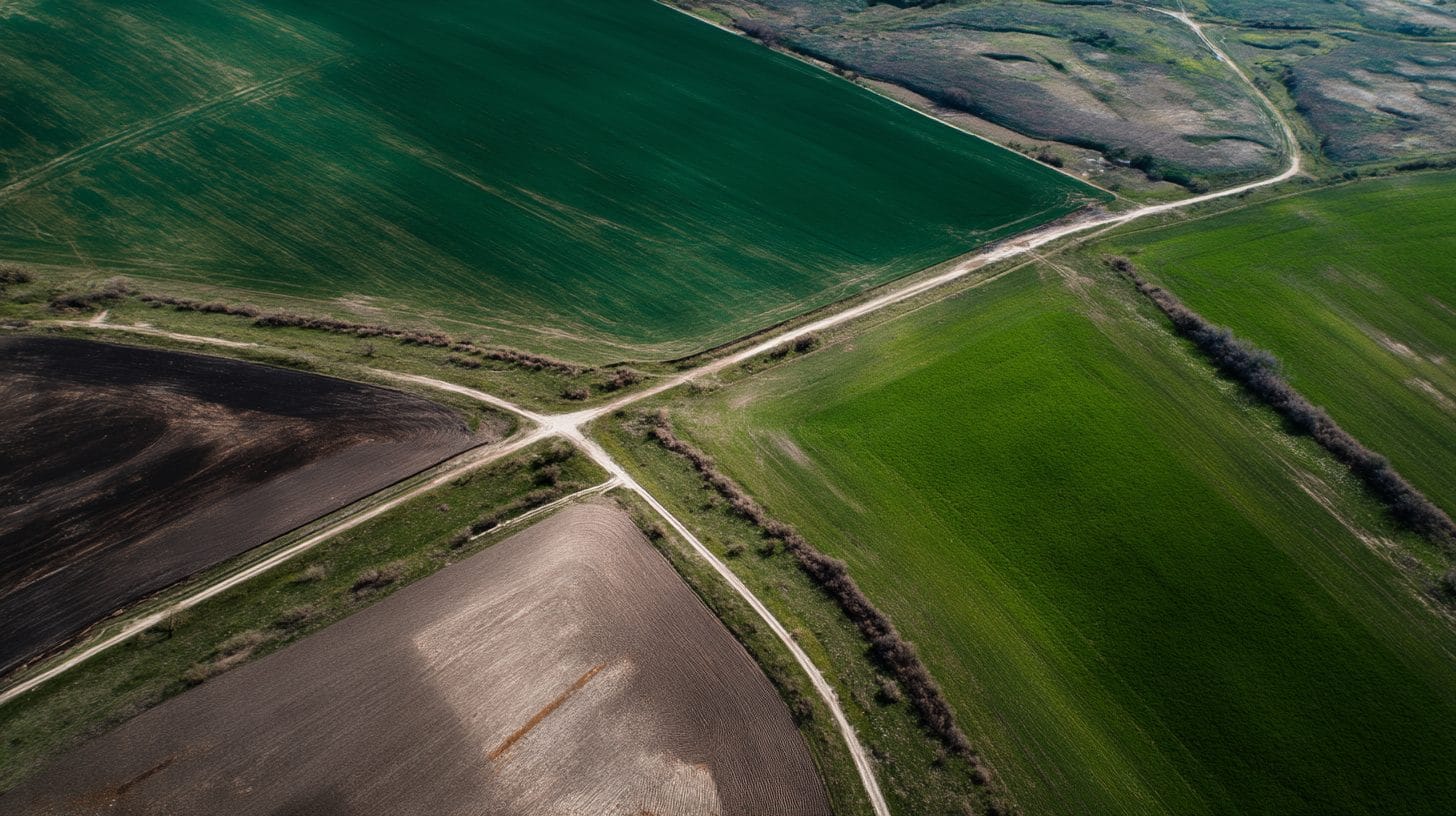
How to Evaluate the Potential of Raw Land in Romania
Investing in raw land presents a unique opportunity for individuals and businesses alike, especially in a diverse and rapidly evolving market like Romania. The country’s land market has gained increasing attention due to various factors, including its picturesque landscapes, agricultural potential, and the ongoing urbanization of cities. However, to confidently evaluate raw land in Romania, it is essential to conduct a comprehensive analysis that considers several important aspects.
Understanding the Romanian Land Market
The first step in evaluating raw land in Romania is understanding the broader context of the land market. Romania is characterized by diverse geographical regions, which yield varying opportunities for land development and investment. Factors such as location, accessibility, and surrounding infrastructure all play a crucial role in determining the potential of a specific piece of raw land. Familiarity with the local market conditions, zoning regulations, and historical land appreciation trends will also equip potential investors with the necessary insights to make informed decisions.
Key Factors for Evaluating Raw Land in Romania
1. Location: The adage “location, location, location” is particularly relevant when evaluating raw land in Romania. Urban areas like Bucharest, Cluj-Napoca, and Timișoara offer different investment potential compared to rural areas. Proximity to key infrastructure, including roads, rail networks, and airports, further influences land value and potential use. Assessing neighboring properties and the overall growth of the area will provide insights into the future appreciation potential of the land.
2. Zoning and Land Use Regulations: Zoning laws govern how land can be used and developed. In Romania, land use regulations can vary significantly between municipalities. Potential investors should thoroughly research zoning regulations in the area and verify that the intended use aligns with local prescriptive plans. Understanding regulations regarding building permits, agricultural use, or commercial development is crucial to avoid potential legal issues or investment missteps.
3. Land Characteristics: The inherent characteristics of the land itself must also be assessed. Evaluating topography, soil quality, water availability, and drainage capabilities can significantly impact the land’s usability for different purposes, including agricultural endeavors or construction. For instance, cultivated farmland can have different potential than forested or hilly areas. A professional land surveyor can provide valuable insights into the technical aspects of the land.
4. Environmental Considerations: A comprehensive evaluation of raw land in Romania must include environmental assessments. Investors should investigate how environmental factors may influence development potential. Areas prone to natural disasters, such as flooding or landslides, may pose risks and affect usability. Furthermore, any existing environmental restrictions or protected areas must be thoroughly researched to ensure compliance with legal standards.
5. Market Demand: Analyzing demand trends in the specific area is vital for evaluating land viability. Are there upcoming projects or community developments that suggest growth? Is there increasing interest in hospitality, agriculture, or residential development in the region? Understanding local market demand can help investors gauge the potential return on investment. This may involve reviewing municipal plans, future infrastructure projects, or demographic trends.
6. Price Comparisons: Once potential factors have been analyzed, it’s critical to compare pricing data against similar properties in the area. A comparative market analysis can provide clarity on whether a piece of raw land is priced fairly. Researching recent sales or asking prices of similar parcels will help contextualize the asking price and identify potential risks or advantages.
7. Access and Infrastructure: The accessibility of the land significantly influences its potential use. Investigating road access, transportation options, and availability of utilities such as water and electricity will allow investors to assess whether the land can be effectively used for intended projects. Limited access may severely restrict development potential, resulting in a less attractive investment.
8. Economic Viability: Finally, evaluating the macroeconomic situations can yield important insights into land investment viability. Romania, as a member of the European Union, offers investors stability and access to various funding options. Understanding the economic trends affecting the region – from employment rates to GDP growth – will provide context to the assets being evaluated.
Final Thoughts
Evaluating raw land in Romania requires thorough research, attention to detail, and a long-term perspective. By methodically considering factors such as location, zoning regulations, land characteristics, environmental concerns, market demand, price comparisons, access to infrastructure, and overall economic viability, potential investors can make informed decisions regarding their land investments.
Investing in raw land can be complex and nuanced, but with a strategic approach to evaluating raw land in Romania, investors can unlock valuable opportunities in this transforming market landscape. Thorough due diligence and a comprehensive understanding of both the local and macroeconomic environment will enhance the likelihood of making sound investment decisions.
In conclusion, the potential of raw land in Romania is vast, but it is only through diligent evaluation that an investor can navigate this intriguing real estate sector with confidence. Whether targeting agricultural land, residential plots, or commercial opportunities, a well-structured evaluation process is essential for optimizing investment success in the Romanian land market.
Interested in Land Investment in Romania?
We specialize in high-yield land and property opportunities for serious investors.
VIEW OUR CURRENT PORTFOLIOSecure your investment with Land For Investors.

Published: April 11, 2025