

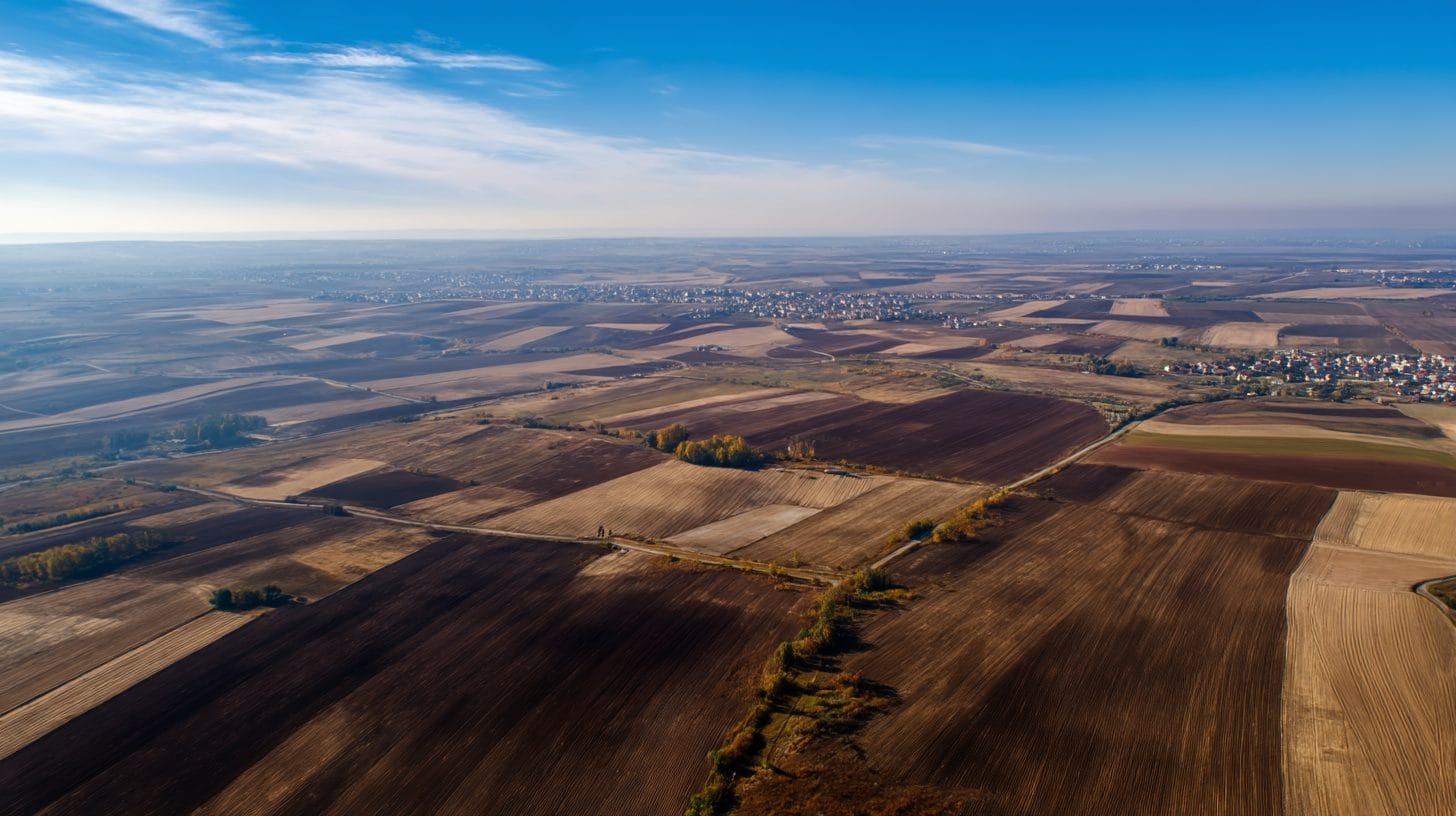
Title: How to Evaluate the Long-Term Potential of Romanian Real Estate Investments
As globalization accelerates and investment opportunities expand, real estate in Romania has emerged as an attractive option, particularly for foreign investors. The continuous economic growth, increasing urbanization, and evolving legal frameworks make Romanian real estate ripe for consideration. However, understanding the long-term potential of Romanian real estate investments is crucial for foreign investors aiming to make informed decisions. This comprehensive guide aims to deliver insight into how to evaluate this long-term potential effectively.
One of the first steps in evaluating the long-term potential of Romanian real estate investments is to conduct a thorough market analysis. Understanding the economic landscape of Romania is essential. The country has seen significant progress since its European Union accession in 2007, transitioning from a post-communist economy to a rapidly growing market. Key indicators such as GDP growth, employment rates, and inflation often reveal the broader economic health that directly impacts real estate value. It is essential to research various reports and statistics published by organizations like the National Institute of Statistics in Romania and various international economic agencies.
Foreign investors should pay close attention to Romania’s urbanization trends. A growing urban population often correlates with increased demand for housing, infrastructure, and commercial real estate. Major cities such as Bucharest, Cluj-Napoca, and Timișoara are experiencing substantial demographic shifts, leading to growing real estate markets. Urbanization not only drives demand but can also affect the resale potential of real estate, making it critical for foreign investors to focus on growth areas and emerging neighborhoods.
Regulatory factors also play a significant role in assessing the long-term potential of Romanian real estate investments. It is imperative to stay updated on property laws, taxation policies, and ownership rights in Romania. Foreign investors should familiarize themselves with legal frameworks governing real estate transactions, including property rights for foreigners and taxation regulations. Romania offers significant incentives for foreign investors, including lower tax rates on certain types of properties and favorable investment policies. Consulting with legal professionals who specialize in Romanian real estate can provide a clearer view of the regulatory environment.
Another critical aspect to consider is the infrastructural development in Romania. Investments in transport systems, road networks, and public facilities can significantly impact property value. The Romanian government’s focus on developing transport infrastructure, including expanding highways and improving public transport systems, enhances connectivity and accessibility, further increasing the investment allure. Evaluating current infrastructure projects and future government plans is essential for gauging the long-term viability of property investments in specific areas.
Market trends, including appreciation rates and rental yields, provide concrete data to help gauge the long-term potential of Romanian real estate investments. It is wise to analyze past market performance and outreach to local agents for insights. Understanding the rental market’s strength can also indicate future price trends. A robust rental market suggests steady demand, leading to potential long-term capital appreciation. Rental yields can vary significantly based on location and property type, making it essential to conduct thorough research on specific neighborhoods before making an investment.
Additionally, foreign investors should evaluate the competitive landscape in the Romanian real estate market. Identifying potential competitors, whether local or foreign, can help assess the viability of an investment. Understanding the strategies employed by successful competitors can provide insight into effective methodologies for property management and client outreach. Analyzing competitor portfolios can help investors identify market gaps and opportunities for innovation or differentiation.
The socio-economic factors surrounding potential investments are also vital. Understanding the demographics of a location—such as age, income levels, and education—affect both demand for housing and commercial spaces. A younger, professional demographic may indicate a higher demand for rental properties, while an aging population might skew towards retirement homes or real estate investment trusts (REITs). Identifying socio-economic patterns provides significant clues about the future desirability of a location.
Moreover, the global context for foreign investments must be considered. Currency fluctuations, international economic trends, and geopolitical developments can have ripple effects on real estate markets. Investors should evaluate how global factors may influence the Romanian economy and, hence, real estate investments. Engaging in risk assessment strategies and diversifying investment portfolios can mitigate potential losses due to unforeseen global scenarios.
Sustainability and environmental considerations are increasingly becoming pivotal in real estate investments. Investing in properties that meet sustainable development goals can not only enhance the long-term potential of investments but also align with global trends towards greener living. Evaluate properties in Romania that are energy-efficient, use sustainable materials, or are in line with government sustainability initiatives.
As a final step, conducting risk assessments is essential in encapsulating the long-term potential of Romanian real estate investments. Real estate investments carry inherent risks, including market fluctuations, tenant default, and property maintenance costs. Analyzing these risks comprehensively, establishing contingency plans, and developing financial projections will allow foreign investors to build resilience against potential downturns.
In conclusion, evaluating the long-term potential of Romanian real estate investments requires a multi-faceted approach. Foreign investors must engage in thorough market analysis, understand regulatory frameworks, monitor infrastructural developments, assess market trends, and account for socio-economic and competitive dynamics. Furthermore, a clear awareness of global influences, sustainability trends, and effective risk management strategies are paramount to making informed investment decisions. With the right knowledge and tools, foreign investors can unlock the lucrative long-term potential of Romanian real estate, paving the way for successful investment opportunities in this vibrant market.
Interested in Land Investment in Romania?
We specialize in high-yield land and property opportunities for serious investors.
VIEW OUR CURRENT PORTFOLIOSecure your investment with Land For Investors.

Published: March 26, 2025