

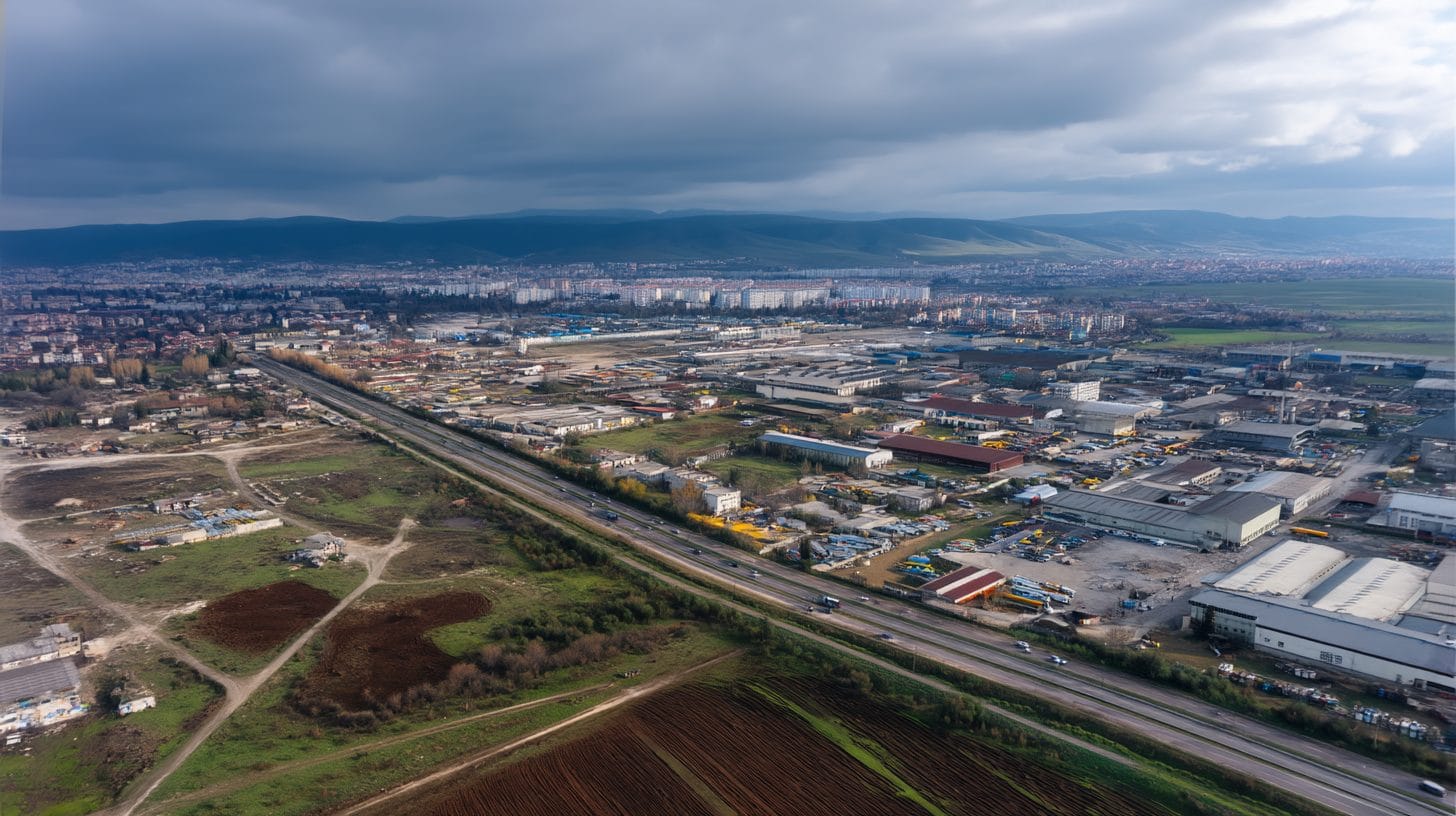
How to Evaluate the Impact of Urban Sprawl on Land Prices Near Bucharest
Urban sprawl has emerged as a significant phenomenon impacting cities around the world, particularly in rapidly developing regions. In Romania, the capital city of Bucharest serves as a focal point for studying urban expansion, offering an invaluable lens into the effects of urban sprawl on land prices. This article provides a comprehensive overview of evaluating the impact of urban sprawl on land prices near Bucharest, further emphasizing the relevance of the topic in the context of urban development.
Understanding Urban Sprawl
Urban sprawl refers to the uncontrolled and unplanned expansion of urban areas into surrounding rural land. This phenomenon is characterized by low-density development, increased reliance on automobiles, and often results in the fragmentation of landscapes. In Bucharest, urban sprawl has been influenced by various factors such as population growth, economic development, and changes in lifestyle preferences. With high urbanization rates, understanding the sprawl effect becomes crucial, especially regarding its consequences on land prices.
Identifying Key Factors Influencing Urban Sprawl
To evaluate the impact of urban sprawl on land prices near Bucharest, the first step is to comprehend the primary factors that drive urban expansion. These include population growth, economic opportunities, infrastructure development, accessibility to transportation systems, and zoning regulations.
– Population Growth: Bucharest has experienced significant population growth over the past two decades, leading to increased demand for housing in suburban areas. As the city expands, potential buyers seek more affordable land further from the urban center.
– Economic Opportunities: The availability of jobs and business ventures in suburban areas attracts individuals and families seeking better employment prospects. This influx increases demand for land and housing in these regions, ultimately driving up prices.
– Infrastructure Development: The development of transportation infrastructure, such as roads, highways, and public transport systems, makes distant areas more accessible. Improved connectivity enhances the attractiveness of these regions for potential residents and investors.
– Accessibility: Areas that boast good transportation links to the core city are more desirable, and consequently, land prices are likely to rise in proximity to these areas.
– Zoning Regulations: Local government zoning laws can either facilitate or hinder urban sprawl, consequently affecting land prices. Changes in land-use policies often impact the amount of developable land, which can lead to increased demand and higher prices.
Gathering Data for Analysis
Once the driving factors are understood, the next step in evaluating the urban sprawl impact on land prices in Bucharest involves collecting and analyzing relevant data. This data should include historical land prices, demographic trends, local economic indicators, and geographical attributes.
– Historical Land Prices: Examining historical real estate transactions can provide insights into price trends over time. Utilizing data from local real estate agencies, government records, or property websites can facilitate this analysis.
– Demographic Trends: Understanding population changes, such as migration rates and shifts in household size, can help assess the demand for land in urban areas. Data from national statistical agencies and municipal offices can aid in uncovering demographic trends.
– Economic Indicators: Analyze pertinent economic indicators, such as employment rates and GDP growth, to evaluate their relationship with land prices. Higher economic prospects generally correlate with increased land demand and value.
– Geographical Attributes: Employ geographic information systems (GIS) to map land prices in relation to key urban sprawl drivers. Understanding how geographic location influences land prices near Bucharest is essential in determining the impact of urban sprawl.
Analyzing the Impact of Urban Sprawl
The analysis phase entails several methodologies that can reveal the correlation between urban sprawl and land prices. Key approaches include regression analysis, comparative market analysis, and case studies.
– Regression Analysis: This statistical method helps determine the relationship between land prices (dependent variable) and various independent factors that drive urban sprawl. By conducting a multivariate regression analysis, one can quantify the influence of each factor on land price fluctuations.
– Comparative Market Analysis: By comparing land prices in sprawling urban areas versus city centers, one can assess the impact of urban sprawl on property values. This comparative approach identifies how urban sprawl alters the perception of value and market demand.
– Case Studies: Investigating specific neighborhoods that exemplify the impact of urban sprawl enables a more nuanced understanding. By examining qualitative data, such as resident testimonials and local development plans, researchers can characterize the broader implications of urban sprawl on land prices.
Forecasting Future Trends
While evaluating the current impact of urban sprawl on land prices near Bucharest, it is also essential to predict future trends. The complexity of urban development dynamics requires careful consideration of several factors.
– Urban Policy and Planning: Future land prices will largely depend on urban planning policies. How municipalities address zoning, infrastructure development, and population growth will play a critical role in shaping future land values.
– Environmental Concerns: Environmental sustainability is becoming an increasingly crucial factor in urban planning. The prioritization of green spaces and conservation efforts will influence land desirability and, in turn, land prices in both urban and suburban areas.
– Economic Conditions: Continual assessment of economic conditions, such as labor market trends and investment patterns, will influence land prices. Economic resilience plays a significant role in sustaining urban expansion and price stability.
Conclusion
Evaluating the impact of urban sprawl on land prices near Bucharest is a multifaceted process that requires thorough data collection, rigorous analysis, and the ability to foresee future trends. As Bucharest continues to evolve, understanding the implications of urban sprawl on land prices can guide policymakers, investors, and urban planners in making informed decisions to create sustainable and accessible urban environments. By considering the driving factors, utilizing robust analytical methods, and remaining vigilant to the fluctuating economic landscape, stakeholders can better navigate the complexities associated with urban sprawl impact on land Bucharest. This knowledge, crucial for all sectors, can ensure effective strategies are developed to tackle the challenges posed by urban sprawl while maximizing the city’s potential for vibrant, sustainable growth.
Interested in Land Investment in Romania?
We specialize in high-yield land and property opportunities for serious investors.
VIEW OUR CURRENT PORTFOLIOSecure your investment with Land For Investors.

Published: March 16, 2025