

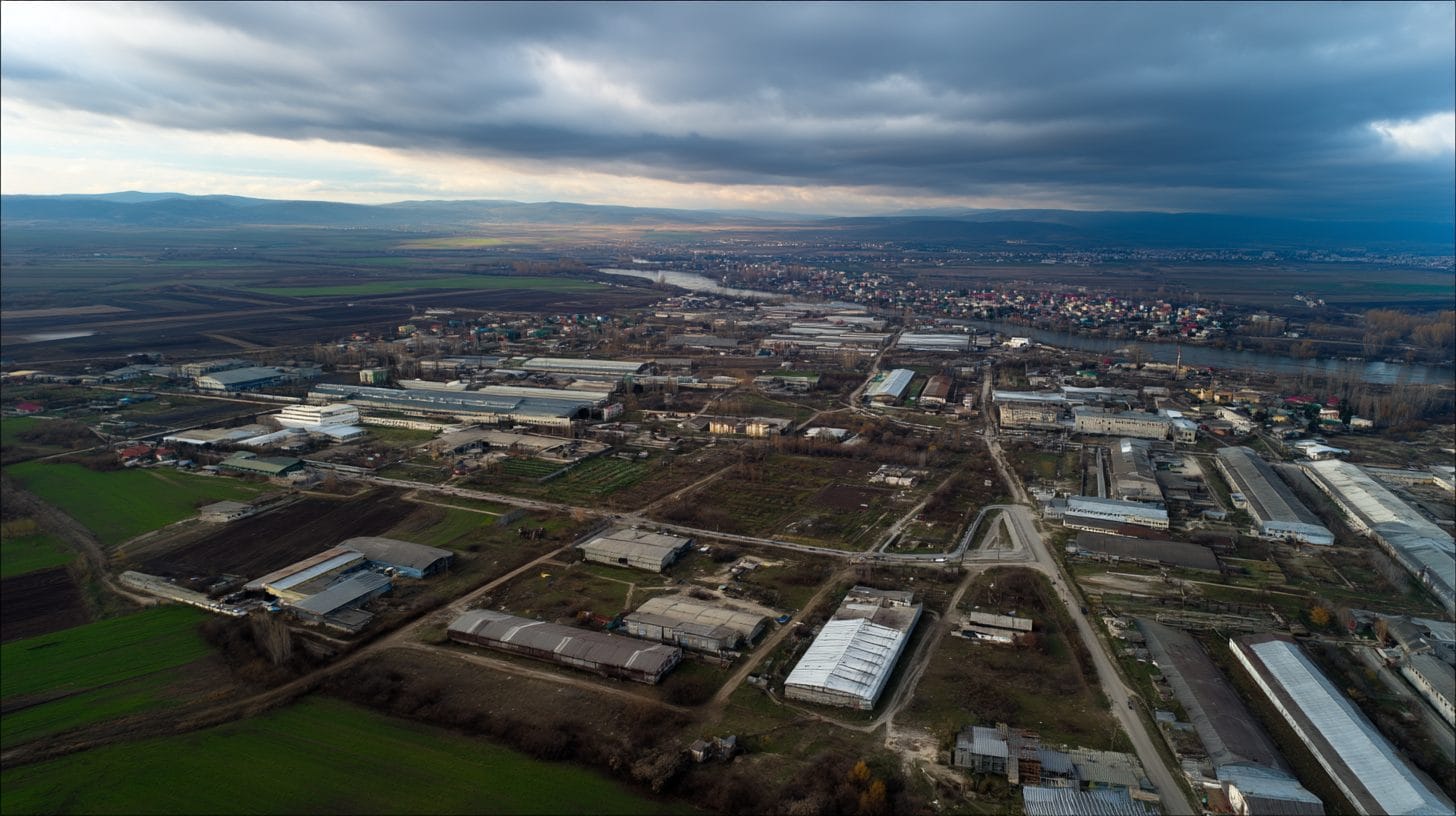
Urban renewal is a critical aspect of city development that involves the rehabilitation and revitalization of urban areas to foster economic growth, improve living conditions, and enhance overall community aesthetics. For towns and cities globally, including Bucharest, conducting effective evaluations of the impact of urban renewal initiatives on surrounding properties is essential. Understanding the urban renewal impact on properties near Bucharest can offer insights into market trends, property values, and community revitalization efforts.
First and foremost, it is essential to understand the definition and goals of urban renewal. Urban renewal typically aims to address various issues in urban environments, such as dilapidated infrastructure, low-quality housing, and high crime rates. In Bucharest, as in many metropolitan cities, urban renewal projects aim to create safer neighborhoods, increase property values, and attract new residents and businesses. Therefore, the urban renewal impact on properties in proximity to these projects becomes a crucial area of study for investors, policymakers, and urban planners alike.
To evaluate the urban renewal impact on properties near Bucharest, one must first consider the geographical context. Areas surrounding the city, which include both historically significant districts and emerging neighborhoods, are uniquely positioned to experience shifts in property values and community dynamics due to urban renewal initiatives. Notably, properties located within a closer radius to urban renewal projects are often subject to changes that differ significantly from those further away.
One of the most direct ways to assess the impact of urban renewal on properties near Bucharest is through property value analysis. Real estate data and market trends reveal how urban renewal can serve as a catalyst for increasing property values. Before and after evaluations of property appreciation rates can provide quantitative evidence of urban renewal’s impact. Analysts often use tools such as Comparative Market Analysis (CMA) to compare similar properties in proximity to urban renewal projects with those farther away to ascertain whether there is a statistically significant difference in value appreciation.
Demographic shifts are another significant indicator of the urban renewal impact on properties near Bucharest. Urban renewal can attract a new demographic to an area, which results in changes in demand for housing and local amenities. A shift in demographics – be it young professionals, families, or retirees – can further influence the overall character of the neighborhood and subsequently affect property values. Conducting a thorough demographic analysis involves reviewing census data and other demographic information, allowing stakeholders to project potential trends that may arise from urban renewal.
Next, analyzing the infrastructural developments and improvements that accompany urban renewal projects is crucial. Enhanced public transportation, the development of parks and green spaces, new commercial enterprises, and improved road systems all tend to follow urban renewal efforts. These factors significantly contribute to the desirability and convenience of living in properties near renewal projects. Surveys and interviews with residents can provide qualitative insights into how these infrastructural changes are perceived and the extent to which they influence property desirability.
Furthermore, urban renewal impact on properties near Bucharest can be closely monitored through studying rental trends. Areas directly affected by urban renewal often experience an uptick in rental prices as demand from prospective tenants increases. Longitudinal studies of rental rates and occupancy levels can offer valuable insight into the immediate economic impact of urban renewal initiatives. For property investors, understanding these trends can inform more strategic investment decisions.
In addition to quantitative and qualitative analyses, community feedback plays an integral role in evaluating urban renewal impact. Engaging with local residents and businesses can uncover perceptions related to safety, quality of life, and satisfaction with urban renewal at a grassroots level. Conducting focus groups and public forums can shed light on residents’ opinions about the changes and the overall impact on their properties.
Moreover, it is important to assess the social implications of urban renewal. Gentrification, a potential outcome of urban renewal, can lead to displacement of existing residents and changes in community dynamics. Evaluating whether urban renewal projects are fostering inclusivity or contributing to socioeconomic divides is essential for a comprehensive understanding of their impact on properties in the vicinity. Monitoring engagement with existing residents during the planning and implementation phases of urban renewal can help ensure that initiatives are equitable and considerate of the community’s diverse needs.
Additionally, planning policies and legislation implemented by local governments can potentially influence urban renewal impact on properties near Bucharest. Policies aimed at supporting affordable housing, mixed-use developments, or zoning laws can shape the effectiveness of urban renewal efforts and their ripple effect on surrounding properties. A thorough review of local governance strategies allows stakeholders to discern the extent to which these policies will address potential negative consequences and bolster positive outcomes.
Finally, the assessment of urban renewal’s impact on properties near Bucharest must be ongoing and dynamic. Real estate markets are susceptible to fluctuations influenced by various factors, including economic conditions, sociopolitical climates, and shifts in urban dynamics. Comprehensive evaluation metrics should be established to routinely measure the ongoing effects of urban renewal against a backdrop of changing market conditions.
In conclusion, the urban renewal impact on properties near Bucharest is a multifaceted consideration that requires a comprehensive framework for evaluation. By combining quantitative data analyses with qualitative feedback, understanding demographic changes, studying rental trends, and recognizing the socio-economic implications, stakeholders can gain valuable insight into how urban renewal initiatives influence property dynamics in the region. Moreover, recognizing the importance of policy implications further enriches this evaluation, ensuring that the urban renewal effort translates into sustainable growth and improvement for both existing residents and prospective homeowners. Whether you are a property investor, urban planner, or a resident, understanding these dynamics is vital for navigating the future of urban living in Bucharest.
Interested in Land Investment in Romania?
We specialize in high-yield land and property opportunities for serious investors.
VIEW OUR CURRENT PORTFOLIOSecure your investment with Land For Investors.

Published: April 25, 2025