

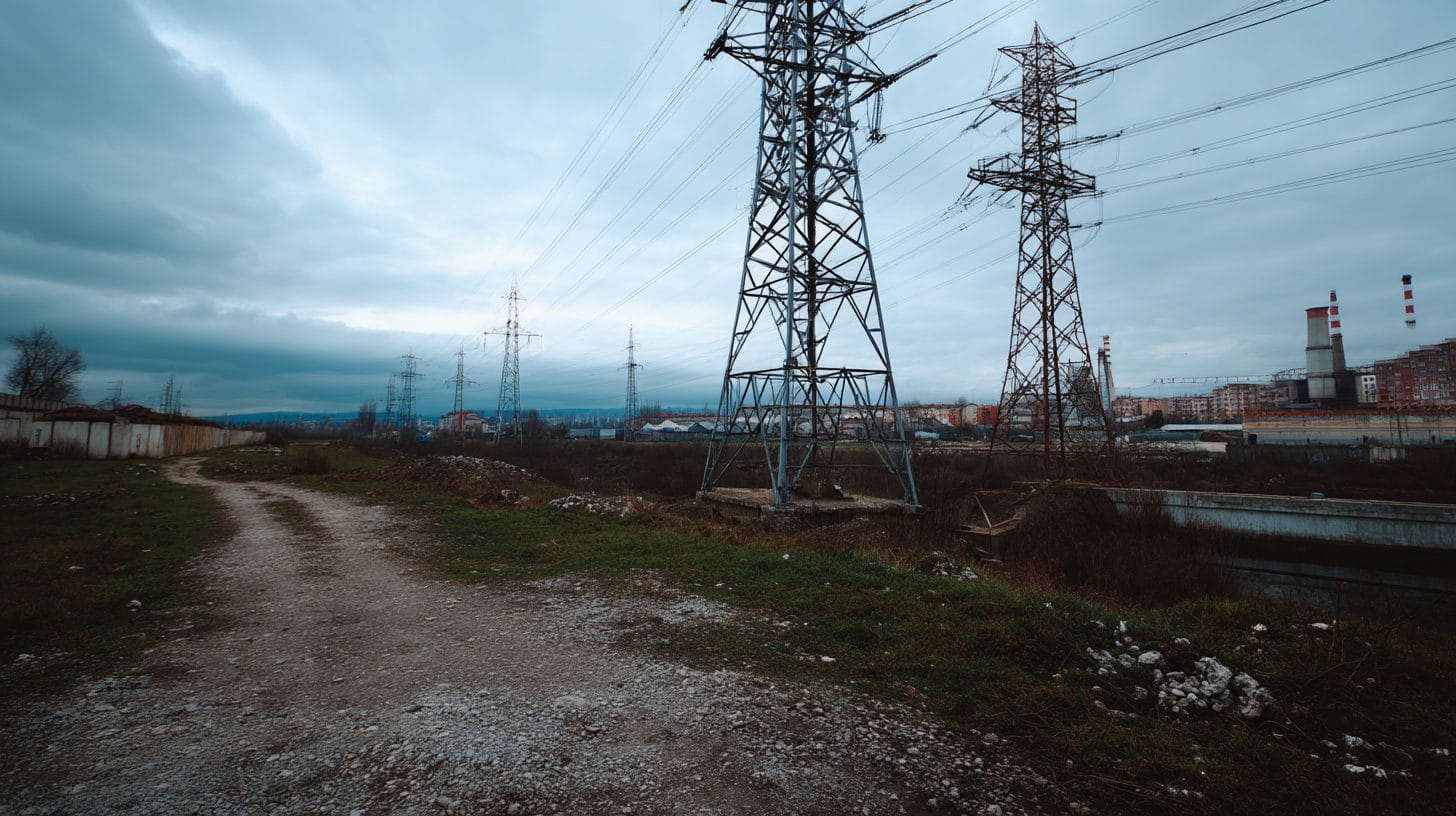
Title: How to Evaluate the Impact of Urban Regeneration on Bragadiru, Ilfov
Urban regeneration is a crucial process in the development of urban areas, particularly in regions like Bragadiru, Ilfov. As urbanization accelerates, the need for well-planned and sustainable regeneration becomes evident. This article aims to provide a comprehensive guide on how to evaluate the impact of urban regeneration initiatives in Bragadiru, Ilfov, by examining various economic, social, and environmental factors.
Understanding Urban Regeneration in Bragadiru, Ilfov
Urban regeneration refers to the revitalization of urban spaces, often targeting areas that have experienced economic decline or social challenges. In Bragadiru, a key town within the Ilfov County, several regeneration initiatives have been implemented to enhance the living standards, attract investment, and foster community engagement. These projects typically include infrastructure improvements, housing development, and the creation of public spaces, reflecting the broader goals of urban renewal.
To evaluate the impacts of urban regeneration in Bragadiru, Ilfov, it is essential to adopt a multi-faceted approach that assesses economic, social, and environmental changes resulting from these initiatives.
Economic Evaluation
The economic impact of urban regeneration in Bragadiru can be assessed using various indicators that demonstrate changes in employment, property values, and local business vitality.
1. Job Creation: Regeneration projects often lead to the establishment of new businesses, which can generate employment opportunities for local residents. Analyzing labor market data before and after regeneration initiatives can reveal trends in job creation, unemployment rates, and the types of jobs available.
2. Property Value Increase: Urban regeneration typically results in rising property values as neighborhoods improve. Evaluating real estate market trends, property sales data, and rental prices can provide insights into how regeneration efforts have influenced the local housing market in Bragadiru.
3. Business Activity: The success of urban regeneration initiatives can also be gauged by monitoring the growth of local businesses. Changes in the number of business licenses issued, new company registrations, and retail footfall in regenerated areas can indicate whether these initiatives have made Bragadiru a more attractive locale for entrepreneurs.
Social Evaluation
Beyond economic indicators, the social impact of urban regeneration in Bragadiru needs careful consideration. Understanding how these initiatives affect community well-being, cohesion, and accessibility to services is paramount.
1. Quality of Life: Surveys measuring residents’ satisfaction with local services, amenities, and overall quality of life can provide valuable data. Tracking responses over time can reveal whether perceptions have improved since regeneration efforts were initiated.
2. Community Engagement: Urban regeneration projects often emphasize community involvement. Assessing participation levels in town hall meetings, workshops, and development planning sessions can help stakeholders gauge community engagement and inclusivity in the decision-making process.
3. Social Equity: Evaluating the social impact of regeneration projects demands a focus on equitable development. Indicators such as housing affordability, access to education and healthcare, and the displacement of lower-income residents should be analyzed to ensure that regeneration efforts benefit all community members.
Environmental Evaluation
Urban regeneration projects inherently have environmental implications. Assessing the sustainability and ecological impact of these initiatives in Bragadiru is crucial for fostering a greener future.
1. Green Spaces: The creation or enhancement of parks and recreational areas can significantly improve urban environments. Evaluating changes in green space per capita, accessibility to parks, and usage levels can reflect the success of urban regeneration in promoting healthier lifestyles.
2. Infrastructure Sustainability: Regeneration initiatives often involve upgrading transportation and utility infrastructure. Analyzing improvements in public transit options, pedestrian pathways, and cycling infrastructure can demonstrate how urban regeneration has made Bragadiru a more sustainable urban area.
3. Environmental Quality: Monitoring air and water quality, as well as the implementation of waste management practices, can help assess the regenerative impact on the environment. Tracking changes in pollution levels and community feedback regarding environmental conditions can serve as key indicators of success.
Marking Success Indicators
To effectively evaluate the overall impact of urban regeneration in Bragadiru, Ilfov, it is essential to develop a clear set of success indicators and metrics tailored to the specific goals of each initiative. Establishing baseline data before regeneration projects commence allows for comparative analysis to understand the degree of change post-implementation.
Engaging Stakeholders
Collaboration among various stakeholders, including local authorities, residents, businesses, and non-profit organizations, is essential for a holistic evaluation of urban regeneration’s impact. Forming a multidisciplinary evaluation team ensures that diverse perspectives and expertise are represented, leading to more informed assessments.
Conducting Participatory Research
Engaging the local community in the evaluation process is vital. Participatory research methods, such as community surveys, focus groups, and public forums, can elicit valuable feedback and insights from residents about their lived experiences. This approach ensures that the evaluation process respects the voices of individuals most affected by urban regeneration efforts.
Utilizing Technology and Data Analysis
Modern technology and data analytics can enhance the evaluation of urban regeneration in Bragadiru, Ilfov. Geographic information systems (GIS), data visualization tools, and remote sensing can support more precise assessments of spatial development, environmental changes, and demographic shifts.
Conclusion
Evaluating the impact of urban regeneration in Bragadiru, Ilfov is a complex yet essential undertaking that encompasses economic, social, and environmental factors. By employing a comprehensive evaluation framework, identifying success indicators, engaging stakeholders, and utilizing modern technology, decision-makers can ensure that future regeneration efforts yield sustainable and inclusive outcomes. Ultimately, effective evaluation will not only inform ongoing regeneration projects in Bragadiru but will also contribute to the broader goal of developing resilient urban spaces that enhance the quality of life for all residents. Embracing urban regeneration initiatives can help Bragadiru evolve into a thriving, vibrant community reflected by enhanced economic opportunities, social cohesion, and environmental sustainability.
Interested in Land Investment in Romania?
We specialize in high-yield land and property opportunities for serious investors.
VIEW OUR CURRENT PORTFOLIOSecure your investment with Land For Investors.

Published: February 23, 2025