

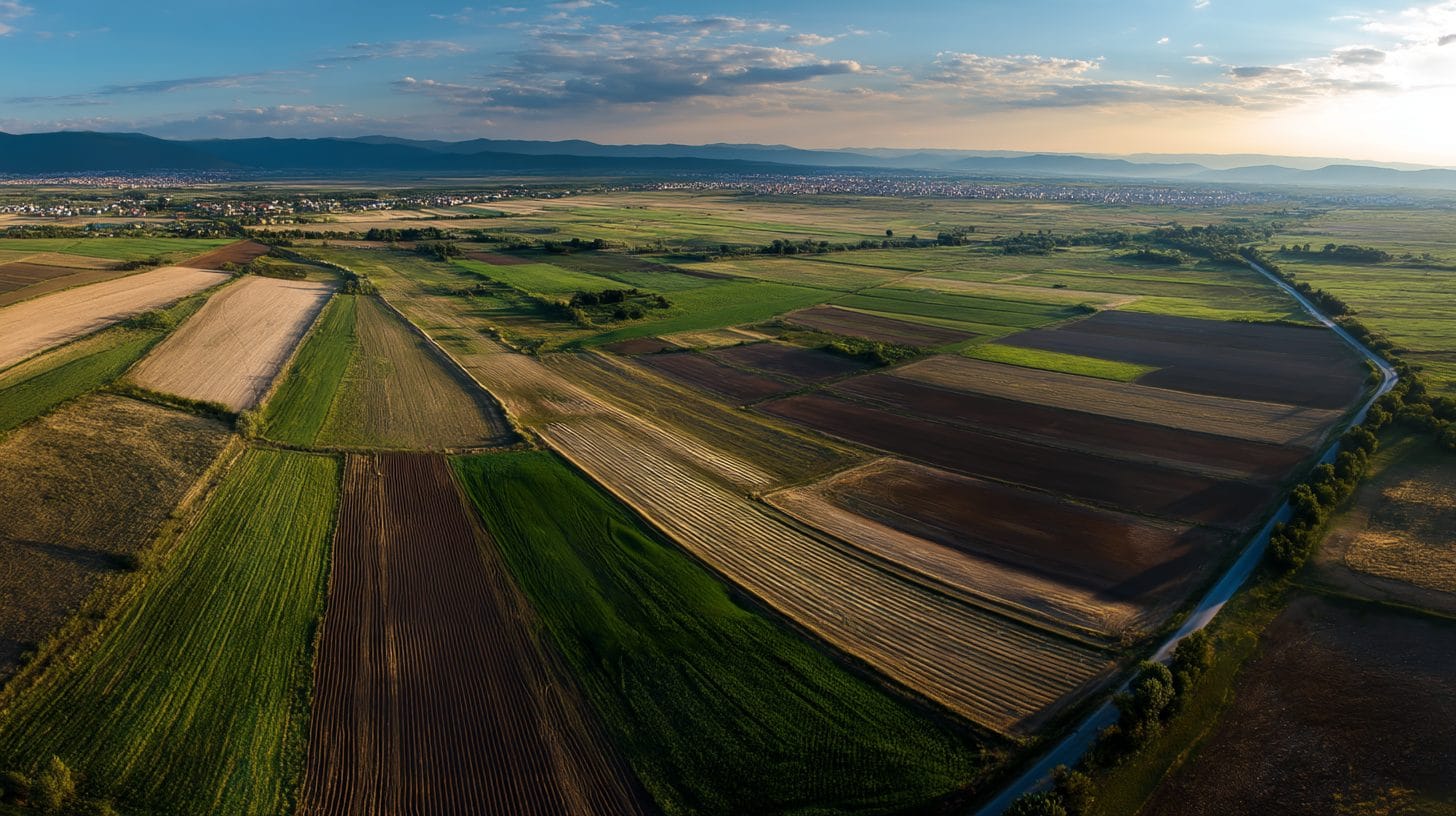
How to Evaluate the Impact of New Retail Projects on Jilava, Ilfov
As the landscape of consumer behavior shifts and the retail industry continues to evolve, assessing the impact of new retail projects in specific locales is crucial for stakeholders, including local governments, investors, and community members. Jilava, a town located in Ilfov County, Romania, is poised for various retail developments that may significantly affect its economy, environment, and social dynamics. This article aims to provide a comprehensive guide on how to evaluate the impact of new retail projects in Jilava, Ilfov, focusing on various analytical lenses and offering best practices in the assessment process.
The Importance of Evaluating Retail Projects
Understanding the impact of retail projects is critical for informed decision-making. The evaluations help stakeholders anticipate the potential benefits and drawbacks of proposed developments, which can include changes in employment rates, alterations in local infrastructure, shifts in social dynamics, and more. By systematically evaluating these factors, local decision-makers can facilitate responsible urban planning and ensure that new retail initiatives serve the interests of the Jilava community.
Key Metrics to Consider
When assessing the impact of retail projects in Jilava, it is vital to identify the metrics that will effectively illustrate changes within the community. Essential areas to consider include:
1. Economic Impact
– Job Creation: Analyze the number of jobs created directly and indirectly by the new retail developments. Jobs can vary from sales positions to management roles and can have a profound effect on the local economy.
– Tax Revenue: Assessment of the potential increase in local tax revenues that new retail establishments may generate, contributing to communal resources that fund essential services.
– Consumer Spending: Evaluate how retail projects can stimulate local consumer spending, leading to a multiplier effect on other local businesses.
2. Social Impact
– Community Engagement: Investigate the level of community involvement in the planning stages of retail projects to gauge public support and understand local needs and preferences.
– Quality of Life: Assess how new retail options can enhance the quality of life for residents, whether through improved access to goods, creation of public spaces, or social interaction opportunities.
3. Environmental Impact
– Land Use Changes: Evaluate how new retail developments affect land use, zoning regulations, and the preservation of green spaces in Jilava.
– Sustainability Measures: Determine whether the retail projects implement environmentally sustainable practices, such as energy-efficient designs or waste reduction strategies, contributing to the long-term viability of Jilava’s natural landscape.
Research Methodology
A structured approach to evaluating the impact of retail projects involves the use of both qualitative and quantitative research methods. Here are some steps to guide this research:
1. Stakeholder Engagement: Conduct interviews and surveys with community members, local business owners, and governmental officials to gather a wealth of perspectives on the proposed retail developments.
2. Data Collection: Utilize existing data from local economic studies, employment statistics, and retail performance reports to quantify the potential impacts outlined above.
3. Case Studies: Review similar retail projects implemented in comparable towns or regions to draw lessons about potential outcomes and pitfalls.
4. SWOT Analysis: Perform a SWOT (Strengths, Weaknesses, Opportunities, Threats) analysis to provide a comprehensive understanding of the potential impacts of retail projects on Jilava.
5. Impact Studies: Partner with local universities or research institutions to conduct formal studies assessing economic and social impacts as retail projects progress.
Best Practices for Assessment
While evaluating the impact of retail projects in Jilava, the following best practices should be observed:
1. Foster Collaboration: Establish partnerships between local governments, community organizations, and developers to ensure that all stakeholders have a voice in the evaluation process.
2. Transparency: Maintain open lines of communication with the public regarding findings and ongoing assessments. Transparency builds trust and encourages constructive dialogue.
3. Long-term Perspective: Evaluate the impacts not just in the immediate aftermath of project completion but over a longer timeframe to understand how retail projects can influence future economic and community developments.
4. Adaptability: Be prepared to adapt evaluations as new information arises or as community dynamics change following retail project implementations.
5. Feedback Mechanisms: Develop systems for ongoing assessment and feedback once new retail projects have been completed, ensuring that stakeholders can make necessary adjustments based on observed outcomes.
Conclusion
The evaluation of retail projects’ impact in Jilava, Ilfov, is not just a technical nor a quantitative endeavor. It is a multidimensional assessment that encompasses economic, social, and environmental factors that can significantly affect the community’s fabric. Engaging diverse stakeholders and employing systematic methodologies fosters a comprehensive understanding of how proposed retail developments can contribute to or detract from the overall wellness of the Jilava community. By focusing on this crucial evaluation process, Jilava can navigate the future of retail thoughtfully, ensuring that it aligns with the aspirations and needs of its residents while promoting a sustainable and thriving local economy. This holistic approach will be essential in harnessing the potential benefits of new retail projects while mitigating adverse effects, ensuring long-term success for Jilava and the broader Ilfov region.
Interested in Land Investment in Romania?
We specialize in high-yield land and property opportunities for serious investors.
VIEW OUR CURRENT PORTFOLIOSecure your investment with Land For Investors.

Published: March 4, 2025