

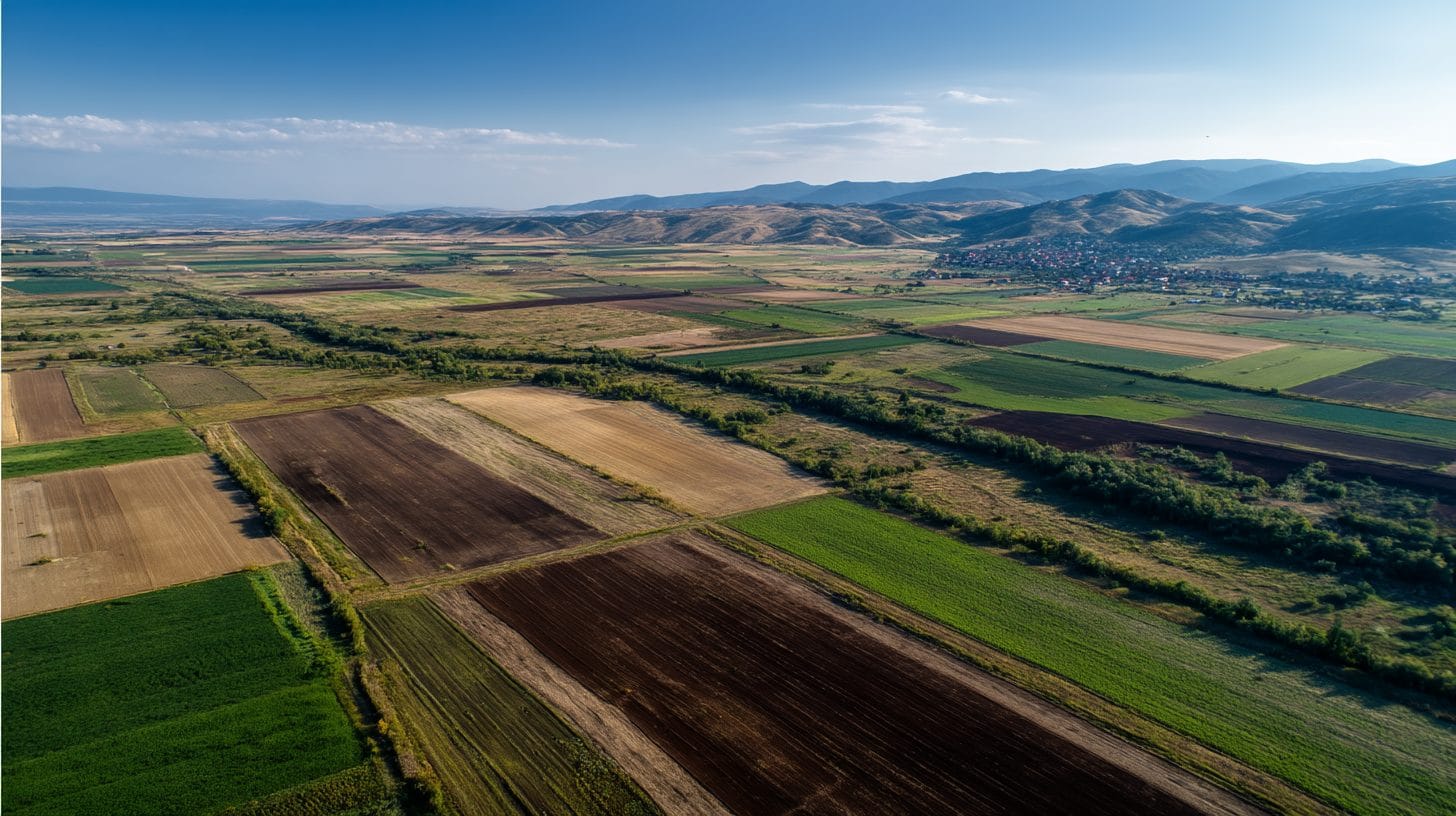
Evaluating the Impact of Infrastructure Projects on Romanian Real Estate
As Romania continues to develop and modernize its infrastructure, it is essential for investors, stakeholders, and policy-makers to understand how these infrastructure projects impact Romanian real estate. The confluence of infrastructure development and the real estate market represents a dynamic relationship that can significantly influence property values, investment potential, and overall economic growth. Evaluating this impact becomes crucial, especially for foreign investors who are looking to capitalize on opportunities within Romania’s burgeoning real estate market. This article will delve into the factors involved in assessing the impact of infrastructure projects on Romanian real estate while exploring the implications for foreign investment.
Understanding Infrastructure Projects in Romania
Infrastructure projects encompass various sectors, including transportation (roads, highways, railways), utilities (water, electricity, telecommunications), and public facilities (hospitals, schools). The Romanian government and European Union investments have led to an extensive range of infrastructure initiatives aimed at enhancing the overall efficiency and quality of service delivery in the country. These projects aim to facilitate trade, improve access to services, and ultimately foster economic growth. Some notable recent infrastructure developments in Romania include major highway constructions, upgrades to urban public transport, and investments in energy and telecommunications networks.
The Economic Significance of Infrastructure
Infrastructure serves as the backbone for economic activity. A well-connected region can attract businesses, tourists, and residents, thus driving demand for real estate. Improved transportation options, for instance, can significantly reduce travel times and costs, making previously less accessible areas more attractive for development. A comprehensive analysis of these infrastructure projects can reveal insights into areas poised for growth, making them vital for stakeholders looking to invest in Romanian real estate.
Assessing the Impact on Property Values
Investors should closely monitor how infrastructure projects influence property values. New roads or improved public transport systems can lead to increased accessibility, which often translates into higher property demand and rising prices in formerly overlooked neighborhoods. Conversely, poorly planned infrastructure may not yield the expected returns or could even detrimentally affect property values in specific areas.
Conducting a thorough site analysis that evaluates existing infrastructure, proposed development plans, and projected economic growth can provide critical insights into property valuation. Metrics such as proximity to transport routes, accessibility to essential services, and potential for urban sprawl are essential in evaluating the impact of infrastructure on real estate.
Case Studies of Infrastructure Projects in Romania
To fully understand infrastructure projects’ impact on Romanian real estate, reviewing case studies serves as a valuable approach. The development of the Sibiu–Pitești Highway, for instance, has been a significant public investment enhancing linkage between major cities. Analyzing the effect of this highway on nearby residential and commercial property values shows a dramatic increase in real estate activity. This case exemplifies how connectivity can stimulate development in surrounding areas, promoting growth in both residential and commercial sectors.
Additionally, the Bucharest Metro expansion has significantly altered the property landscape in the capital city. Areas around newly constructed metro stations have experienced a surge in both rental prices and sales as people seek convenience and better access to urban amenities. These trends can inform future investors regarding the strategic acquisition of properties based on planned infrastructure developments.
Long-Term Economic Indicators
Foreign investors must consider the long-term economic indicators that derive from infrastructure projects. Infrastructure improvements often correlate with foreign direct investment (FDI) inflows, job creation, and population growth in associated areas. Analyzing economic data such as construction activity, employment rates, and demographic shifts provides essential context for assessing potential real estate opportunities. Tracking these indicators can help foreign investors make informed decisions about entering the Romanian real estate market.
Community and Environmental Factors
Beyond economic implications, community sentiment and environmental considerations play a crucial role in evaluating the impact of infrastructure projects on real estate. Engaging with local communities helps gather insights into public opinion on proposed projects, which can either bolster or hinder real estate development. Infrastructure projects that prioritize sustainable practices and community engagement tend to gain broader public support, leading to greater overall success.
Understanding the environmental impacts and compliance with regulations cannot be overlooked. Projects that prioritize ecological sustainability often command higher interest from investors, particularly from foreign investors concerned with corporate social responsibility. The intersection of environmental stewardship and infrastructure development can serve as a marketing tool for real estate, enhancing brand reputations and attracting tenants who value sustainability.
Regulatory and Strategic Considerations
Foreign investors must navigate Romania’s regulatory landscape concerning infrastructure development and real estate investment. Familiarizing oneself with national development strategies, local zoning regulations, and investment incentives will ensure compliance and strategic alignment. Understanding governmental priorities and timelines for infrastructure projects may offer foreign investors insights into potential market movements and opportunities for investment.
It is crucial to engage with local real estate experts, governmental planning authorities, and economic researchers to develop a comprehensive understanding of Romanian real estate’s evolving landscape. Utilizing this local knowledge can prove invaluable in evaluating the impact of upcoming infrastructure projects as they relate to foreign investment.
Utilizing Technology for Analysis
Advancements in technology enable real estate investors to access vast amounts of data. Geographic information systems (GIS), real estate analytics platforms, and predictive modeling tools are increasingly used to evaluate the effects of infrastructure projects on property markets. These technologies allow investors to visualize potential impacts, assess risk, and make data-driven decisions regarding property acquisition and development.
Conclusion
Evaluating the impact of infrastructure projects on Romanian real estate is an intricate balancing act that requires a multifaceted approach. Investors, particularly foreign ones, must consider economic, social, and environmental factors while remaining vigilant about evolving legislation and community sentiment. By utilizing comprehensive site analyses, case studies, and technological tools, stakeholders can gain invaluable insights into the potential of Romania’s real estate market influenced by infrastructure developments.
The importance of understanding these dynamics cannot be understated, as they can significantly shape opportunities for growth in Romania’s vibrant real estate landscape. As the country moves forward with robust infrastructure development initiatives, the landscape for foreign investment in Romanian real estate will continue to evolve, presenting both challenges and opportunities for those ready to engage with this growing market.
Interested in Land Investment in Romania?
We specialize in high-yield land and property opportunities for serious investors.
VIEW OUR CURRENT PORTFOLIOSecure your investment with Land For Investors.

Published: March 27, 2025