

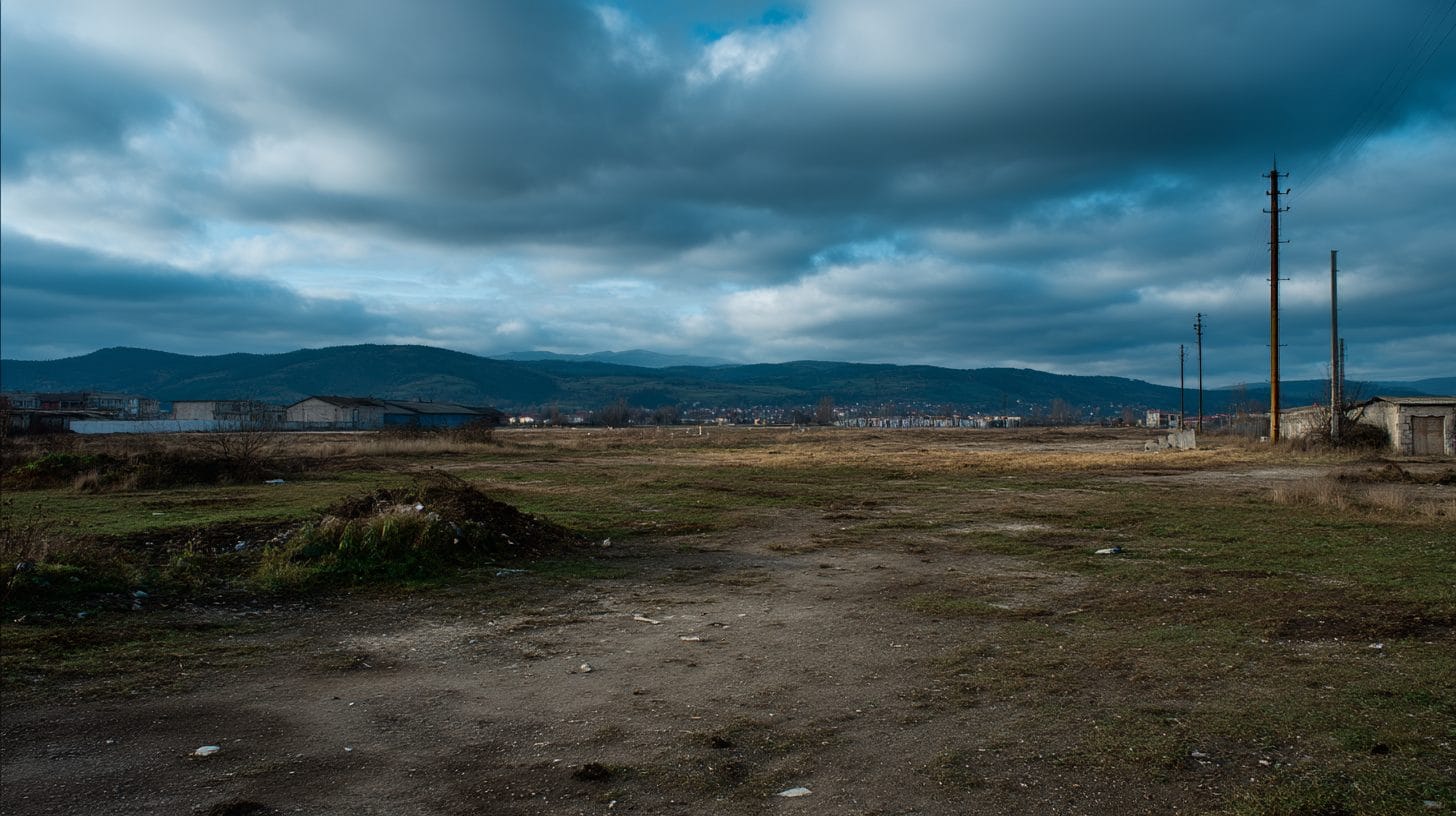
How to Evaluate the Impact of Infrastructure Projects on Romanian Property Values
Infrastructure development plays a pivotal role in shaping economic landscapes and influencing the real estate market. As Romania continues to advance its infrastructure projects, understanding their impact on property values becomes essential. This comprehensive guide will delve into the methodologies for assessing how these infrastructure initiatives affect property values across Romania, with a focus on the implications for foreign investors.
The Significance of Infrastructure Projects
In Romania, infrastructure projects encompass a broad range of developments, including transportation networks (roads, railways, and airports), utilities (water supply, electricity, and telecommunications), and social infrastructure (schools and hospitals). These projects not only create jobs and stimulate economic growth but also significantly influence property values in the vicinity.
A well-planned infrastructure project can lead to increased accessibility, improved public services, and enhanced overall livability of a region. Consequently, property values in areas receiving such improvements often rise. Conversely, perceived negative impacts from poorly executed or disruptive projects can deter investment and depress property values.
The Importance of Foreign Investment
Foreign investors are particularly keen on understanding the infrastructure projects’ impact on Romanian property values. This demographic often looks for stable environments with growth potential, making the assessment of infrastructure development crucial. It determines not only the investment’s viability but also its anticipated return on investment.
Evaluating Infrastructure Projects on Property Values
When assessing the impact of infrastructure projects on Romanian property values, it is essential to adopt a structured approach. Here are the key steps involved in the evaluation process:
1. Identify Relevant Infrastructure Projects
Start by creating a comprehensive list of current and planned infrastructure projects in Romania. Consult government databases, regional planning documents, and news articles to gather this information. Pay particular attention to large-scale developments that may significantly affect property values.
2. Analyze Project Characteristics
Different infrastructure projects have varied characteristics, influencing their impact on property values. Consider the following aspects:
– Type of Project: Transportation, utilities, or social infrastructure.
– Scale and Scope: Is it a major highway expansion, a new airport terminal, or a telecommunications upgrade?
– Timeline: Assess the expected timeline for completion and the duration of any disruptions during construction.
3. Geographic Impact Assessment
Determine the geographic areas immediately adjacent to the infrastructure projects. Evaluate how these projects may influence surrounding neighborhoods or municipalities. Utilizing tools such as Geographic Information Systems (GIS) can aid in visualizing the potential impact zones.
4. Conduct Market Analysis
Next, perform a market analysis to gauge current property values in the vicinity of the infrastructure projects. Collect data on recent sales, rental prices, and property trends. This data can be sourced from real estate agencies, government records, and market reports.
5. Evaluate Historical Trends
Assess the historical impact of similar infrastructure projects on property values in Romania. Analyze past case studies to identify patterns that may predict future outcomes. This historical perspective can provide valuable insights into how various factors contributed to changes in property values.
6. Engage Stakeholders
Engaging with local stakeholders is crucial. Interviews and surveys with real estate agents, property developers, local government officials, and residents can yield qualitative insights into the community’s perception of the infrastructure project. Stakeholder opinions can provide context for quantitative data.
7. Apply Economic Models
Utilize economic models to project property value changes due to the infrastructure project’s completion. The hedonic pricing model, for instance, can be a useful analytical tool. It relates property prices to specific characteristics, including proximity to infrastructure. This model considers factors like accessibility, connectivity, and local amenities.
8. Monitor Economic Indicators
Stay abreast of broader economic indicators that might influence property values, such as GDP growth, employment rates, and population trends. These elements can help contextualize the impact of infrastructure projects on property markets.
9. Assess Long-term effects
Infrastructure projects often yield both short-term and long-term effects on property values. Analyze how property values might fluctuate during the construction phase and after the project’s completion. Long-term projections may also encompass demographic shifts and changing market dynamics.
10. Report Findings
Finally, compile your findings into a comprehensive report. This document should clearly outline the infrastructure project’s expected impact on property values, supported by qualitative and quantitative data. Utilize graphs and charts to illustrate trends and projections, and present your conclusions in a manner that is accessible to both domestic and foreign investors.
Conclusion
As Romania progresses with its infrastructure development plans, understanding the impact of these projects on property values is of paramount importance. Through careful evaluation that encompasses project characteristics, market analyses, stakeholder engagement, and economic modeling, investors can glean valuable insights into potential investment opportunities.
The infrastructure projects impact Romanian property foreign investors significantly, providing both challenges and opportunities in their pursuit of lucrative investments. By adopting a systematic approach to evaluation, foreign investors can make informed decisions that ultimately lead to successful investments in Romania’s evolving real estate market.
Finally, as Romania continues to develop its infrastructure, staying informed about changes, trends, and potential impacts will empower investors to navigate this dynamic landscape successfully. Armed with the knowledge of how infrastructure projects influence property values, foreign investors can position themselves strategically within Romania’s real estate sector, ensuring viable opportunities for growth and return on investment.
Interested in Land Investment in Romania?
We specialize in high-yield land and property opportunities for serious investors.
VIEW OUR CURRENT PORTFOLIOSecure your investment with Land For Investors.

Published: March 29, 2025