

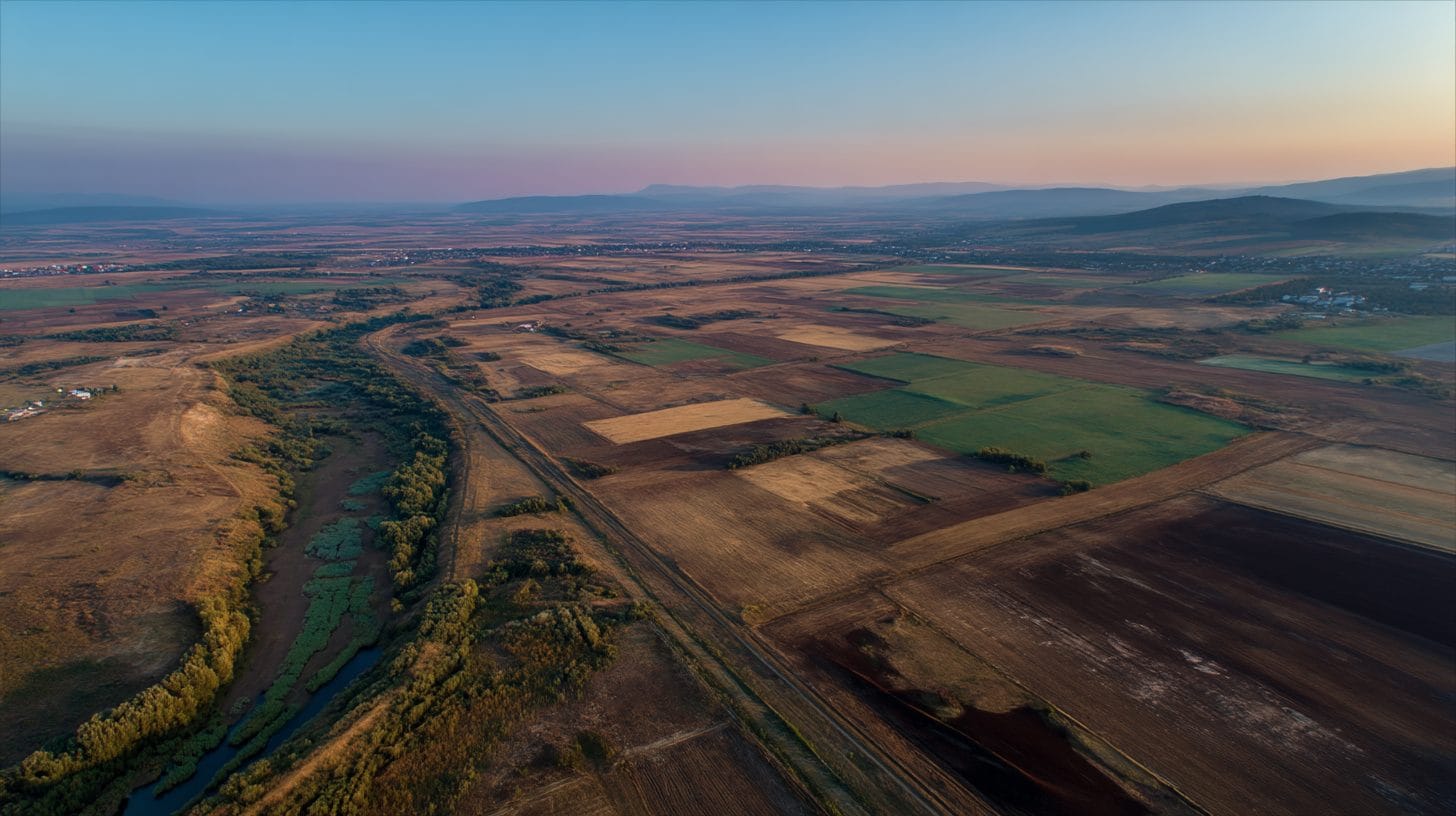
The future infrastructure impact on lands near Bucharest is a crucial consideration for urban planners, policymakers, and developers alike as Romania’s capital experiences rapid growth and transformation. Evaluating these impacts necessitates a comprehensive understanding of various factors that include economic development, environmental sustainability, social dynamics, and long-term urban planning strategies. As infrastructure projects are envisioned, the surrounding lands are often subject to significant changes. This article explores methodologies and approaches to accurately assess the potential impact of future infrastructure developments near Bucharest.
Understanding Infrastructure Development in Bucharest
Bucharest, renowned for its rich history and architectural diversity, is currently facing the challenges of urban expansion. New infrastructure projects, such as transportation networks, commercial hubs, and residential developments, are being proposed to facilitate this growth. Key projects include enhanced road systems, public transportation upgrades, and real estate developments, all of which directly influence the lands surrounding the city.
When evaluating the future infrastructure impact on lands near Bucharest, it is essential to adopt a multi-faceted approach that considers not only the immediate consequences of development but also the long-term implications for land use, property values, community structures, and environmental integrity.
Economic Considerations
One of the primary dimensions of assessing future infrastructure impacts is economic analysis. The introduction of new infrastructure often leads to increased accessibility which, in turn, attracts businesses and fosters economic activity. To evaluate this impact, studies can include cost-benefit analyses, focusing on projected job creation, taxation revenues, and business growth in the affected areas.
Investigation into property value trends is similarly critical. Infrastructure tends to enhance property desirability, leading to increases in land and housing prices. However, this can also result in gentrification, where existing residents are displaced due to rising costs. An assessment must include projections of property values and their implications for current residents and businesses.
Social Dynamics and Community Impact
Infrastructure projects hold the potential to reshape social landscapes. Evaluating future infrastructure impact on lands near Bucharest requires understanding community needs and demographics. Engaging with local stakeholders—residents, community organizations, and policy advocates—can yield valuable insights into potential outcomes and perceptions of new developments.
Conducting surveys and focus groups can highlight community concerns about changes in lifestyle, access to services, and the potential disruption of established neighborhoods. Additionally, evaluating how future infrastructure will serve vulnerable populations is essential to creating inclusive growth strategies. Infrastructure should seek to bridge gaps rather than widen them, allowing for a holistic improvement to community well-being.
Environmental Sustainability
Assessing the impact of future infrastructure on lands near Bucharest must also encompass environmental considerations. Environmental impact assessments (EIAs) are instrumental in predicting how developments might influence air and water quality, flora and fauna, and overall ecological balance.
As urban areas expand, the principles of sustainable development must be incorporated. This includes evaluating potential disruptions to local ecosystems, assessing the carbon footprint of construction and transport solutions, and integrating green spaces. Infrastructure projects should prioritize renewable energy usage and materials that minimize environmental degradation.
The Role of Technology
Technological tools and Geographic Information Systems (GIS) have revolutionized the way urban planners and developers assess the impact of infrastructure projects. Utilizing relevant software allows for intricate modeling of infrastructure integration within existing landscapes. These tools can visualize multiple scenarios, forecasting development outcomes based on different infrastructural choices.
Moreover, utilizing big data analytics can provide real-time insights into traffic patterns, community usage, and environmental factors. Understanding these varying data points can help in making informed decisions about future infrastructure investments near Bucharest, ensuring that proposed changes resonate positively with the surrounding lands and communities.
Policy Framework and Regulatory Compliance
The evaluation process also necessitates a thorough comprehension of the legislative and regulatory framework governing infrastructure development in Romania. Local and national regulations dictate standards for impact assessments, zoning laws, and urban planning practices. Understanding this legal framework is crucial as it outlines what is permissible and the extent to which community, environmental, and economic impacts must be considered.
Staying updated on national and European Union policies that may affect infrastructure initiatives can help stakeholders navigate compliance effectively. Advocating for inclusive policies can also influence the direction of infrastructure projects to prioritize sustainability and community benefit.
Future-Proofing Infrastructure Investments
To effectively evaluate the future infrastructure impact on lands near Bucharest, it is vital to adopt a long-term perspective. Future-proofing involves designing infrastructure projects that remain viable amid changing socio-economic contexts, technological advances, and climate conditions. This anticipatory approach can positively influence urban resilience, ensuring that new developments can adapt to future needs and challenges.
Collaboration between various stakeholders—including government entities, private developers, and community leaders—can lead to innovative solutions that address both current and future demands. This collaborative effort can establish a shared vision for urban growth that respects historical contexts and environmental imperatives.
Conclusion
Evaluating the future infrastructure impact on lands near Bucharest is an intricate process that demands careful consideration of economic, social, environmental, and technological factors. As Romania’s capital continues to evolve, integrating these facets into the assessment framework can foster developments that benefit not only the immediate vicinity but also the broader community.
Future infrastructure projects have the potential to reshape Bucharest’s landscape significantly. By engaging with stakeholders, utilizing advanced tools, adhering to regulatory requirements, and planning for long-term sustainability, Romania can ensure that its infrastructure initiatives lead to prosperous, inclusive, and environmentally responsible growth. The successful evaluation of these impacts will depend on a shared commitment among all involved parties to shape the future of this vibrant city and its surrounding lands.
Interested in Land Investment in Romania?
We specialize in high-yield land and property opportunities for serious investors.
VIEW OUR CURRENT PORTFOLIOSecure your investment with Land For Investors.

Published: April 20, 2025