

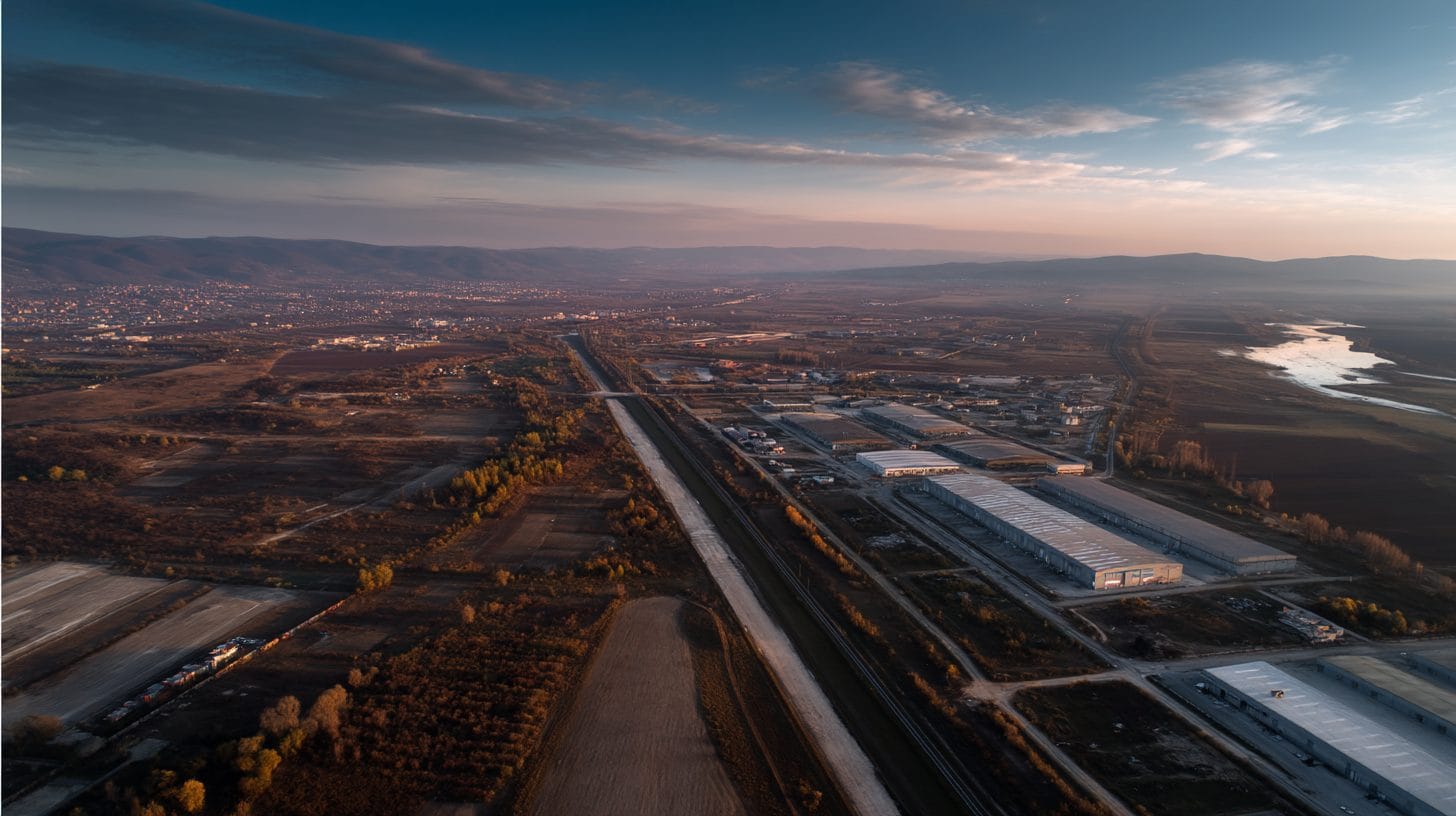
How to Evaluate the Impact of Future Infrastructure on Land Near Bucharest
Evaluating the potential effects of future infrastructure projects on land near Bucharest is crucial for a variety of stakeholders, ranging from urban planners and developers to investors and local communities. As the capital city of Romania, Bucharest is experiencing rapid urbanization, necessitating the development of new infrastructure to sustain its growing population and economic activities. This article will explore the methodologies and considerations involved in assessing the impact of future infrastructure on land near Bucharest, ensuring that such evaluations align with the needs of the environment, society, and economy.
1. Understanding Future Infrastructure Projects
Before delving into the evaluation process, it is important to identify what constitutes future infrastructure near Bucharest. This category may include the development of roads, bridges, public transportation systems, energy facilities, water supply systems, sewage treatment plants, and more. These projects are designed to enhance connectivity, improve living conditions, and promote economic growth; however, they can also have significant implications for the land they occupy and the surrounding environment.
2. The Importance of Land Use Planning
Land use planning is an essential aspect of evaluating the impact of future infrastructure on land near Bucharest. Through effective land use management, authorities can ensure that infrastructure development aligns with urban development goals, ecological integrity, and sustainability efforts. Analyzing land use patterns, zoning regulations, and existing land values provides insight into how future infrastructure will interact with surrounding areas and existing communities.
3. Stakeholder Engagement
The evaluation process should not be conducted in isolation; engagement with stakeholders is essential for a comprehensive understanding of the implications of future infrastructure. Stakeholders include local residents, business owners, government officials, urban planners, and environmental organizations. Conducting public consultations, workshops, or surveys can yield valuable feedback and identify concerns or support for proposed projects. Integrating the perspectives of various stakeholders allows for a more holistic evaluation of potential impacts.
4. Environmental Impact Assessments (EIA)
Environmental impact assessments are a key tool for understanding how future infrastructure projects may affect land near Bucharest. These assessments examine the potential environmental consequences of proposed developments, including impacts on land, water, air quality, ecosystems, and local wildlife. Conducting an EIA helps in identifying adverse effects and developing mitigation strategies to minimize negative outcomes. Regulatory frameworks in Romania mandate these assessments for major infrastructure projects.
5. Socio-Economic Impact Assessments
In parallel with environmental considerations, socio-economic impact assessments evaluate how infrastructure projects will affect local communities and economies. This involves identifying potential changes in employment opportunities, property values, accessibility, quality of life, and public health. By analyzing demographic data, economic trends, and existing social structures, planners can forecast how future infrastructure will influence the area’s socio-economic landscape. Creating models or utilizing software tools can enhance accuracy in these assessments.
6. Infrastructure Connectivity and Accessibility
Evaluating future infrastructure’s impact on land near Bucharest requires examining connectivity and accessibility. Improved infrastructure diminishes travel times, fosters business development, and elevates property values. Grasping the dynamics of transportation networks and modal shifts (such as from private vehicles to public transportation) allows for better predictions regarding how land use will evolve in response to infrastructure changes. Tools like Geographic Information Systems (GIS) can visualize connectivity improvements and their impact on land utilization.
7. Urbanization Patterns and Growth Forecasting
Understanding urbanization patterns is integral to evaluating future infrastructure’s impact on land. As the population of Bucharest grows, the demand for housing, commercial spaces, and recreational areas will intensify. By analyzing historical growth trends alongside demographic projections, it becomes feasible to forecast how land use and infrastructure needs will interact. This predictive analysis informs future zoning laws, land development regulations, and urban planning initiatives.
8. Assessing Land Values
The impact of future infrastructure on land near Bucharest is often reflected in the changing values of residential and commercial properties. Analyzing real estate market trends provides an understanding of how infrastructure development influences investment opportunities. Both positive impacts, such as increased demand for land in well-connected areas, and negative effects, such as devaluation in regions suffering from construction delays, need to be scrutinized. Appraisal methods should be used to capture current land values and predict future trends spurred by infrastructure changes.
9. Land Sustainability
Sustainability should be a fundamental focus when evaluating future infrastructure projects’ impact on land near Bucharest. Infrastructure development can lead to land degradation, loss of green spaces, and biodiversity reduction if not designed with environmental sustainability in mind. Evaluating the sustainability of proposed infrastructure involves assessing land use efficiency, preservation of natural resources, and integration of sustainable features such as green roofs, permeable surfaces, and renewable energy sources.
10. Legal and Regulatory Considerations
Understanding legal and regulatory landscapes is critical in evaluating the impact of future infrastructure. Infrastructure projects must comply with local planning laws, land use regulations, and environmental standards. Navigating these frameworks ensures that developments are permissible and support long-term community goals. Engaging with local legal authorities can provide insight into any potential challenges or considerations related to compliance.
11. Technological Innovations
Incorporating technology into the evaluation process enhances the precision and comprehensiveness of assessments. Using modeling software, predictive analytics, and environmental monitoring systems can provide data-driven insights into how infrastructure developments may affect land near Bucharest. Advancements in construction technologies can also facilitate more sustainable practices and provide solutions that mitigate negative impacts.
12. Conclusion
Evaluating the impact of future infrastructure on land near Bucharest is a multifaceted process that requires careful consideration of various interconnected factors, including environmental, socio-economic, and legal elements. It is imperative to adopt a holistic approach involving stakeholder engagement, rigorous assessments, and innovative technologies to facilitate informed decision-making. By proactively understanding the implications of upcoming infrastructure projects, stakeholders can ensure developments benefit the city and its inhabitants while preserving land integrity and sustainability for future generations. The interplay between future infrastructure and land in Bucharest stands as a testament to the city’s commitment to thoughtful urban growth, enhancing not only the quality of life for residents but also the economic viability of the region as a whole.
Interested in Land Investment in Romania?
We specialize in high-yield land and property opportunities for serious investors.
VIEW OUR CURRENT PORTFOLIOSecure your investment with Land For Investors.

Published: March 15, 2025