

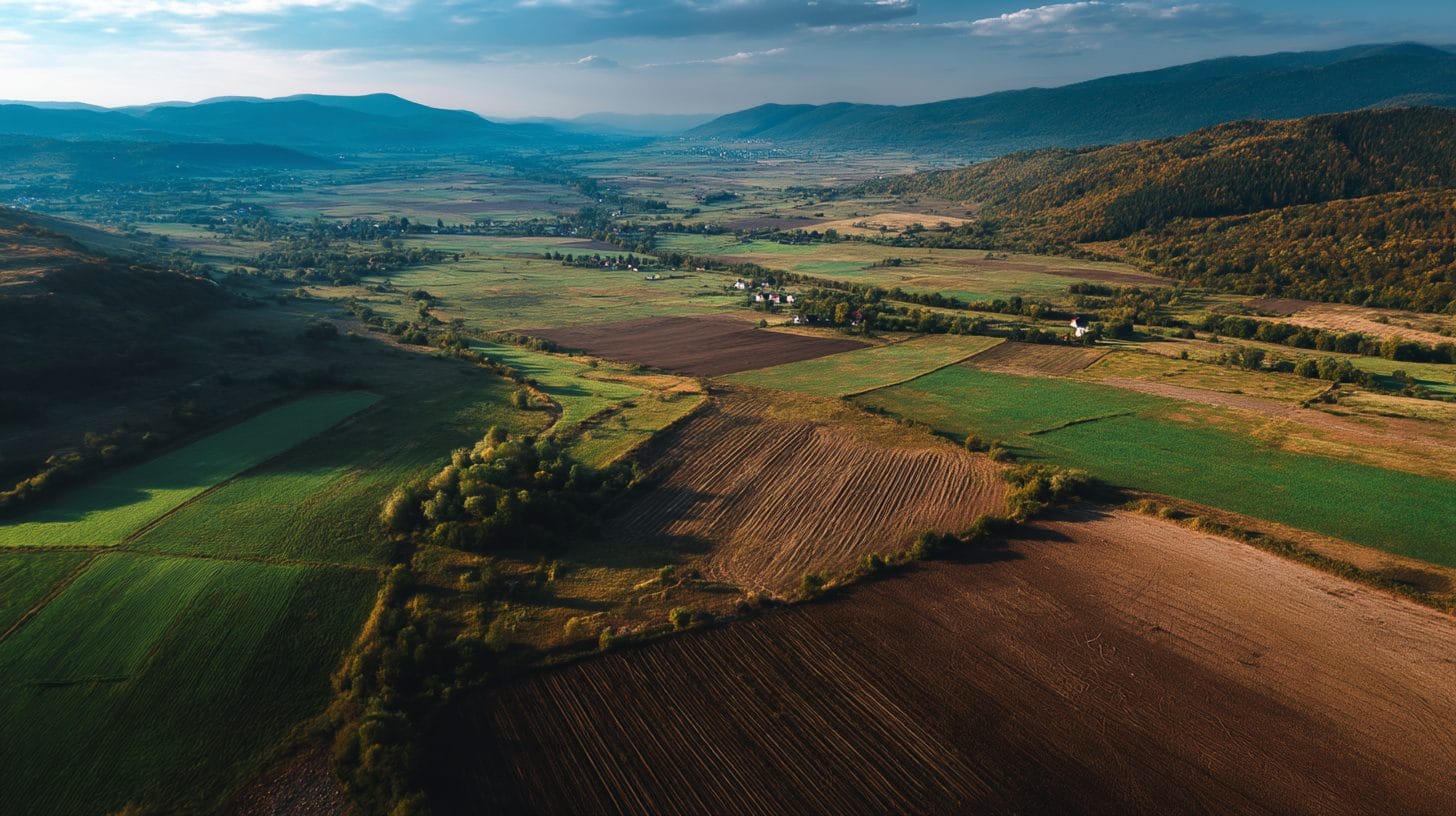
Title: How to Evaluate the Impact of Future Infrastructure on Land Investments Near Bucharest
In recent years, Bucharest has emerged as a key player in Romania’s economic landscape, attracting investors not only in residential real estate but also in land investments. As urbanization accelerates and infrastructure projects unfold, the future infrastructure impact on lands near Bucharest becomes an increasingly important consideration for investors. Understanding how these developments affect land value and investment potential is crucial for maximizing returns and making informed decisions.
First and foremost, it is essential to identify the types of infrastructure developments that are likely to influence land investments. This can include transportation projects, such as highways, railways, and metro lines; utilities and public services, such as water supply systems, electricity, and sewage treatment plants; and social infrastructure like schools, hospitals, and recreational facilities. Each of these elements can significantly influence land value and investment attractiveness near Bucharest.
Transportation infrastructure is one of the most impactful factors when evaluating the future infrastructure impact on lands near Bucharest. Improved access to major thoroughfares decreases travel time and enhances connectivity, making areas more desirable for residential and commercial purposes. Future highway expansions, rail connections, and metro lines all play a crucial role in shaping land prices. Therefore, an investor should closely monitor planned transportation projects, assess the timeline for completion, and analyze how these developments will influence accessibility.
Another important consideration is the environmental impact of future infrastructure developments. Projects that contribute to sustainability can boost land values as they enhance the quality of life for potential residents and businesses. Initiatives such as green spaces, eco-friendly building practices, and renewable energy sources may attract individuals looking to invest in areas that prioritize sustainability. Investors should evaluate how local governments are planning to incorporate green initiatives into infrastructure projects and how these strategies could affect the appeal of lands in their portfolio.
Utilities and service availability are also vital factors in determining the future infrastructure impact on lands near Bucharest. Adequate infrastructure for water and wastewater treatment, electricity supply, and telecommunications are essential for community growth. Lack of access to these services can hinder development, leading to stagnation in land values. Investors should analyze the current utility infrastructure and consult with local authorities to understand future projects aimed at improving service delivery. Insights into projected growth areas and new utility projects can provide valuable information beneficial for investment strategies.
In addition to infrastructure directly affecting accessibility and utilities, social infrastructure is unharnessing considerable influence over land investment evaluations. The proximity to educational institutions, healthcare facilities, shopping centers, and recreational areas can enhance a region’s attractiveness to potential residents and businesses. Future infrastructure plans that include the development of schools, hospitals, and commercial areas should be closely monitored, as these developments often correlate with enhanced land value. Understanding demographic trends within Bucharest and identifying areas in need of social infrastructure is critical for land investment strategies.
Conducting a comprehensive market analysis is fundamental to evaluating the impact of future infrastructure on land investments near Bucharest. This involves gathering data on historical land value trends, demographics, and economic forecasts in the area. By analyzing these variables, investors can develop insights concerning the potential for future appreciation in land value. Utilizing tools such as comparables analysis, where investors examine recently sold properties in similar areas, can also deliver key insights into predicting value changes due to future infrastructure impact.
Another essential component of the assessment process is engaging with local stakeholders. Networking with government agencies, urban planners, and real estate professionals can result in invaluable insights. These stakeholders often have access to information about planned infrastructure projects, zoning changes, and overall urban development plans in Bucharest. Building relationships and staying informed through local real estate associations, community boards, or government forums can aid in gathering data about future infrastructure impact on lands near Bucharest.
Furthermore, leveraging technology and analytical tools can enhance the evaluation process. Geographic Information Systems (GIS) can help investors visualize future infrastructure developments on maps and correlate that data with land values and demand. Advanced data analytics platforms can also analyze market trends, demographic shifts, and economic indicators that may not be readily apparent but can impact land investment outcomes.
Investors should also develop a risk assessment strategy that considers potential challenges resulting from future infrastructure projects. This includes evaluating variables such as regulatory changes, economic downturns, and potential public opposition to new developments. By diversifying investments and considering shorter- and longer-term investment horizons, investors can mitigate risks associated with sudden shifts in land value due to changing infrastructural landscapes.
In conclusion, evaluating the future infrastructure impact on lands near Bucharest requires a multifaceted approach that considers transportation access, utility availability, social infrastructure, market trends, local stakeholder input, and technological tools. By strategically assessing these components, investors can position themselves for success in the dynamic and evolving landscape of land investments near Bucharest. Understanding these dynamics is not just about making informed investment decisions—it’s about capitalizing on the city’s growth and enhancing living standards for its residents. As Bucharest continues to develop, those equipped with the right knowledge and resources will find lucrative opportunities in land investments.
Interested in Land Investment in Romania?
We specialize in high-yield land and property opportunities for serious investors.
VIEW OUR CURRENT PORTFOLIOSecure your investment with Land For Investors.

Published: April 21, 2025