

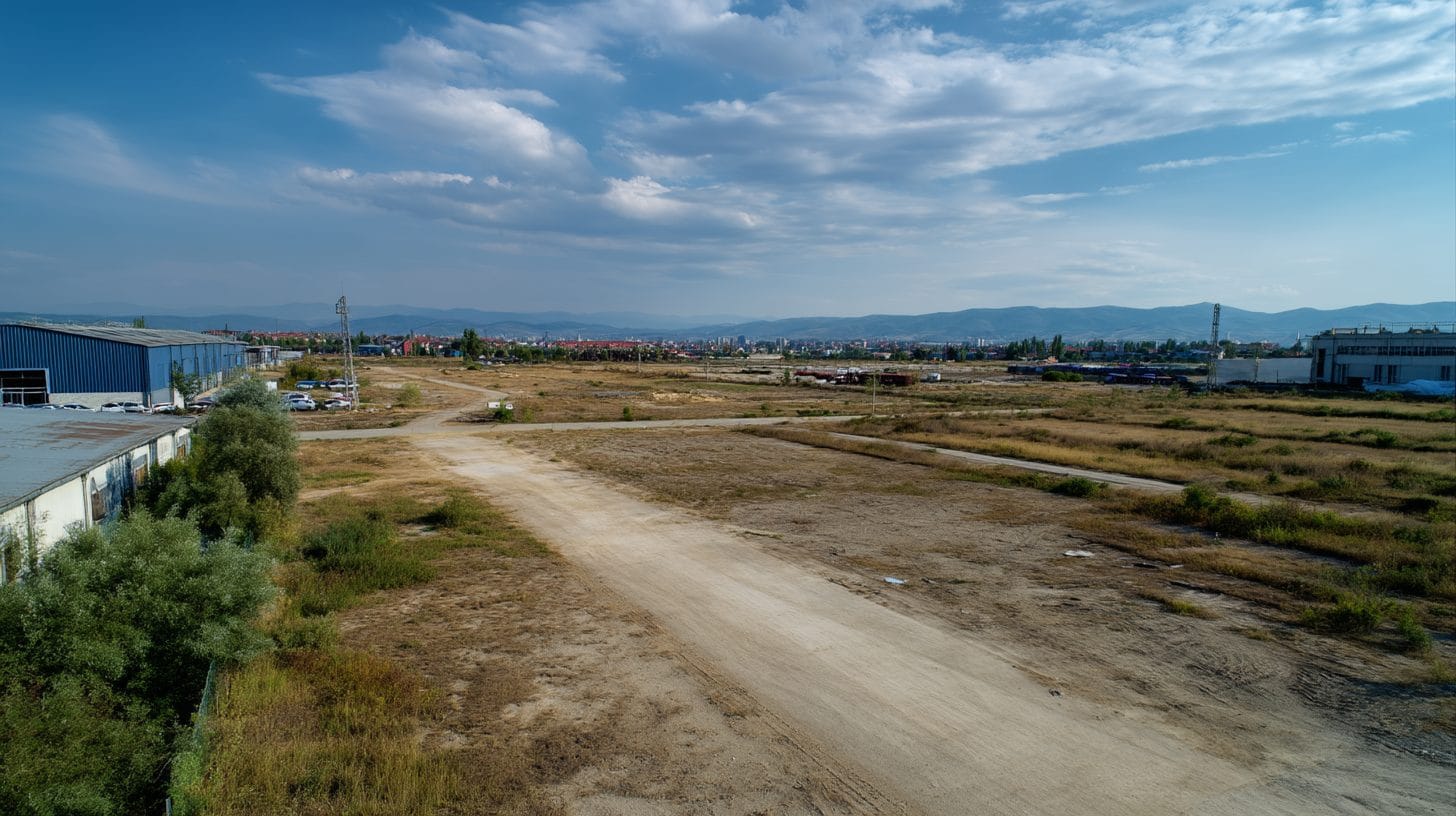
How to Evaluate the Impact of Future Infrastructure on Land Along Bucharest’s Ring Road
As the capital city of Romania, Bucharest is an area marked by rapid urbanization and growth, making it imperative for city planners and stakeholders to evaluate the impact of future infrastructure on land along Bucharest’s Ring Road. This essential route encircles the city, connecting various strategic points, promoting economic activities, and enhancing accessibility. However, the development of future infrastructure can have multifaceted effects on the land adjacent to the Ring Road, ranging from economic benefits to environmental considerations. In this article, we will outline a comprehensive methodology for evaluating the impact of future infrastructure on land along Bucharest’s Ring Road, focusing on several critical factors.
Understanding Future Infrastructure Development
Future infrastructure refers to the planned or proposed projects aimed at enhancing transportation networks, public facilities, utility services, and other amenities that serve the growing population of Bucharest. This may include the construction of new highways, bridges, public transit systems, and commercial establishments. Each of these developments carries potential implications for the land adjacent to the Ring Road, both beneficial and detrimental.
Economic Impacts
One of the most immediate considerations when evaluating future infrastructure’s impact on land along Bucharest’s Ring Road is the economic aspect. Infrastructure development can stimulate job creation, increase property values, and attract businesses to the vicinity. To gauge these economic impacts, stakeholders should:
1. Conduct a Cost-Benefit Analysis: Assess the financial implications of proposed infrastructure projects versus their expected economic returns. This should include the potential for increased tax revenue from commercial properties and improved access to local businesses.
2. Analyze Property Values: Historically, improvements in infrastructure have resulted in rising land and property values. Evaluating past trends in property appreciation near similar infrastructure projects can provide insight into potential future fluctuations in land prices along the Ring Road.
3. Identify Job Creation Opportunities: Infrastructure projects can create a demand for labor across various sectors, including construction, retail, and services. Identifying job potential associated with new developments can highlight their economic viability.
Environmental Considerations
Environmental impacts are another essential factor to evaluate when considering the future infrastructure impact on land along Bucharest’s Ring Road. Given the pollution and strain that urban environments can impose, it is crucial to incorporate sustainable practices:
1. Sustainable Land Use Planning: Explore strategies that blend the built environment with natural ecosystems through green infrastructure solutions. This could involve creating green belts, parks, or environmentally friendly construction practices.
2. Environmental Impact Assessments: Implement rigorous evaluations of how proposed developments may alter local ecosystems, water resources, and air quality. These assessments should comply with Romanian and European Union environmental regulations.
3. Community Engagement: Engage local communities in discussions about how proposed infrastructure projects may affect their health and quality of life. Gathering input from residents can help identify environmental concerns that may not be immediately apparent.
Social Dynamics and Community Impact
An evaluation of future infrastructure’s impact along the Bucharest Ring Road must also consider the social dynamics and community influences of planned developments. Infrastructure can shape the social landscape of a community in numerous ways:
1. Accessibility and Mobility: Understanding how new infrastructure will improve or hinder mobility for residents is crucial. More accessible transportation can enhance connectivity, foster inclusivity, and reduce travel times.
2. Neighborhood Revitalization: Future developments can breathe new life into underprivileged neighborhoods. Identifying how infrastructure can contribute to revitalization efforts is essential for ensuring the social fabric of the community remains intact.
3. Cultural and Historical Perspectives: Bucharest is home to rich cultural heritage and historical sites. Evaluating the impact of infrastructure on such assets is essential in preserving their integrity while allowing for development.
Integrating Technology in Evaluation
With advancements in technology, the evaluation of future infrastructure impacts can be more precise and data-driven. Employing geographic information systems (GIS), drone surveys, and data analytics can help stakeholders assess land use, property values, and community dynamics.
1. Geographic Information Systems (GIS): Utilize GIS mapping tools to visualize how new infrastructure will affect land use patterns, population density, and environmental factors. This technology is instrumental in supporting informed decision-making.
2. Remote Sensing: Leveraging drone technology can allow for real-time monitoring of land changes and environmental conditions, providing valuable data for assessing the impacts of development.
3. Data Analytics: Employ advanced data analytics to process various quantitative and qualitative data, enabling stakeholders to make informed decisions based on projected trends and scenarios.
Developing a Multi-Stakeholder Framework
The evaluation of future infrastructure impact on land along Bucharest’s Ring Road necessitates a collaborative approach, involving multiple stakeholders such as government agencies, urban planners, community groups, and private investors.
1. Public-Private Partnerships: Encourage cooperation between public agencies and private companies to maximize resources, engage in innovative solutions, and ensure comprehensive evaluations.
2. Stakeholder Workshops: Organize regular workshops to gather input from various community segments, ensuring that diverse voices are heard in the decision-making process regarding infrastructure development.
3. Continuous Dialogue: Foster ongoing communication between stakeholders to facilitate response mechanisms to emerging challenges and insights throughout the infrastructure lifecycle.
Conclusion
Evaluating the impact of future infrastructure on land along Bucharest’s Ring Road is a complex undertaking that requires meticulous analysis and informed strategies. By considering economic, environmental, and social factors, utilizing advanced technology, and fostering multi-stakeholder collaboration, planners and policymakers can effectively assess potential implications.
Engaging in this comprehensive evaluation approach not only prioritizes the needs and aspirations of the Bucharest community but also ensures that future infrastructure developments resonate positively with the rich tapestry of the city. As Bucharest continues on its path of growth, the lessons learned from these assessments will be instrumental in guiding sustainable and equitable urban development that enhances the quality of life for all its inhabitants. By addressing the future infrastructure impact on land along Bucharest’s Ring Road with diligence and foresight, the city can aspire to a more prosperous and sustainable future.
Interested in Land Investment in Romania?
We specialize in high-yield land and property opportunities for serious investors.
VIEW OUR CURRENT PORTFOLIOSecure your investment with Land For Investors.

Published: March 21, 2025