

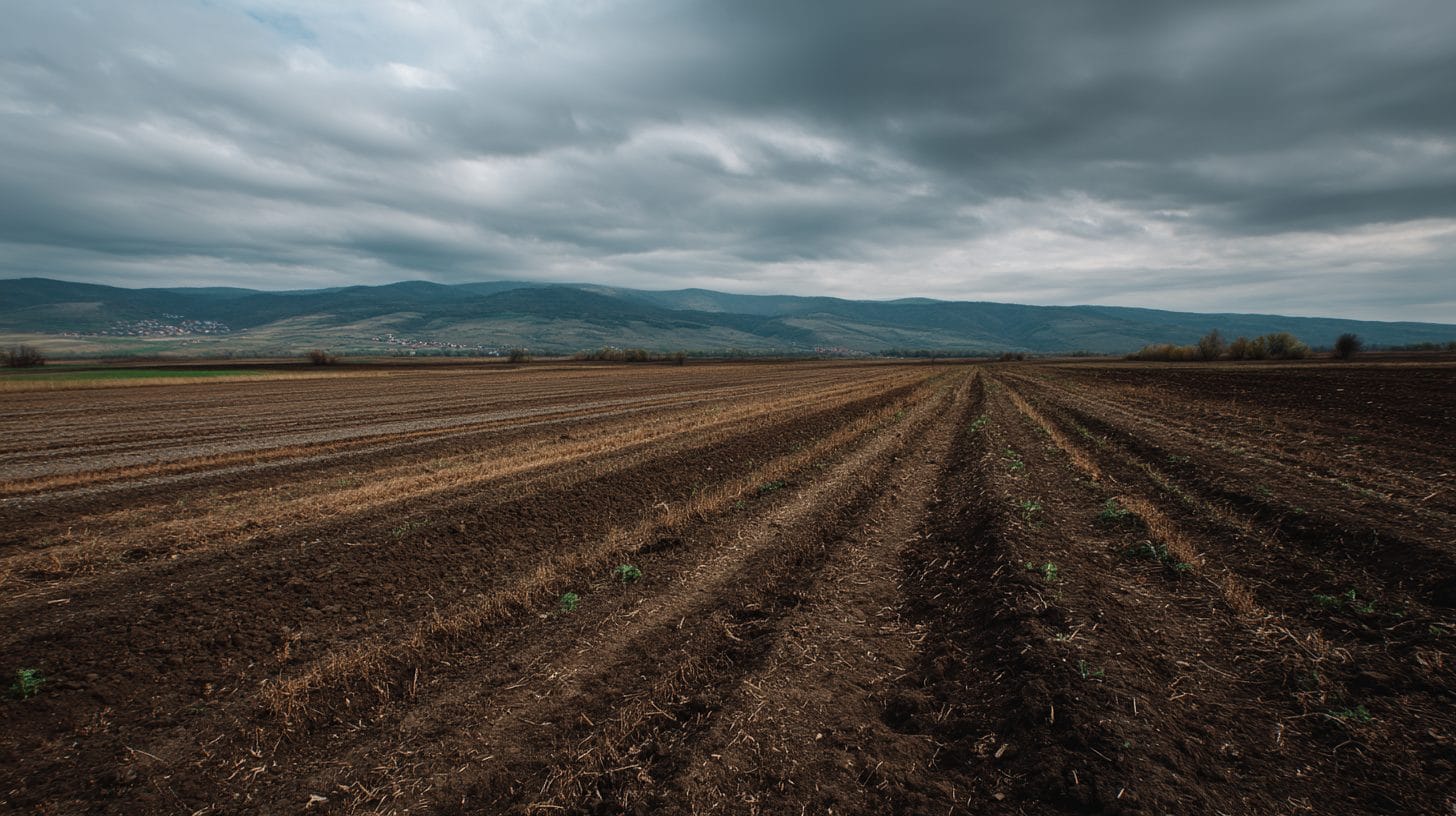
How to Evaluate the Impact of Economic Trends on Land Prices Near Bucharest
As one of Eastern Europe’s significant economic hubs, Bucharest has witnessed substantial changes in land prices over the past few decades. The fluctuation of these prices can be heavily influenced by various economic trends, making it crucial for investors, developers, and policymakers to understand how these dynamics play out in the real estate landscape. Evaluating the impact of economic trends on land prices near Bucharest requires a comprehensive analysis of multiple factors, including macroeconomic indicators, demographic shifts, geographic considerations, and regional developments. This article provides an in-depth guide on effectively assessing these variables.
Understanding the Economic Landscape
Understanding the broader economic framework is the first step in evaluating the impact of economic trends on land prices near Bucharest. Economic indicators such as GDP growth, unemployment rates, inflation rates, and consumer confidence indexes serve as foundational elements for gauging the overall health of the economy. A thriving economy often leads to higher demand for land, resulting in increased prices.
Bucharest’s economy has been on an upward trajectory, fueled by growth in various sectors, including IT, telecommunications, and finance. As the capital city continues to attract investment and talent, potential buyers and developers become more inclined to purchase land in the vicinity to capitalize on future opportunities. Keeping abreast of official reports and analyses relating to these economic indicators ensures you remain informed about the prevailing climate which affects land prices near Bucharest.
Analyzing Demographic Trends
Another vital aspect of evaluating land prices involves demographic trends. Population growth, migration patterns, and urbanization rates can significantly influence land demands in and around Bucharest. The influx of residents due to job opportunities in the capital can lead to increased demand for housing, commercial spaces, and industrial developments, thereby impacting land prices.
It is essential to delve into census data, local government publications, and studies from reputable research institutions to understand the demographic shifts occurring in and around Bucharest. A growing population typically leads to a heightened demand for land, which, in turn, drives prices upward. Additionally, analyzing population density in different regions can help identify which areas are seeing exponential growth, affecting land values significantly.
Economic Development Projects
The influence of ongoing and future economic development projects should not be underestimated. Major infrastructural developments, new transportation links, and government-funded initiatives can substantially affect land prices near Bucharest. For instance, the construction of new highways, railways, or public transportation networks can make certain areas more accessible, thereby increasing demand for land in those regions.
Stay informed about urban planning documents, public announcements, and investment plans from both public entities and private organizations. These materials often provide insights into the intended developments that may elevate land values. By tracking these initiatives, you might predict trends in land prices based on enhanced connectivity and accessibility.
Real Estate Market Trends
Local real estate market trends serve as an immediate indicator of land price evaluations. A thorough analysis of real estate data, including transaction volumes, price trends, and inventory levels, provides insight into how economic trends are shifting land prices near Bucharest. Real estate agencies, market analysis firms, and government databases can furnish essential data for this assessment.
Observing how land prices fluctuate in relation to broader economic indicators can yield understanding about local investor sentiments. For example, if economic growth is robust, yet land prices remain stagnant, it may signal an oversupply of land in a specific region or a possible barrier to investment. Conversely, rising land prices alongside positive economic metrics may suggest a strong investment climate.
Stakeholder Sentiment and Market Psychology
The perceptions and expectations held by potential buyers, investors, and developers can heavily impact land prices. Stakeholder sentiment is driven by economic confidence and future projections. Engaging with real estate agents, attending local property exhibitions, and participating in investment forums can help gauge the current mood of stakeholders regarding future land price trends.
Understanding market psychology is critical since prices may not always reflect underlying economic realities. For instance, over-optimism can inflate prices temporarily, while pessimism can result in a downturn regardless of economic fundamentals. Keeping a pulse on the general consensus will help clarify the relationship between economic trends and land pricing movements near Bucharest.
International Economic Influences
Finally, one cannot overlook the broader international economic environment impacting local land prices. Global economic trends, trade agreements, foreign investment patterns, and geopolitical events can all resonate in local real estate markets. Bucharest’s proximity to various European markets and its integration into the European Union makes it susceptible to these external factors.
Keeping an eye on international financial news, trade agreements, and global economic forecasts can provide additional context for local land price evaluations. Economic slowdowns or booms in partner countries, fluctuating currency values, and investments from abroad can significantly influence demand for land in Bucharest’s periphery.
Conclusion
In summary, evaluating the impact of economic trends on land prices near Bucharest is a multifaceted process that requires ongoing monitoring and analysis of various variables. By examining the economic landscape, demographic trends, infrastructure developments, real estate market dynamics, stakeholder sentiment, and international influences, investors, developers, and policymakers can make informed decisions about land acquisition and development strategies.
As one of the fastest-growing real estate markets in Europe, Bucharest presents unique opportunities, but with these opportunities come risks that can only be mitigated through careful analysis. By staying proactive and informed, stakeholders can leverage economic trends to anticipate shifts in land prices, ensuring they make astute decisions that contribute to their long-term success.
Interested in Land Investment in Romania?
We specialize in high-yield land and property opportunities for serious investors.
VIEW OUR CURRENT PORTFOLIOSecure your investment with Land For Investors.

Published: April 17, 2025