

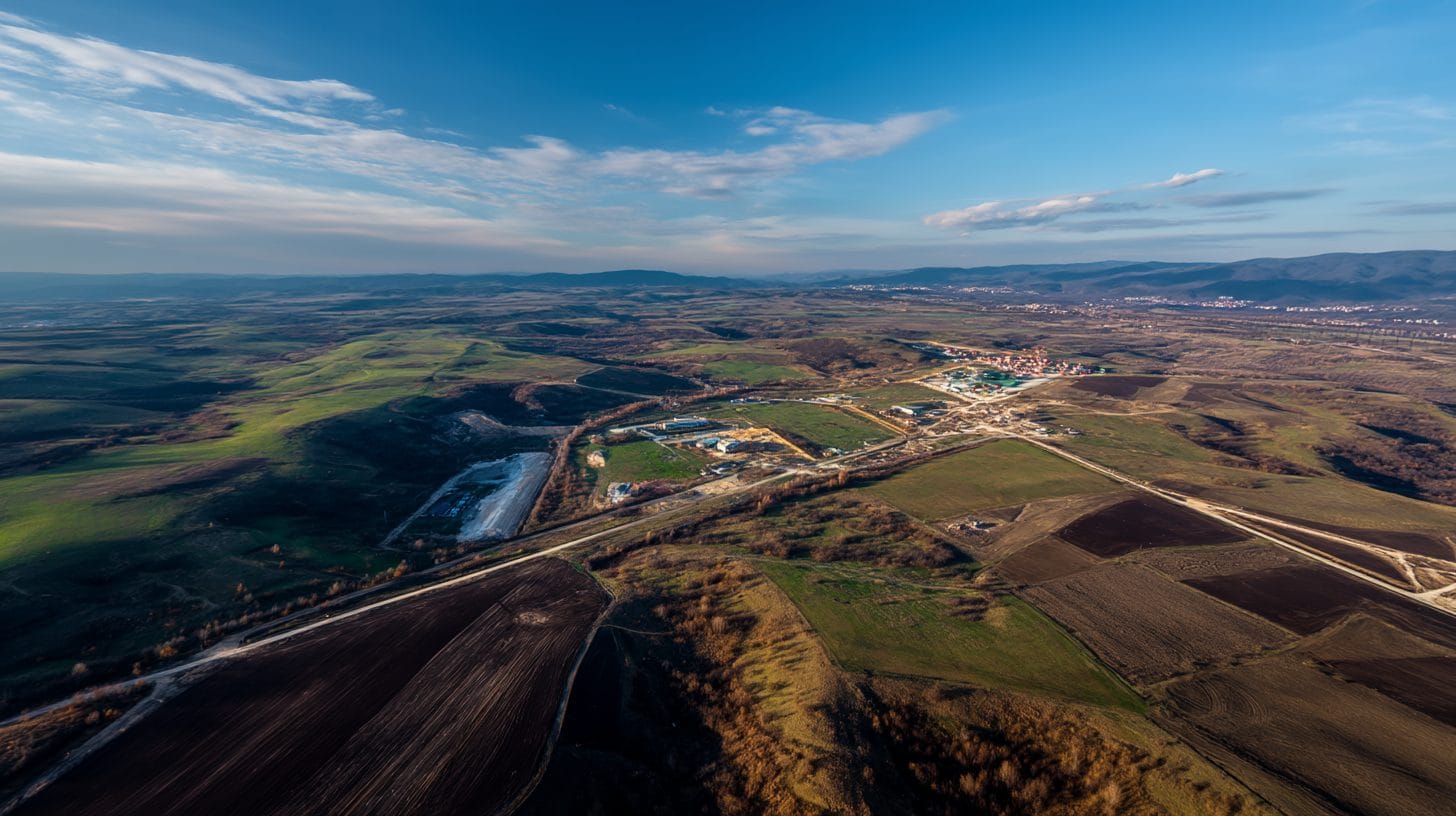
Evaluating the Impact of Demographic Shifts on Land Prices Near Bucharest
In recent years, the demographic landscape of Romania, particularly around its capital, Bucharest, has undergone substantial changes. As urban migration accelerates and population dynamics shift, these demographic trends have profound implications for land prices, especially in the suburbs and hinterlands of Bucharest. This article aims to provide a comprehensive evaluation of the impact of demographic shifts on land prices near Bucharest while offering insights and methodologies that stakeholders, investors, and policymakers can utilize to navigate this evolving landscape effectively.
Understanding Demographic Shifts
Demographic shifts refer to changes in the structure of a population over time. These changes can manifest through variations in age, ethnicity, education level, and family composition, among others. Recent studies indicate that the population of Bucharest is experiencing significant influxes from rural areas, which are primarily driven by the quest for better employment opportunities and increased living standards. Simultaneously, factors such as lower birth rates and higher mortality rates contribute to an overall decline in certain population segments, creating a complex web of demographic interactions that influence economic variables, particularly land prices.
Examining the Suburban Migration Trend
One of the most noticeable outcomes of demographic shifts around Bucharest is the trend toward suburbanization. As young families and professionals migrate from urban Bogotá to surrounding areas seeking more affordable housing options, their movement tends to elevate land prices in these regions. The appeal of suburban living—with its promise of space, tranquility, and family-oriented amenities—fuels demand for residential properties, consequently influencing overall land values.
In this context, it is pertinent for stakeholders to monitor several factors, including population growth rates in suburban districts, infrastructure developments, and local government policies aimed at urban planning. Each of these factors can act as a barometer for predicting land price increases or declines over time.
Analyzing Infrastructure Developments
Infrastructure is one of the foremost determinants of land value, particularly in rapidly urbanizing areas. Investments in transit systems, roads, educational institutions, and healthcare facilities significantly impact the desirability of different regions. As Bucharest expands and its suburbs become increasingly integral parts of the metropolitan area, improvements in infrastructure often lead to higher land prices.
For example, recent expansions of public transportation links connecting the outskirts of Bucharest to the city center can make suburban areas more attractive to potential buyers, thereby increasing demand for land and residential properties. Conversely, areas lacking proper infrastructure may witness stagnated or declining land prices, highlighting the importance of evaluating infrastructure developments in conjunction with demographic shifts.
Understanding Policy Impacts
Government policies play a crucial role in shaping demographic trends and, by extension, land prices. Zoning laws, land use regulations, tax incentives for developers, and investment in public services can lead to shifts in land demand. For instance, Bucharest’s local government may introduce zoning changes that promote mixed-use developments, which could attract new residents and businesses. Understanding the implications of such policy shifts is vital for investors and property owners navigating the ever-changing real estate landscape.
A clear example includes the adaptive reuse of industrial areas close to Bucharest into residential zones, which can stimulate demographic changes and potential gentrification. In such scenarios, land prices are likely to escalate as more people move into newly developed residential districts, eager to take advantage of the amenities and lifestyle offerings.
Utilizing Data and Analytics
For a thorough evaluation of the impact of demographic shifts on land prices near Bucharest, it is essential to rely on a data-driven approach. Access to demographic data, such as population density, age distribution, and migration patterns, can provide invaluable insights into future trends. Additionally, real estate analytics tools offer methodologies for assessing the relationship between demographic shifts and land price fluctuations.
Real estate professionals can leverage these tools to create predictive models that assess market dynamics, projecting potential land value changes based on demographic forecasts. Implementing Geographic Information Systems (GIS) can also enhance spatial analysis, revealing areas poised for growth or decline.
Monitoring Economic Indicators
Economic indicators serve as essential tools for evaluating the relationship between demographic shifts and land prices. Key variables such as employment rates, wage levels, and economic growth can provide a broader context for understanding the housing market. For instance, if Bucharest witnesses strong job growth, it is likely that demand for housing—and consequently land—will increase as more workers move to the area.
Evaluating the Impact of Remote Work Trends
The COVID-19 pandemic has significantly influenced work habits, with remote working becoming a sustained trend for many industries. This shift allows individuals and families to seek housing in areas outside the traditional office hubs of Bucharest. Evaluating how remote work trends affect demographic movements can provide deeper insights into potential shifts in land values. If substantial portions of the workforce choose to relocate to cheaper, picturesque suburban areas, the consequent demand for land in those regions could surge, again driving prices upward.
Conclusion: Strategic Implications for Investors
Investors and stakeholders in the real estate market must recognize the long-term implications of demographic shifts on land prices near Bucharest. The urban migration phenomenon, coupled with infrastructural developments, policy shifts, and economic forecasts, presents both challenges and opportunities in the realm of land investment.
To leverage these insights effectively, thorough market research, a clear understanding of policy impacts, and an eye toward the future demographic landscape will be paramount. As Romania continues to embrace urbanization and demographic changes reshape living patterns, staying ahead of the curve will yield significant benefits for those attempting to decode land price trends and harness the potential of this evolving market.
By appreciating the multifactorial nature of demographic shifts impacting lands near Bucharest, stakeholders can make informed decisions that capitalize on emerging trends while mitigating potential risks associated with a volatile real estate market. Ultimately, careful analysis and adaptability will be the keys to success in navigating the future of land prices in the dynamic urban and suburban tapestry of Bucharest.
Interested in Land Investment in Romania?
We specialize in high-yield land and property opportunities for serious investors.
VIEW OUR CURRENT PORTFOLIOSecure your investment with Land For Investors.

Published: April 22, 2025