

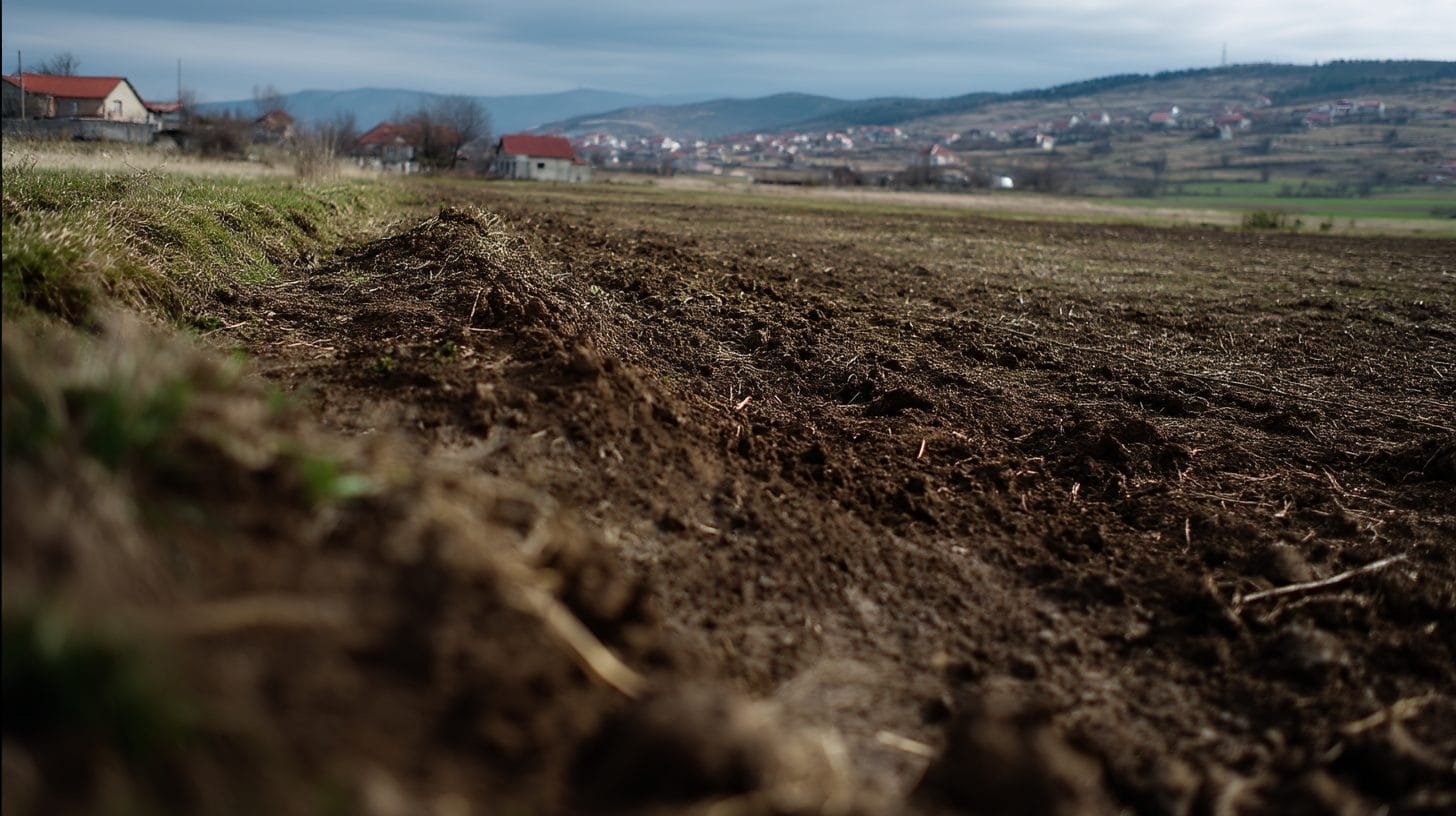
How to Evaluate the Future Growth Potential of Romanian Real Estate Markets
The Romanian real estate market has garnered increasing interest from foreign investors looking for opportunities in a market that boasts significant growth potential. With its strategic geographical location, a burgeoning economy, and an evolving urban landscape, Romania presents a compelling case for discerning investors. In this article, we will explore the various factors that contribute to the future growth potential of the Romanian real estate markets, providing a comprehensive guide for foreign investors eager to navigate this vibrant landscape.
Understanding Romania’s Economic Landscape
To evaluate the future growth potential of the Romanian real estate market, one must first consider the broader economic climate. Romania has demonstrated remarkable economic growth over the past decade, consistently outperforming various projections. The country is a member of the European Union, which has facilitated increased foreign investment and has provided access to European funds for infrastructure and development projects.
As foreign businesses increasingly recognize Romania as a hub for outsourcing and technology, the country has seen a rise in job creation and increased consumer purchasing power. Furthermore, Romania’s young and educated population contributes to a dynamic labor market, which is essential for sustaining economic growth and, by extension, the real estate market.
Analyzing Demographic Trends
Demographics play a crucial role in determining real estate demand. Romania boasts a unique demographic profile characterized by a young population, urban migration, and a growing middle class. As more individuals relocate to urban centers like Bucharest, Cluj-Napoca, and Timisoara in search of better employment opportunities, the demand for residential housing continues to escalate.
The rising middle class, backed by improved disposable incomes, is increasingly seeking quality housing. Foreign investors should closely monitor demographic shifts, as they directly influence housing demand, office space requirements, and commercial developments. Understanding the implications of these demographic trends will be essential for forecasting the future growth potential of Romanian real estate markets.
Infrastructure Development
Infrastructure is a vital component of any real estate market. Romania is making significant strides in this area, aided by European funding and government initiatives to enhance transportation and urban facilities. Projects aimed at improving the national road network, expanding airports, and modernizing urban transit systems are underway, all of which positively influence real estate values.
Investors should pay attention to infrastructure projects as they tend to have a direct impact on local economies and property values. Areas with improved access to transportation hubs or ongoing infrastructure projects often see increased interest from both residential and commercial investors. The future growth potential of the Romanian real estate market will likely be closely tied to the success of such infrastructure initiatives.
Regulatory Considerations and Market Transparency
For foreign investors, understanding the regulatory environment is indispensable when evaluating the future growth potential of the Romanian real estate market. Romania has made significant improvements in its legal framework, particularly in terms of property rights and foreign ownership laws, creating a more favorable environment for investment.
However, certain regulatory challenges still exist, ranging from bureaucratic inefficiencies to property registration hurdles. Investors must remain vigilant and stay updated on any changes in legislation that could impact their investments. Furthermore, establishing relationships with local real estate agents, legal professionals, and market experts can provide invaluable insights into navigating Romania’s regulatory landscape and enhancing investment security.
Market Trends and Sector Analysis
To evaluate the future growth potential of Romanian real estate markets accurately, it is vital to conduct a thorough analysis of current market trends and sector performance. Various sectors within the real estate market—from residential and commercial properties to logistics and industrial facilities—exhibit different growth trajectories and investment potential.
The residential sector has shown resilience and potential for appreciation, particularly in high-demand urban areas. Meanwhile, the commercial real estate market, particularly in office and retail spaces, is increasingly recognizing the need for modernization in response to evolving consumer preferences and working habits.
Logistics and industrial sectors are also experiencing rapid growth, mainly fueled by the expansion of e-commerce operations and the influx of foreign direct investment in manufacturing. Evaluating these trends requires a keen understanding of market conditions, tenant behaviors, and future projections, allowing foreign investors to make informed decisions.
International Comparison and Investor Sentiment
Evaluating the future growth potential of Romanian real estate also involves comparing it against other markets in the region and beyond. While Romania is on an upward trajectory, investors should gauge sentiment regarding its stability relative to neighboring countries or larger European markets.
Global financial conditions, investor sentiment, and broader economic indicators will also play a crucial role in how foreign investors assess the overall growth potential of Romanian real estate. Understanding international investor trends can often provide insights into where the demand for properties may go next, especially as global economic dynamics shift.
Sustainability and Future-Proofing Investments
In today’s real estate landscape, sustainability is increasingly becoming a focal point for investors. As awareness of environmental issues grows, the demand for energy-efficient and sustainable real estate options is on the rise. Romanian real estate markets are beginning to adapt to this trend, with an emergence of green building practices and certifications.
Investors interested in the future growth potential of Romanian real estate should consider the long-term viability of their investments, especially in terms of sustainability. Properties that meet green standards not only appeal to environmentally conscious renters and buyers but may also benefit from governmental incentives and financing options. Assessing the adoption of sustainable practices within the Romanian real estate sector is pivotal for forecasting future growth.
Final Thoughts
The future growth potential of the Romanian real estate market is robust. Its dynamic economic environment, coupled with positive demographic trends and ongoing infrastructural development, presents a plethora of opportunities for discerning foreign investors. However, scrutinizing the regulatory landscape, understanding market trends, and aligning investment strategies with sustainability principles will be fundamental in assessing this market.
As Romania continues to assert itself as an appealing destination for foreign investment, those who take the time to understand the unique characteristics of the local real estate landscape will be better positioned to capitalize on its growth potential. In conclusion, conducting meticulous research and fostering strong local networks will ultimately enhance your ability to evaluate the future growth potential of Romanian real estate markets effectively.
Interested in Land Investment in Romania?
We specialize in high-yield land and property opportunities for serious investors.
VIEW OUR CURRENT PORTFOLIOSecure your investment with Land For Investors.

Published: March 29, 2025