

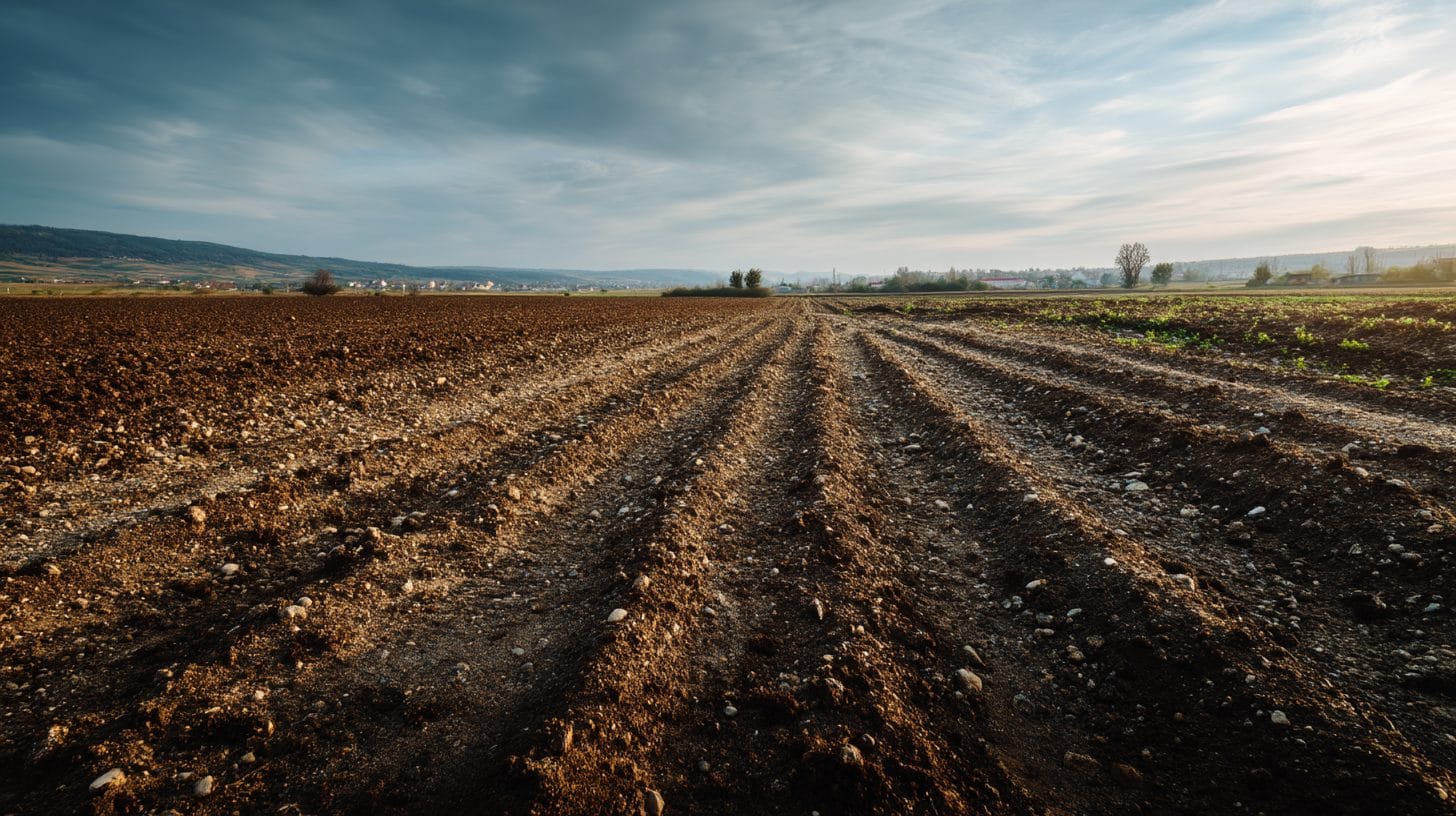
When it comes to investing in land in Romania, one crucial aspect that often gets overlooked is the soil quality. Soil quality evaluation is an essential process that can significantly impact the potential agricultural productivity, environmental health, and overall usability of the land you are considering purchasing. This comprehensive guide will walk you through the key considerations for soil quality evaluation when buying land in Romania, ensuring that you make an informed decision that aligns with your objectives.
Understanding Soil Quality in Romania
Soil quality refers to the ability of soil to function within its natural or managed ecosystem. It is critical for agricultural production, water filtration, and nutrient cycling, and it supports various plant species and wildlife. Romania’s diverse geography encompasses a range of soil types, from the fertile plains of the Great Plain to the more challenging hilly and mountainous areas. Each soil type has its unique characteristics, which can significantly influence land use and farming productivity.
The Importance of Soil Quality Evaluation
When buying land in Romania, assessing the soil quality is essential for several reasons. Firstly, high-quality soil can yield better agricultural outputs, ultimately affecting profitability for farming-related ventures. Secondly, understanding soil composition and health can help prevent land degradation and ensure sustainable land-use practices. Lastly, soil quality can influence long-term property values, making it an important factor for prospective land buyers.
Key Factors to Consider in Soil Quality Evaluation
To conduct a thorough soil quality evaluation for land in Romania, consider the following key factors:
1. Soil Texture and Composition: The texture of the soil determines its ability to hold water and nutrients. Analyze the proportions of sand, silt, and clay in the soil. A well-balanced mix, commonly referred to as loam, is often ideal for agriculture.
2. Soil pH: The pH level of the soil affects nutrient availability. Most crops thrive in soil with a pH between 6.0 and 7.5. Test the soil to determine its pH and assess whether any amendments are necessary to optimize crop production.
3. Organic Matter Content: Healthy soil contains a significant amount of organic matter, which improves soil structure, enhances moisture retention, and supports microbial activity. Evaluating the organic matter content can provide insight into the soil’s fertility and overall health.
4. Nutrient Levels: Essential nutrients such as nitrogen, phosphorus, and potassium are critical for plant growth. A comprehensive soil test will reveal nutrient levels and any deficiencies that need to be addressed.
5. Soil Drainage: Evaluate the drainage capacity of the soil. Poorly drained soils can lead to root rot and disease in crops, while well-drained soils are less prone to these issues.
6. Compaction and Erosion: Soil compaction restricts root growth and water infiltration, while erosion can lead to the loss of topsoil. Assess the land for signs of compaction and erosion to determine its viability for agricultural endeavors.
7. Local Climate and Land Use History: Understanding the local climate and the previous land use can provide additional context for soil quality. Lands that have been used for intensive agriculture may have experienced soil degradation, whereas untouched forests may have higher organic content.
Methods for Soil Quality Evaluation
There are several methods for conducting a soil quality evaluation, ranging from simple field tests to comprehensive laboratory analyses.
1. Visual Inspection: Begin with a visual assessment of the soil. Look for signs of erosion, compaction, and overall soil health, such as the presence of diverse vegetation.
2. Soil Testing Kits: Home soil testing kits are widely available and allow you to evaluate essential parameters such as pH, nutrient levels, and organic matter content. These kits provide fast results and are cost-effective for initial assessments.
3. Professional Soil Testing: For a thorough evaluation, consider hiring soil scientists or agricultural experts who can perform detailed laboratory tests. They can analyze the soil’s texture, composition, nutrient levels, and other critical parameters that may be challenging to assess personally.
4. Engaging Local Agricultural Extension Services: Local agricultural extension services in Romania often provide resources, guidance, and soil testing services. They can offer valuable insights into soil quality based on regional data and expertise in local agricultural practices.
Integrating Soil Quality Evaluation into Your Purchasing Process
Incorporating soil quality evaluation into your land purchasing process is essential for making wise investment decisions in Romania. Here are the steps to follow:
1. Research: Start by researching the local agricultural trends, soil types, and historical land use of the area where you are looking to buy. This foundational knowledge will guide your evaluation process.
2. Conduct Preliminary Assessments: Use visual inspection and simple soil testing kits to conduct preliminary assessments. Note any immediate red flags or areas of concern that may require further investigation.
3. Consult Experts: Where necessary, consult with soil experts or agricultural specialists who can provide deeper insights and conduct more sophisticated tests.
4. Review Test Results: Once you have acquired soil test results, evaluate the data in relation to your intended use of the land. If you plan on farming, consider the agricultural potential and what amendments may be needed for optimal growth.
5. Make Informed Decisions: Based on your comprehensive soil quality evaluation, make informed decisions about whether the land meets your needs or if you should continue your search for a more suitable property.
Taking Action on Soil Quality Issues
If your soil quality evaluation reveals concerning issues, do not despair. Several measures can be taken to improve the soil health:
1. Amendments: Add organic matter such as compost or manure to improve soil fertility and structure.
2. Crop Rotation: Implement crop rotation practices to enhance soil health and reduce nutrient depletion.
3. Cover Crops: Use cover crops to protect the soil from erosion and enhance organic matter levels during fallow periods.
4. Erosion Control Measures: Implementing practices such as contour plowing, terracing, and planting vegetation can help combat soil erosion.
5. Regular Monitoring: Establish a routine for monitoring soil health to proactively manage any issues that arise in the future.
Conclusion
In summary, soil quality evaluation is a critical component of the land-buying process in Romania. By understanding the importance of soil quality and adhering to recommended evaluation methods, prospective land buyers can make informed decisions that will benefit their agricultural and land-use objectives for years to come. Whether you’re an investor, farmer, or simply interested in owning land, a focus on soil quality evaluation will not only enhance your investment but will contribute to the sustainable management of Romania’s rich and diverse agricultural resources. Prioritize soil quality in your land acquisition endeavors, and unlock the full potential of your land investment.
Interested in Land Investment in Romania?
We specialize in high-yield land and property opportunities for serious investors.
VIEW OUR CURRENT PORTFOLIOSecure your investment with Land For Investors.

Published: April 10, 2025