

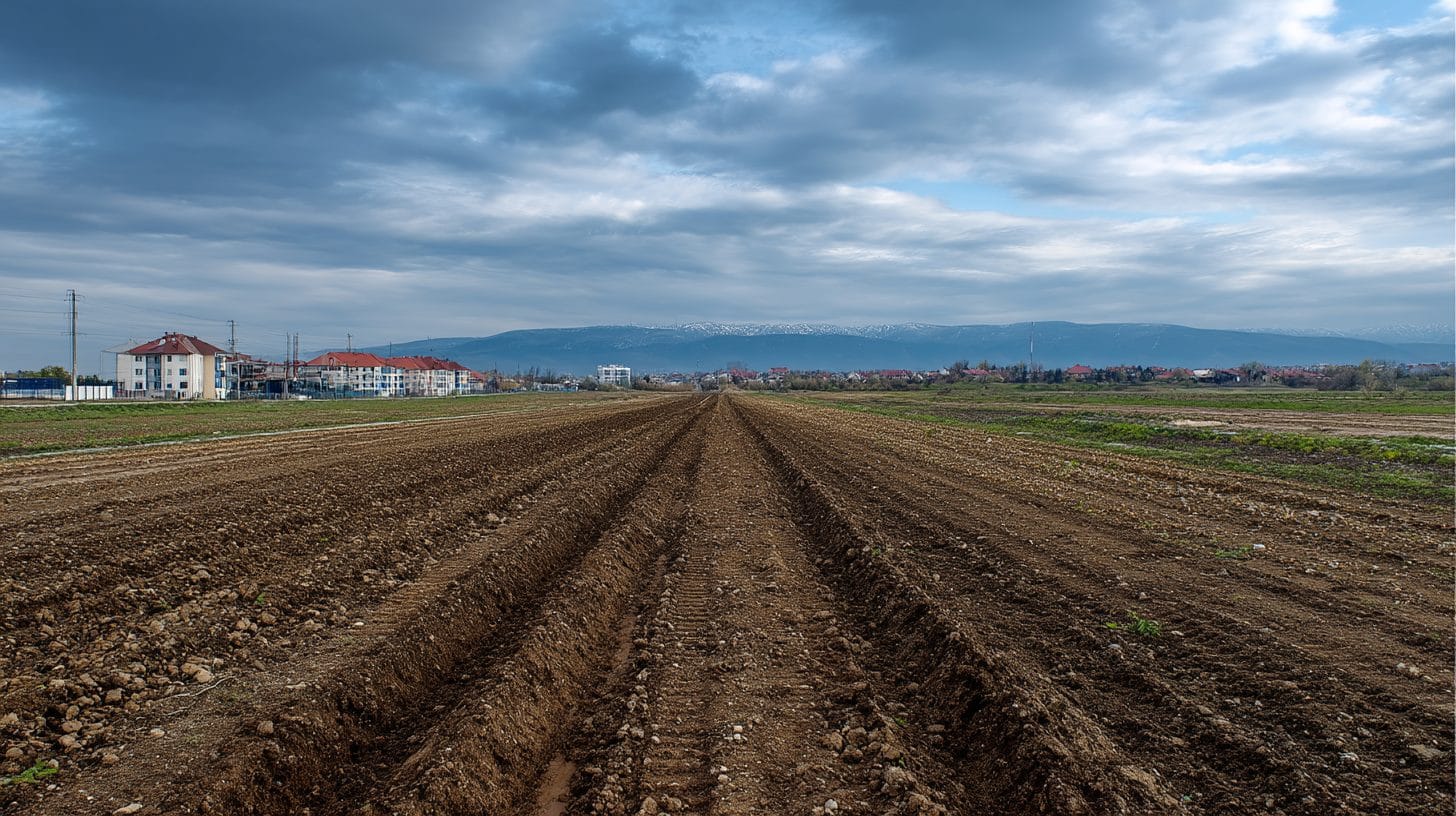
Title: How to Evaluate Land Subdivision Potential in Romania
The prospect of land subdivision is an enticing opportunity for investors and developers in Romania, a country rich in natural beauty, historical significance, and economic potential. Evaluating land subdivision potential in Romania requires a multifaceted approach that entails thorough understanding of local regulations, market conditions, infrastructure, and environmental considerations. This article will guide you through the critical steps involved in assessing land subdivision potential in Romania effectively.
Understanding Local Regulations
The first step in evaluating land subdivision potential in Romania is to familiarize yourself with the legal framework governing land usage. The Romanian Constitution and Land Law provide the overarching rules for property rights, land use, and subdivision processes. Understanding these laws is essential, as they differ significantly from one municipality to another. Thus, it is vital to consult local urban planning zoning regulations, which detail permissible uses for any given parcel of land.
Land subdivision is also subject to the General Urban Plan (PUG) and the Local Urban Plan (PUZ). The PUG outlines the strategic vision for the territory, while the PUZ details specific zoning regulations, including maximum building heights, plot coverage, and green spaces. A critical component of the subdivision evaluation process involves ensuring that the land complies with these plans. It is always recommended to engage with local authorities or consult with a legal expert specializing in real estate for clear guidance.
Market Conditions and Demand Assessment
Land subdivision potential in Romania is directly influenced by market conditions. A comprehensive market analysis helps you ascertain the demand and potential return on investment. Start by analyzing recent sales data for comparable properties in the area. This analysis should include the average price per square meter, the types of properties sold, and how long these properties remained on the market.
Understanding demographic trends is equally vital. The influx of populations into urban areas, for example, can significantly increase demand for residential subdivisions. Reviews of census data and reports from the National Institute of Statistics can offer insights into population growth, household sizes, and income levels in various regions.
Additionally, consider broader economic conditions, such as employment rates, infrastructure investments, and foreign direct investments. Romania has experienced significant economic growth in recent years, making certain regions more appealing for development. Evaluating development trends can further inform your project’s feasibility.
Infrastructure and Accessibility
The potential for land subdivision is greatly affected by the availability and quality of infrastructure. A comprehensive assessment of existing infrastructure—such as roads, transportation links, water supply, and sewage systems—is crucial.
Proximity to major roads and public transport facilities often enhances land value and desirability, making it easier to attract buyers and tenants for new developments. Local governments are investing in infrastructure improvements, especially in urban centers and areas designated for growth. Researching future infrastructure projects could provide significant insights into potential land subdivision opportunities.
Environmental Considerations
Any land subdivision must also consider environmental factors and regulations. Romania is home to diverse ecosystems, and areas designated as protected may impose restrictions on development. Before proceeding, consult the environmental impact assessments (EIA), which are mandatory for large-scale projects per EU regulations.
Moreover, an assessment should include land surveys to identify potential hazards such as flooding, soil degradation, or contamination. Understanding these risks will inform your design and development approach and may preclude certain uses for the property, thus impacting your overall subdivision plans.
Community and Stakeholder Engagement
Engaging with the community is increasingly important in Romania, as local sentiments can significantly affect development projects. Stakeholder engagement encompasses consultations with local authorities, citizens, and interest groups. Accumulating local insights may help anticipate objections and create a more appealing development proposal.
Public participation processes can also facilitate the planning of subdivisions that meet community needs, fostering goodwill and potentially smoother approval processes. Building positive relationships will aid in alleviating concerns regarding environmental or social impacts.
Financial Viability and Investment
Finally, the financial aspects of land subdivision cannot be overlooked. Conduct a detailed financial analysis to determine the viability of the subdivision project. This should include estimating development costs, potential resale value, financing options, and projected returns on investment. Engaging a financial analyst or real estate expert may offer insights into property valuations, which can be especially beneficial when navigating complicated market conditions.
Scenario modeling can also be valuable—consider various outcomes based on different levels of investment, price points, or market demand. This information will assist you in making informed decisions, managing risks effectively, and maximizing land subdivision potential in Romania.
Conclusion
Evaluating land subdivision potential in Romania is a complex process that requires a comprehensive understanding of legal, market, infrastructural, and environmental aspects. With Romania’s dynamic economy and ongoing urbanization, opportunities abound for those willing to navigate this intricate landscape. By conducting thorough due diligence, engaging with stakeholders, and employing sound financial practices, you can enhance your prospects for success in land subdivision ventures in Romania, ultimately contributing to sustainable development and economic growth in the region. Whether you are an investor, developer, or local policymaker, understanding these factors and methodologies will be crucial for tapping into the abundant land subdivision potential in Romania.
Interested in Land Investment in Romania?
We specialize in high-yield land and property opportunities for serious investors.
VIEW OUR CURRENT PORTFOLIOSecure your investment with Land For Investors.

Published: April 15, 2025