

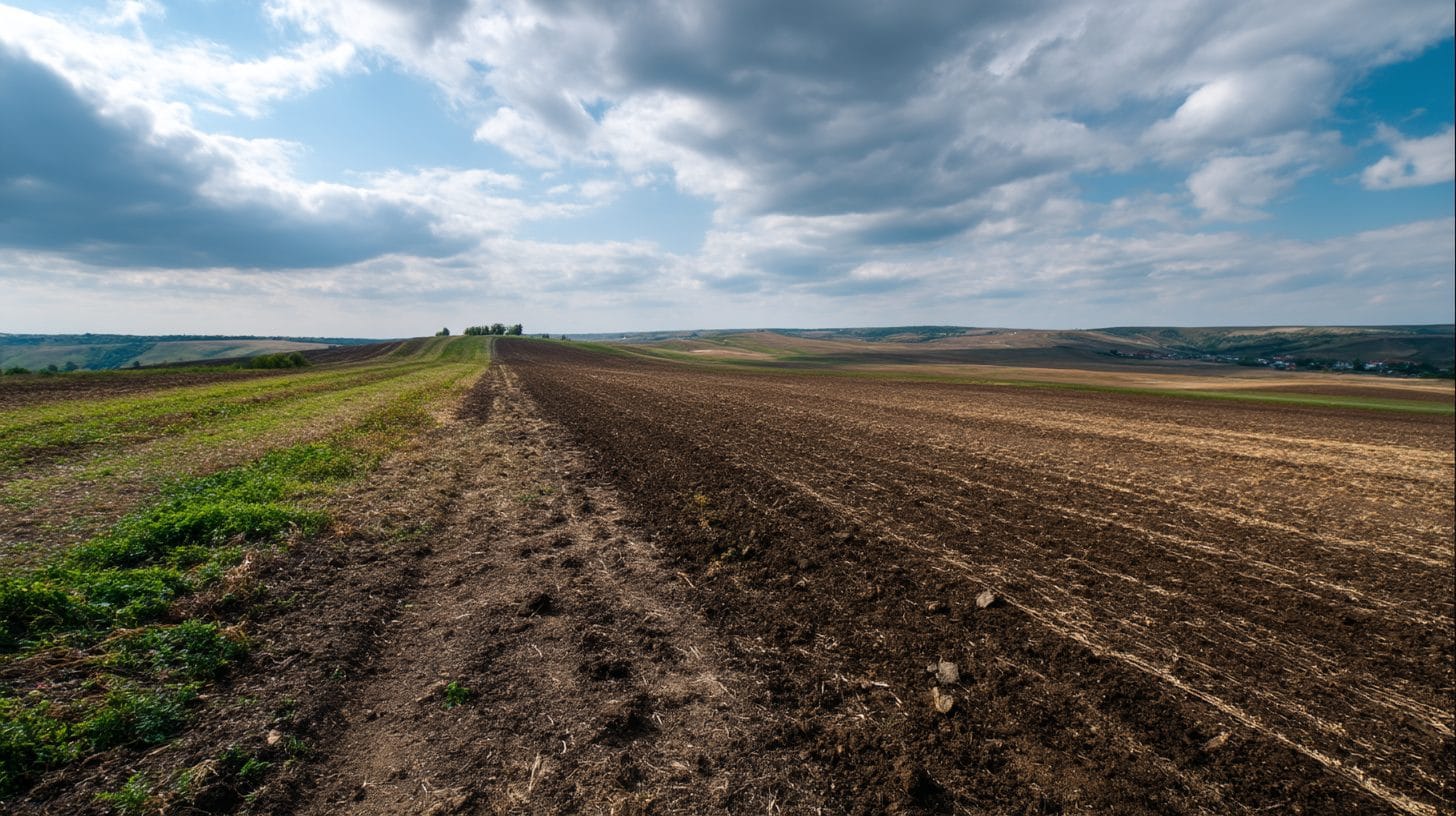
How to Evaluate Land for Commercial Development Near Bucharest
In recent years, Bucharest has emerged as one of the most desirable locations for commercial development in Eastern Europe. With its growing economy, increasing population, and improved infrastructure, the Romanian capital presents a wealth of opportunities for investors looking to enter the commercial real estate market. Evaluating land for commercial development in Bucharest involves several key factors that can influence the success of a project. In this comprehensive guide, we will outline the essential steps and considerations involved in assessing land for commercial development near Bucharest.
Understanding the Market Dynamics
Before diving into the specifics of land evaluation, it is crucial to understand the current market dynamics in Bucharest. The city has seen considerable growth in various sectors, including retail, office spaces, logistics, and mixed-use developments. Furthermore, the ongoing expansion of transportation networks, such as the metro system and road connections, has further enhanced the attractiveness of different areas for commercial development. Investors should conduct thorough market research, using reputable sources and local insights, to gain an understanding of demand trends and potential competition in the region.
Location Analysis
The location of the land plays a pivotal role in determining its suitability for commercial development. Factors such as proximity to major transportation hubs, ease of access to key roadways, and the surrounding infrastructure significantly impact the viability of a site. Potential developers should evaluate the following key aspects when analyzing the location:
1. Accessibility: Evaluate the ease of access for both customers and employees. Proximity to public transportation, major highways, and local amenities can be significant advantages for any commercial development.
2. Demographics: A thorough analysis of the local population is essential. Identify the target market for your commercial project, considering factors such as age, income levels, employment rates, and population density. This information will help gauge demand for specific commercial offerings.
3. Competitors: Assess the competitive landscape by identifying other businesses operating in the vicinity. Understanding the saturation level of a particular sector will help determine whether the site is suitable for a new commercial venture.
4. Zoning Regulations: Familiarize yourself with zoning regulations governing land use in the area. Consult the local authorities to check what types of commercial activities are permitted on the land you are considering. Different zoning classifications can have significant implications on your development plans and potential returns.
Site Characteristics
Once you have a clear understanding of market dynamics and location, it is necessary to carry out a thorough assessment of the individual site characteristics. Several factors must be taken into account:
1. Land Size and Topography: Assess the size of the parcel and its topography. The land should be large enough to accommodate your intended development while ensuring it aligns with local zoning requirements. Additionally, evaluate the land’s topography to determine any potential site preparation challenges, such as the need for grading or drainage solutions.
2. Utility Access: Check for access to essential utilities such as water, electricity, gas, and telecommunications. The availability of these services can significantly impact development costs and timelines, so conducting a utility assessment is vital.
3. Environmental Considerations: Evaluate environmental factors that could affect development, including soil stability, flood zones, and potential contamination. Engage with environmental consultants to conduct necessary assessments, including soil testing and ecological surveys, to avoid future complications.
4. Historic and Cultural Significance: Investigate whether the land has any historical or cultural significance, which may impact your development plans. Certain regulations may apply if the site is deemed to have historical value.
Financial Analysis
A financial analysis is crucial for gauging the feasibility of commercial development on the identified land. Key financial factors to consider include:
1. Acquisition Costs: This includes the purchase price of the land and any associated closing costs. Additionally, it is essential to account for potential costs related to land surveying, title insurance, and legal fees encountered during the acquisition process.
2. Development Costs: Create a detailed estimate of all construction costs, including materials, labor, permits, and licenses. Ensure that contingency funds are set aside to address unforeseen challenges that may arise during the development process.
3. Operating Costs: Once the project is completed, ongoing operating costs must be planned. Consider costs such as property management, maintenance, property taxes, insurance, and utilities.
4. Revenue Projections: Conduct thorough revenue projections based on rental income, expected foot traffic, and sales forecasts for retail operations. This information is vital for determining the project’s return on investment (ROI) and understanding its long-term financial viability.
Risk Assessment
The land commercial development market in Bucharest, like any market, carries inherent risks. Identifying, assessing, and planning for these risks is essential for the success of your development project. Key areas of risk to consider include:
1. Market Risks: Changes in market conditions, such as fluctuations in demand, economic downturns, or new competitors entering the scene, can impact your project’s profitability. Stay informed about macroeconomic trends and local market conditions.
2. Regulatory Risks: Changes in zoning regulations, permitting processes, or environmental laws can pose significant challenges. Keep abreast of pending legislation and engage with local planning authorities to understand upcoming changes.
3. Construction Risks: Delays in construction timelines or cost overruns can affect your bottom line. Develop a comprehensive project timeline and budget, and work with reputable contractors to mitigate construction risks.
4. Operational Risks: Factors such as changing consumer preferences, evolving competition, and potential tenant defaults may impact long-term performance. Conduct regular market research to stay informed about changing dynamics and adjust strategies accordingly.
Consulting Professionals
While it is possible to evaluate land for commercial development independently, engaging with experienced professionals can provide valuable insights and expertise. Consider collaborating with:
1. Real Estate Consultants: They can assist with market analysis, financial assessments, and help navigate the complexities of land acquisition.
2. Surveyors and Engineers: Professional surveyors can assess land boundaries and topography, while engineers can evaluate site readiness for development.
3. Legal Advisors: Working with a legal professional experienced in commercial real estate can help ensure compliance with zoning regulations and mitigate legal risks associated with land development.
4. Environmental Consultants: They can conduct essential assessments to ensure your development aligns with environmental regulations, reducing risks associated with contamination or ecological concerns.
Conclusion
Evaluating land for commercial development in Bucharest requires a multifaceted approach that takes into account market dynamics, location advantages, site characteristics, financial considerations, and risk assessments. By following these guidelines and seeking the expertise of industry professionals, you can make informed decisions that enhance the likelihood of success for your commercial development projects. As Bucharest continues to thrive as a hub for economic growth, well-executed commercial developments will undoubtedly contribute to its dynamic urban landscape and provide lucrative opportunities for investors in the years to come.
Interested in Land Investment in Romania?
We specialize in high-yield land and property opportunities for serious investors.
VIEW OUR CURRENT PORTFOLIOSecure your investment with Land For Investors.

Published: March 13, 2025