

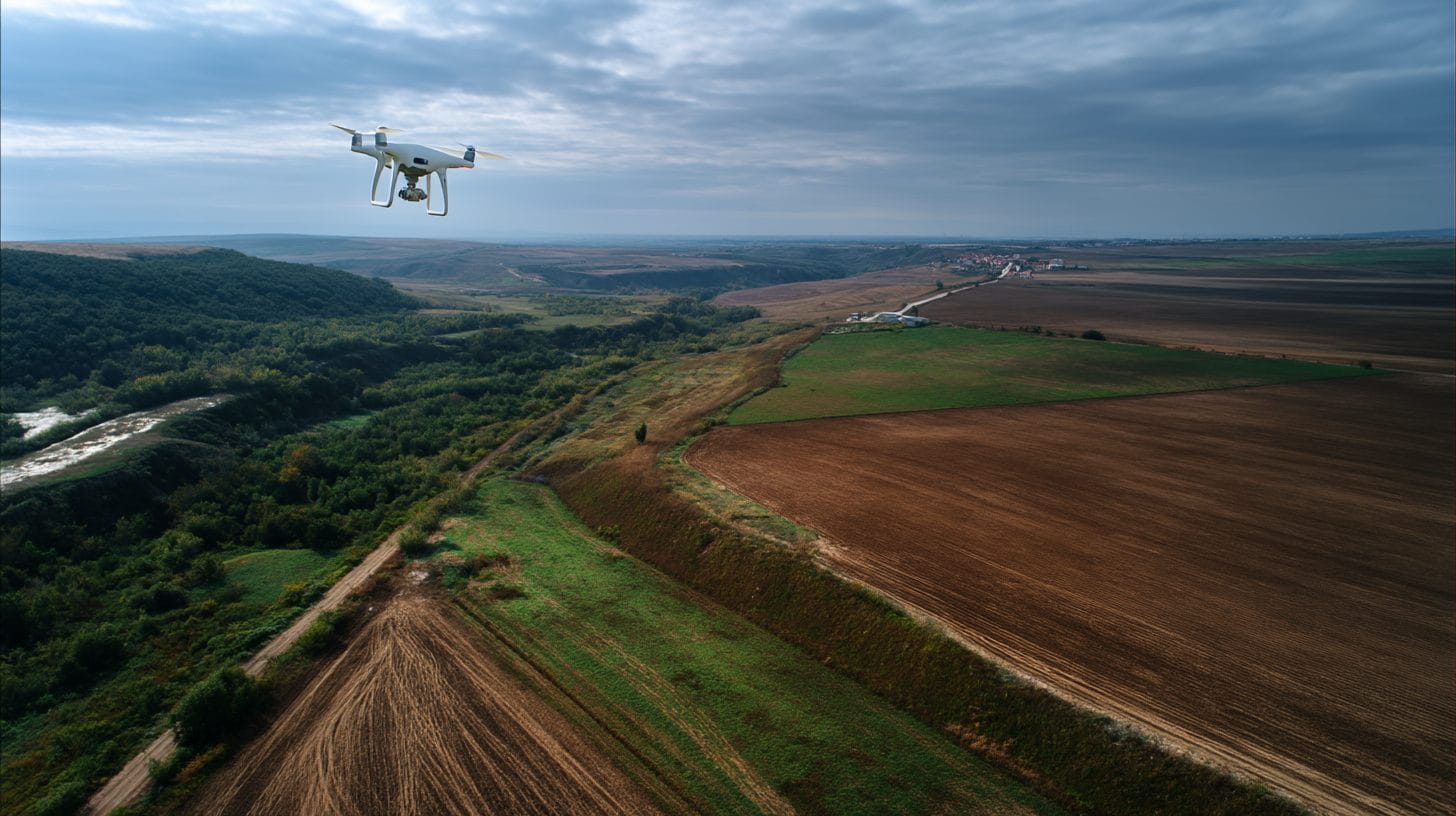
When considering purchasing land in Romania, one of the most critical factors to evaluate is accessibility and road connectivity. The importance of this factor cannot be overstated, as it significantly impacts not only the value of the land but also its potential for development, accessibility for residents, and the overall quality of life in the area. In this detailed guide, we will explore how to evaluate accessibility when purchasing land in Romania, the various transportation networks in the country, and the tools and resources available to facilitate this evaluation.
Accessibility is a multifaceted aspect of land assessment that encompasses both physical and practical dimensions. For potential land buyers, assessing accessibility encompasses understanding the proximity to key amenities, analyzing the surrounding transport networks, and determining the potential for future development. In Romania, this evaluation should take into consideration several criteria, including the distance to urban centers, the quality of existing roads, the availability of public transportation, and future infrastructure projects.
First and foremost, evaluate the proximity of the land to urban centers. Access to major cities such as Bucharest, Cluj-Napoca, and Timișoara not only increases the convenience of living in that area but also influences property values. A piece of land located within a reasonable distance from these urban centers can benefit from proximity to jobs, schools, healthcare, and entertainment options. Therefore, measuring the distance to the closest city and considering the travel time required to get there via different means of transportation is crucial.
Next, analyze the quality of existing roads and their connectivity to the rest of the region. Romania’s road infrastructure is diverse, with a mix of well-maintained highways and rural roads that may be in varying conditions. The key highways that connect different regions, such as the A1 (which runs from Bucharest to the border with Hungary) and the A3 (connecting Bucharest to the border with Ukraine), are particularly vital for accessibility. Ensure that the land you are considering has easy access to these major roads, as this will significantly enhance connectivity to other regions in the country.
Public transportation is another important facet when evaluating accessibility in Romania. While urban centers tend to have well-established transport networks, including buses, trams, and metro services, rural areas may have limited options. When purchasing land outside urban areas, assess the availability and reliability of public transport services. Knowing the frequency of buses or trains, their connections to essential services, and the proximity of the land to the nearest public transport stations will provide a fuller picture of the accessibility.
Future infrastructure projects should also be factored into your evaluation of land accessibility in Romania. Development plans, such as the construction of new roads, highways, or railway lines, can significantly improve accessibility over time. Researching ongoing and proposed infrastructural developments in the region can provide insights into the long-term viability of the land for investment. The Romanian government, along with various EU funding initiatives, often releases plans for infrastructural improvements, so staying informed on these developments can be advantageous.
Local regulations and development plans also play a crucial role in determining the connectivity of a particular area. Each city and municipality in Romania may have specific zoning regulations or development restrictions that impact land use. Engaging with local planning authorities can provide valuable insights into what projects are allowed and what transport infrastructure improvements are planned for your area of interest. Understanding these regulations will not only help in confirming the current accessibility but also in predicting how it might change over time.
Additionally, leveraging technology can enhance your ability to evaluate accessibility in your potential purchase of land in Romania. Geographic Information Systems (GIS) can assist in mapping out transport routes, measuring distances to essential services, and providing visual insights into the accessibility of the land. Furthermore, various online platforms offer detailed maps and infrastructure overviews that can aid in conducting a comprehensive evaluation.
Moreover, engaging with local real estate experts, land surveyors, and urban planners can offer valuable perspectives on the accessibility of land in Romania. These professionals have local knowledge and experience that can uncover nuanced details about an area’s connectivity that may not be apparent through general assessments or reports.
In conclusion, evaluating accessibility and road connectivity when buying land in Romania is a fundamental step that can significantly influence your investment decision. By considering proximity to urban centers, assessing road quality and public transport options, researching future infrastructure developments, and consulting with local experts, buyers can make informed choices regarding their land purchases. Whether you’re seeking land for residential purposes, agricultural development, or commercial investment, taking the time to thoroughly evaluate accessibility will pay off in the short and long term. With Romania’s evolving infrastructure landscape and its strategic location in Eastern Europe, conducting a detailed evaluation of accessibility related to the land you wish to buy is essential for success in your real estate endeavors.
Interested in Land Investment in Romania?
We specialize in high-yield land and property opportunities for serious investors.
VIEW OUR CURRENT PORTFOLIOSecure your investment with Land For Investors.

Published: April 11, 2025