

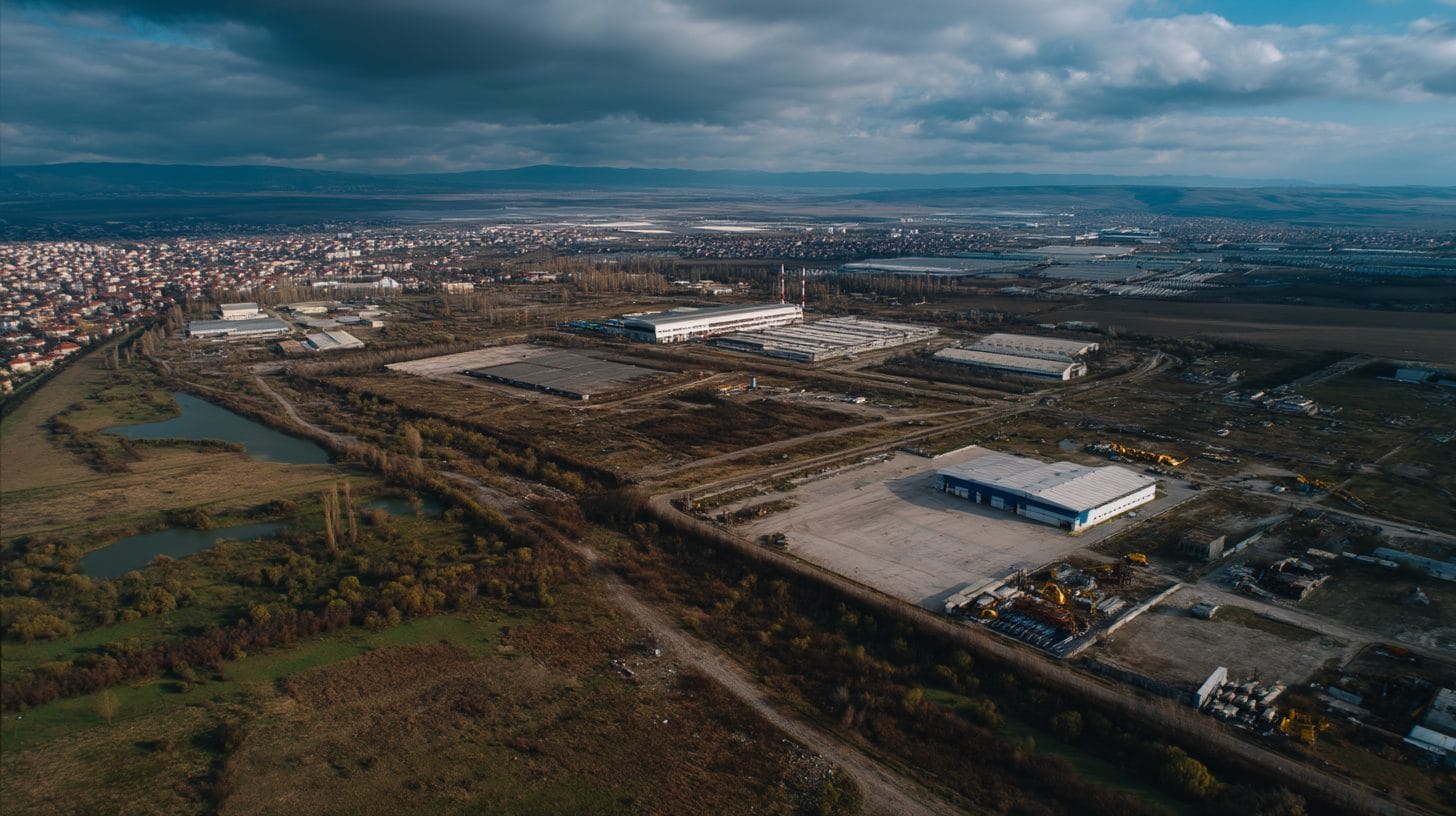
How to Create a Strategic Real Estate Investment Roadmap for Romania
Entering the realm of real estate investment in Romania presents a multitude of opportunities, as the nation’s economic landscape continues to evolve. From its dynamic urban centers to the picturesque countryside, Romania holds promise for seasoned investors and newcomers alike. However, creating a robust real estate investment roadmap Romania requires careful planning, thorough market analysis, and strategic foresight. The following comprehensive guide outlines the necessary components to help you structure a successful investment strategy.
1. Understand the Romanian Real Estate Market
Before embarking on any investment venture, familiarize yourself with the current state of the Romanian real estate market. Factors such as economic growth, population demographics, employment trends, and infrastructure development significantly affect property values and investment potential.
Romania has experienced substantial economic growth in recent years, bolstered by foreign investment, increased demand for both residential and commercial properties, and improved infrastructure. Major cities like Bucharest, Cluj-Napoca, and Timisoara are at the forefront of this growth, attracting international investments and stimulating demand for housing and commercial spaces.
Stay up-to-date with local market trends by subscribing to industry reports, joining real estate associations, and networking with local professionals. Understanding Romania’s regional dynamics will enable you to identify high-potential investment locations.
2. Define Your Investment Goals
Establishing clear investment goals is a critical first step in developing your real estate investment roadmap Romania. What are you hoping to achieve? Are you primarily focused on rental income, capital appreciation, or a mix of both? Your investment objectives will help in determining the type of properties you should target, the financing methods to utilize, and the timeframe for your investments.
For instance, if you are seeking long-term rental income, investing in residential properties in growing urban areas may be ideal. Conversely, if your goal is capital appreciation, you may consider commercial properties in up-and-coming neighborhoods.
3. Conduct Thorough Market Research
Market research is crucial in identifying lucrative real estate niches in Romania. Start by analyzing historical data on property prices, rental yields, occupancy rates, and demographic trends. Pay close attention to factors that can impact demand, like the economic climate, local infrastructure projects, and changes in zoning laws.
Your research should also include competitor analysis. Understanding who your competition is, what they offer, and their pricing strategy will help you position your investments effectively. Utilize online property platforms, industry reports, and local real estate agents to gather insights into market trends and specific property performance.
4. Establish Your Investment Budget
Developing a realistic budget is imperative for the success of your investment journey. Consider not only the purchase price of the property but also associated costs such as taxes, maintenance, property management fees, and potential renovation costs. In Romania, purchasing property may involve certain fees, including notary fees, registration fees, and local taxes.
Also, evaluate your financing options. In Romania, various lending institutions offer real estate loans, but the criteria and terms can differ. Understand your creditworthiness, potential down payment requirements, and the interest rates associated with different lenders.
5. Identify the Right Property Type
Once you have established your investment budget, it is time to define the property type that aligns with your goals. In Romania, there are diverse property types to consider, including residential, commercial, industrial, and mixed-use developments.
Residential properties, such as apartments and single-family homes, are typically favored for long-term rental income, especially in urban centers with a growing expatriate community and student population. Commercial properties, including office spaces and retail shops, can offer higher returns but may involve more risk and management complexity.
Assess the pros and cons of each property type and align your choice with market demand. For instance, if you opt for residential property, ensure there’s a steady influx of tenants and a demand for rental units within the locale you choose.
6. Establish an Investment Timeline
Time is an essential consideration in any real estate investment roadmap Romania. Define your investment horizon, and determine the duration you plan to hold the property before seeing a return on your investment.
Consider short-term investments, such as flip properties that require renovation and resale within a year, or long-term holdings that provide steady cash flow over time through rental income. Your investment timeline will influence your financing strategy and property management approach.
7. Engage Local Experts
Building a network of experienced local real estate professionals is a pivotal aspect of your investment roadmap. Engage with real estate agents, property managers, attorneys, and accountants who are knowledgeable about the Romanian market. Their insights will be invaluable in navigating regulatory requirements, market trends, and the day-to-day management of your property.
Local experts can help you assess property values accurately, negotiate deals, and identify potential pitfalls—an essential step to mitigate risks in your investment strategy.
8. Review Legal Considerations
Every real estate investor must navigate the legal aspects of property acquisition in Romania. Familiarize yourself with the legal framework surrounding investments, property rights, ownership regulations, and taxation policies.
Foreign investors, for example, must comply with specific regulations that could impact purchase eligibility and ownership structures. Consulting with a local attorney specialized in real estate law can provide you with the necessary guidance to ensure compliance, mitigate tax liabilities, and understand the implications of property ownership.
9. Develop a Marketing Strategy
If your investment focuses on rental properties, developing a marketing strategy is crucial for attracting tenants. Define your target audience and tailor your marketing efforts accordingly. Online platforms, social media channels, and real estate listings can significantly amplify your property’s visibility.
Ensure your property is presented professionally, with quality photographs and compelling descriptions that highlight the features and benefits of the investment. Consider offering promotional rentals or flexible lease terms to entice potential tenants in a competitive market.
10. Monitor and Adapt Your Strategy
Finally, a successful real estate investment roadmap Romania requires ongoing evaluation and adaptation. Keep a close watch on market conditions, regulatory changes, and economic developments that may affect your investments. Regularly reassess your investment portfolio to determine whether your strategy remains aligned with your goals.
Be prepared to pivot your approach if market conditions shift. Whether it requires revising your tenant management strategy, diversifying your portfolio, or even selling underperforming properties, staying proactive will enhance your long-term success.
Creating a strategic real estate investment roadmap Romania requires meticulous planning, market understanding, and flexibility. By following these steps, you can formulate a comprehensive strategy that aligns with your investment goals, ultimately leading to a successful and fruitful real estate venture in Romania. Embrace the opportunities this dynamic market offers, and use this guide to navigate the complexities of real estate investment with confidence.
Interested in Land Investment in Romania?
We specialize in high-yield land and property opportunities for serious investors.
VIEW OUR CURRENT PORTFOLIOSecure your investment with Land For Investors.

Published: April 9, 2025