

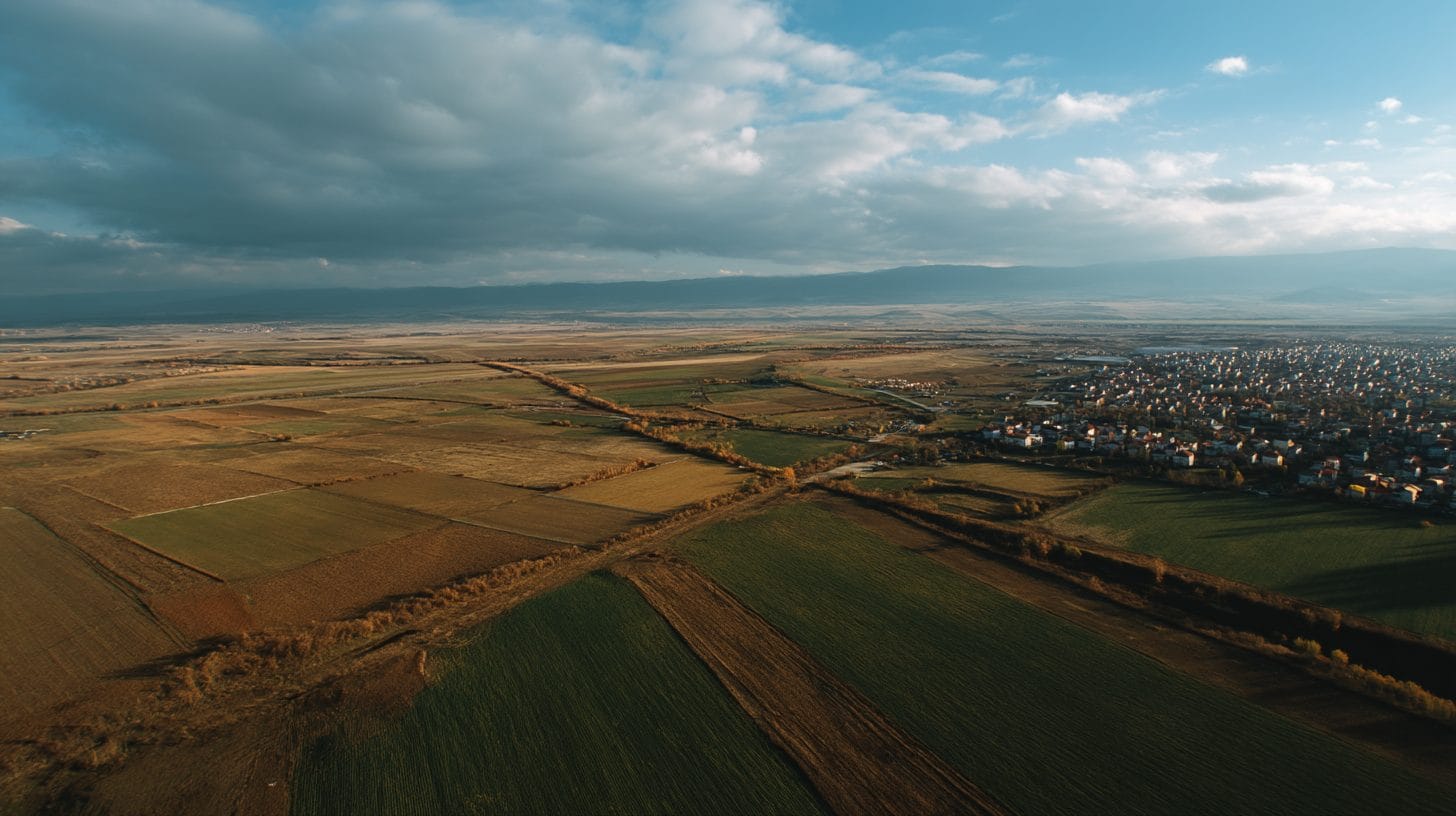
How to Create a Land Purchase Budget That Fits Your Investment Goals in Romania
Investing in land is a significant decision, especially in a dynamic market like Romania, which boasts a rich history, diverse landscapes, and emerging economic potential. Establishing a comprehensive land purchase budget that aligns with your investment goals is essential for ensuring a successful transaction and optimizing your returns. In this article, we will delve into the essential elements to consider when creating a land purchase budget tailored to your investment objectives in Romania.
Understanding Your Investment Goals
Before embarking on your land purchase journey, it is crucial to define your investment goals clearly. Are you looking for long-term appreciation, immediate income generation through leasing, or developing property for resale? Each goal will necessitate a different approach to budgeting and financial planning.
1. Long-term appreciation: If your primary objective is to capitalize on property value over time, consider the location of the land and projected market trends. Research potential areas for growth, infrastructure developments, and urbanization plans that could contribute to an increase in value.
2. Income generation: For those seeking to generate income from leasing or agricultural ventures, assess the land’s current condition, soil quality, and access to water sources. This will inform your budget not just for the land purchase, but also for any necessary improvements or maintenance.
3. Development for resale: If you intend to develop the land for future resale, factor in the costs associated with construction, permits, and compliance with local regulations. These factors can significantly impact your overall budget and investment timeline.
Assessing Your Financial Situation
Once your investment goals are defined, the next step is to evaluate your financial situation. This includes reviewing your available capital, financing options, and understanding any additional costs associated with land purchases in Romania.
1. Available capital: Determine how much cash you can allocate to the purchase and what portion will be financed. Having a clear understanding of your financial capabilities is key to creating a realistic budget.
2. Financing options: Investigate various financing avenues, including traditional bank loans or credit unions, private lenders, and government programs designed to support real estate investments. Understanding the terms and interest rates associated with each option will help you make an informed decision.
3. Additional costs: Beyond the purchase price, consider other costs associated with buying land in Romania, such as taxes, legal fees, notarization, registration costs, and potential land improvement expenses. Understanding these factors will ensure that your budget is comprehensive and realistic.
Researching the Market
To create an effective land purchase budget that aligns with your investment goals in Romania, you must conduct thorough market research. Analyze recent land sale trends, average prices in desired areas, and any changes in zoning laws or regulations. This research will provide valuable insights and guide your budgeting decisions.
Several tools and resources are available to facilitate your market analysis. Online real estate platforms, local property listings, and government publications on land use and value trends can augment your research. Additionally, networking with local real estate agents, property developers, and investors can offer practical advice and firsthand knowledge of market dynamics.
Creating a Detailed Budget
With your investment goals clearly defined, your financial situation assessed, and market research completed, you can now create a detailed land purchase budget. This budget should encompass several key components:
1. Purchase price: This is the primary expense and should be based on current market values for the area you are considering. Be meticulous in comparing similar properties to arrive at a fair purchase price.
2. Closing costs: Account for expenses such as notary fees, registration fees, and property taxes that may be applicable during the purchasing process. Closing costs can range from 3% to 10% of the property price in Romania, making it crucial to include them in your budget.
3. Legal and due diligence fees: Engage a reliable lawyer to assist with the legal aspect of the land purchase; therefore, budget for their professional fees. Additionally, consider costs for conducting due diligence, such as title searches and surveys, to confirm the land’s legal status.
4. Development and improvement costs: If your investment goals involve development, outline potential costs for necessary improvements and site preparation. These may include utilities installation, landscaping, and construction costs. Ensure you leave room in your budget for unexpected expenses that often arise during development projects.
5. Financing costs: If you are financing your land purchase, be prepared to budget for interest payments, application fees, and other charges associated with your loan. Understanding these costs upfront will help you avoid surprises down the road.
6. Ongoing costs: Consider the recurring expenses of land ownership, including property taxes, insurance, maintenance, and potential landscaping or farming costs. This aspect of budgeting is often overlooked but essential for maintaining profitability.
Revising and Adjusting Your Budget
Creating your initial land purchase budget is just the beginning. Keep in mind that real estate markets, financial situations, and personal investment goals can change. It is vital to regularly revisit and adjust your budget as necessary. Be adaptable and responsive to new information or changes in circumstance, and ensure your investment remains aligned with your financial goals.
Maximizing Returns on Your Investment
A well-structured land purchase budget allows you to make informed decisions that align with your investment goals in Romania. Once your land is acquired, consider utilizing different strategies to maximize your returns:
1. Hold and appreciate: If your goal is long-term gains, consider holding the property for several years while its value appreciates. Stay abreast of local developments and market trends during this period.
2. Develop or lease: If you are pursuing immediate income generation, explore options for developing the land or leasing it to other parties. This may include agricultural use, commercial development, or residential building projects.
3. Resell for profit: If your strategy includes flipping properties, ensure your budget allows for improvements or renovations that could enhance the land’s value before resale.
Conclusion
Creating a land purchase budget that aligns with your investment goals in Romania is both a strategic and meticulous process. By understanding your objectives, assessing your financial situation, and conducting thorough market research, you can develop a detailed budget that lays the groundwork for future success. As you navigate the Romanian real estate landscape, remain flexible and be prepared to adapt your strategy as market conditions and personal financial scenarios evolve. This proactive approach will help you achieve your desired outcomes and secure the best investment possible in Romania’s vibrant land market.
Interested in Land Investment in Romania?
We specialize in high-yield land and property opportunities for serious investors.
VIEW OUR CURRENT PORTFOLIOSecure your investment with Land For Investors.

Published: April 12, 2025