

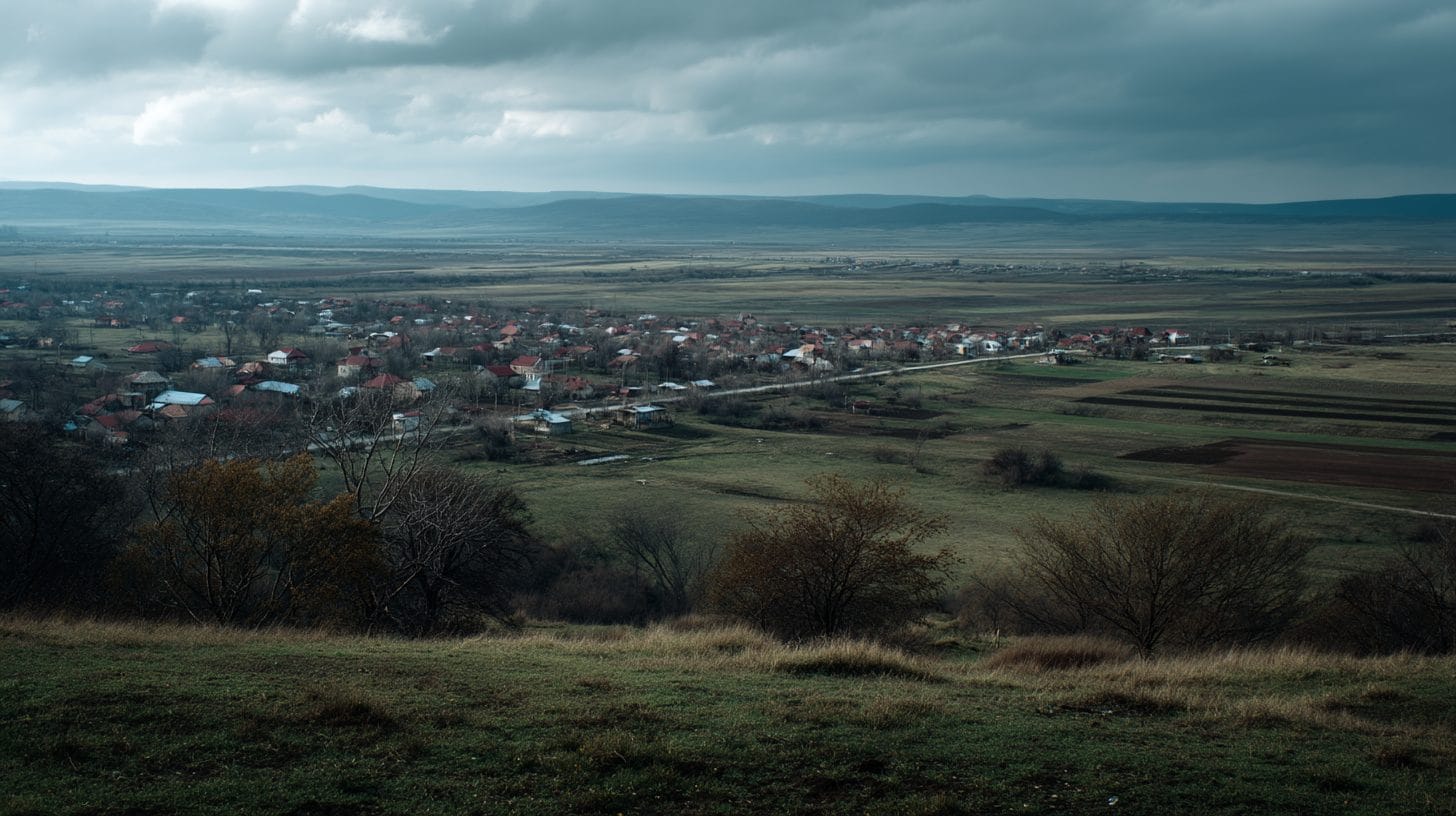
How to Compare Land Prices in Different Areas Near Bucharest
When it comes to real estate investments, particularly in the realm of land, understanding regional pricing dynamics is crucial. Bucharest, the vibrant capital city of Romania, has seen significant changes in its real estate landscape over the years. Many individuals and businesses are looking to compare land prices in various areas within the city and its surrounding regions. Knowing how to effectively compare land prices in Bucharest can help potential investors make informed decisions, aligning their budgets with the strategic considerations of location, infrastructure, and market trends.
As real estate emerges as a promising investment avenue, the demand for land in and around Bucharest is on the rise. However, the geographical diversity across the capital’s outskirts means that prices can fluctuate considerably. This article will guide you through the process of comparing land prices in different areas near Bucharest, detailing the essential considerations, methods, and tools for effective analysis.
Understanding the Context of Land Prices Around Bucharest
Before diving into the specifics of land price comparisons, it is essential to recognize the factors influencing land values in and around Bucharest. The dynamics of urbanization, the proximity to key amenities and infrastructure, local zoning regulations, and socio-economic trends play critical roles in determining land prices. Areas near Bucharest, such as Ilfov County and its municipalities (e.g., Voluntari, Otopeni, and Popești-Leordeni), vary significantly in price due to factors like accessibility, development level, and urban planning initiatives.
Transport networks greatly influence land values. For example, proximity to major roads, highways, and public transport options enhances accessibility and typically leads to higher prices. Certain areas near Bucharest that have access to the Bucharest Metro, for instance, may command premium prices due to their convenience for commuters.
Market trends and forecasts are intertwined with these geographic considerations. Analysts predict fluctuations based on supply and demand dynamics within the overall real estate market. Tracking these trends, especially in relation to economic developments, population growth, and employment opportunities in Bucharest, can provide valuable insights when comparing land prices.
Researching Land Prices in Specific Areas Near Bucharest
Identifying and analyzing land prices across different regions surrounding Bucharest requires a methodical approach. Here is a detailed framework to facilitate your research:
1. Analyze Recent Market Data: Real estate platforms, local agencies, and governmental resources often provide reports and listings of recent land transactions. Websites like Imobiliare.ro, OLX.ro, and local real estate forums can give an overview of asking prices, sold properties, and market trends. Collect data for at least six months to establish a clear picture of the pricing landscape.
2. Engage Local Real Estate Agents: Establishing relations with experienced real estate agents specializing in the Bucharest area can provide insider knowledge that is often not available through online platforms. Local agents are equipped with real-time insights and can help you compare land prices effectively by providing comparable property details.
3. Consider Zoning Regulations: Different areas may have varied zoning laws affecting the potential use of the land, which, in turn, impacts its price. Researching these regulations can help you identify the suitability of land for residential, commercial, or industrial developments, enabling you to make apples-to-apples comparisons.
4. Evaluate Infrastructure Projects: Keep an eye on planned infrastructure projects, such as new roads, transportation enhancements, or commercial developments. Areas earmarked for such projects often see a rise in land prices. Investigating local government plans can provide useful foresight into future valuations.
5. Financial Metrics: When comparing land prices, leverage metrics like price per square meter, land parcel dimensions, and comparative property values in the vicinity. This granular data helps contextualize the price you are evaluating against similar properties and allows for tangible comparisons across different regions.
6. Check Online Tools and Marketplaces: Utilize various online resources and platforms that specialize in aggregating real estate listings. Many platforms offer filtering capabilities that allow you to sort listings by size, price, location, and property features.
7. Attend Real Estate Expos and Auctions: Participating in real estate exhibitions and auctions can provide firsthand exposure to land prices. Networking with industry professionals at these events can enhance your understanding of market conditions and further aid in your price comparison process.
8. Leverage Local Networking Opportunities: Join local investment groups and attend community meetings to network with other investors and business owners. These gatherings can yield insights into pricing and may unveil investment opportunities accessible to a community of invested individuals.
Comparing land prices effectively demands an analytical mindset and attention to detail. Optimize your investment strategy by always keeping abreast of the latest developments in this ever-evolving market.
Negotiating Land Prices in Different Areas Near Bucharest
Once you have a firm grasp of the comparative land prices around Bucharest, the next step involves negotiation. Understanding the local market provides you leverage when discussing purchase terms. Keep the following suggestions in mind when negotiating:
1. Present Informed Arguments: Use the data you’ve gathered on similar land prices to argue your case for a specific price reduction or offered value. Providing comparable sales data can support your negotiations.
2. Be Wary of Overpricing: Sometimes property listings can be above market value due to owner expectations. When comparing land prices, remain vigilant against emotional pricing from sellers. Know your market position and negotiate firmly.
3. Assess Seller Motivation: Understanding why a seller is putting their land on the market can shed light on your negotiation position. If the seller is in a hurry, they may be more willing to negotiate on price.
4. Seek Professional Advice: Consider hiring a qualified negotiator or a property attorney to navigate complex transactions, especially concerning larger parcels of land or complicated deals.
5. Build Trust: Approaching negotiations with respect and professionalism can often lead to better outcomes. Building rapport with the seller may enable you to reach a mutually beneficial agreement.
Making the Final Decision
After conducting your extensive comparative analysis of land prices in various areas around Bucharest, the final step involves making an informed investment decision. Take into account not only the financial aspects but also the prospective future value of the area, potential for development, and personal or business needs tied to the land.
In summary, comparing land prices around Bucharest necessitates comprehensive research, understanding regional market dynamics, and strategic negotiation. By leveraging local resources, engaging with real estate professionals, and utilizing technological tools, investors can effectively compare land prices and make informed purchasing decisions. As the market continues to evolve, staying informed about the latest trends and insights can foster successful investment outcomes in the Bucharest real estate landscape. Properly navigating this process ensures that you position yourself advantageously within the competitive realm of land investment while maximizing potential returns.
Interested in Land Investment in Romania?
We specialize in high-yield land and property opportunities for serious investors.
VIEW OUR CURRENT PORTFOLIOSecure your investment with Land For Investors.

Published: March 12, 2025