

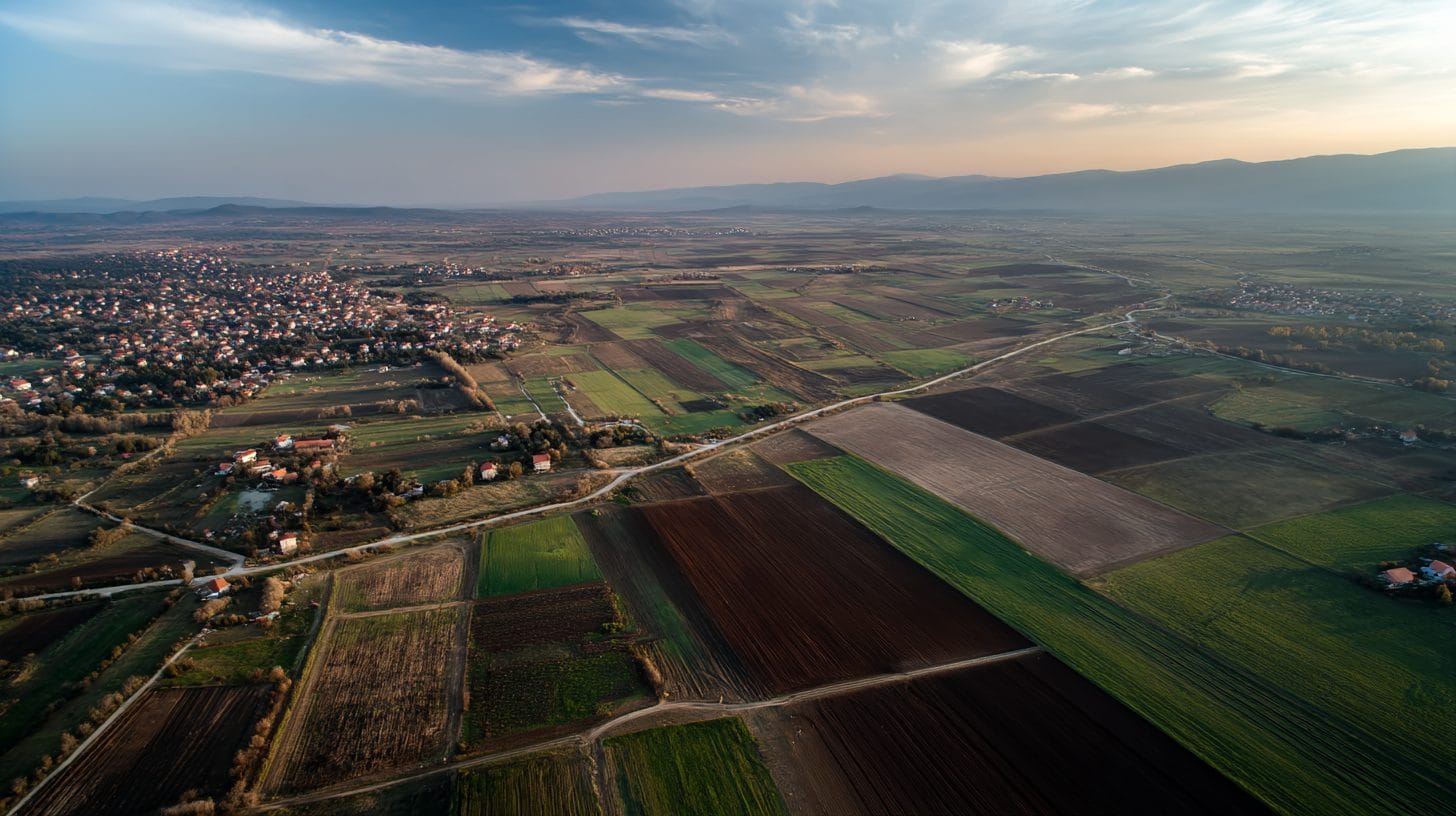
How to Compare Land Prices in Different Areas Near Bucharest
When it comes to purchasing land near Bucharest, understanding and comparing land prices is crucial in making an informed decision. Bucharest, the capital of Romania, has seen significant urban development over the years, leading to varying land prices across its surrounding areas. In this comprehensive piece, we will explore the factors influencing land prices, methods to effectively compare land prices near Bucharest, and the best practices for potential buyers.
Understanding Land Prices Around Bucharest
Land prices in any region are influenced by a multitude of factors, and Bucharest is no exception. As the capital city of Romania, Bucharest remains an economic hub attracting both local and foreign investment. Its proximity to the city center, infrastructure availability, local amenities, and zoning regulations all play a role in determining land prices.
To begin, it helps to identify the areas surrounding Bucharest that are experiencing growth. Cities like Ilfov County, with towns such as Otopeni, Voluntari, and Snagov, provide insights into the higher-valued land niches. These areas tend to have better connectivity to the city center, making them appealing for residential or commercial developments.
Different Factors Affecting Land Prices
1. Location: The prime factor affecting land prices is location. Areas closer to Bucharest generally tend to have higher land prices compared to those further away. The accessibility of public transportation, highways, and other infrastructure is also significant. Locations with well-established neighborhoods are likely to command higher prices as compared to undeveloped or less accessible regions.
2. Land Size and Type: The size of the land parcel contributes directly to price comparisons. Larger plots may offer better per-square-meter pricing than smaller ones. The type of land – residential, commercial, or agricultural – significantly influences its market value as well.
3. Local Amenities: Proximity to essential amenities such as schools, hospitals, shopping centers, and recreational facilities can enhance the value of the land. Areas with better-developed infrastructures may attract higher property prices, influencing the market dynamics.
4. Economic Development: Ongoing and upcoming developments in the region, such as new transport links or commercial establishments, can spur land prices. It is essential to stay updated on local development plans, as these can drastically affect market prices over time.
5. Market Trends: The current real estate market trend either influences the increase or decrease of land prices. Analyzing market reports and trends around Bucharest can provide essential insights into the fluctuations in land costs.
Comparing Land Prices Near Bucharest
To accurately compare land prices near Bucharest, buyers should employ various techniques to gather relevant data. Here are a few strategies to facilitate a more effective comparison:
1. Online Property Portals: Platforms that specialize in real estate listings often provide comprehensive insights into land pricing. Websites like Imobiliare.ro, OLX, and Storia.ro showcase various listings, allowing potential buyers to filter properties based on price, location, and land type. Utilizing these tools can assist you in gauging the average price per square meter across different regions.
2. Local Real Estate Agents: Establishing a relationship with local real estate agents who specialize in land sales can be immensely beneficial. They possess deep market knowledge, including historical prices and new developments that may not be broadly advertised. Their insights can often provide indicators of fair market value compared to current listings.
3. Property Auctions: Participating in property auctions can reveal underlying trends in land prices. Auction prices may reflect genuine market demand, unveiling potential bargains or inflated price points. By observing auction results, buyers can gather intelligence on typical pricing around the Bucharest region.
4. Government and Public Data: Various government agencies publish land pricing statistics, development plans, and zoning regulations that can influence land values. Engaging with local municipalities or exploring their online resources can provide valuable context about the pricing and regulations that govern land use in specific areas.
5. Networking with Other Buyers: Connecting with fellow real estate investors or buyers through forums and social media platforms can yield firsthand experiences and insights. Discussions in these networks could lead to valuable recommendations on areas you may not have considered, as well as market pricing discussions that may clarify your price assessments.
Best Practices for Buyers
While the methods mentioned above provide a framework for comparing land prices, implementing best practices can guide potential buyers towards making the right decision:
1. Define Your Budget: Before diving into land comparisons, establish a clear budget derived from your financial situation. This will help narrow your search and prevent emotional spending that could lead to regret later on.
2. Conduct Thorough Research: Undertake diligent research about the specific areas you are considering. This includes understanding demographic trends, crime rates, nearby developments, and any nearby factors that could influence property values positively or negatively.
3. Visit Potential Sites: Whenever possible, visiting prospective parcels of land allows you to better understand the environment, neighborhood, and local opportunities. Taking the time to walk the area and observe potential developments is incredibly valuable.
4. Assess Future Investment Potential: Always consider the long-term investment potential of the land. Areas experiencing significant development or infrastructure improvements are often a good bet for appreciation over time. Evaluate whether the neighboring regions align with your goals, whether they are for residential or commercial development.
5. Stay Updated: The real estate market in Bucharest and its surroundings can change rapidly. As such, staying informed on local news, economic changes, and property trends is essential for making sound investment decisions.
In conclusion, comparing land prices near Bucharest necessitates a judicious approach involving thorough research, data analysis, and practical assessment. By understanding the various factors that influence land pricing and employing appropriate strategies to compare options, you will be better equipped to make informed investment decisions. Whether seeking land for residential purposes or commercial ventures, a comprehensive comparison will ultimately lead to a successful land purchase in the dynamic Bucharest real estate market.
Interested in Land Investment in Romania?
We specialize in high-yield land and property opportunities for serious investors.
VIEW OUR CURRENT PORTFOLIOSecure your investment with Land For Investors.

Published: April 16, 2025