

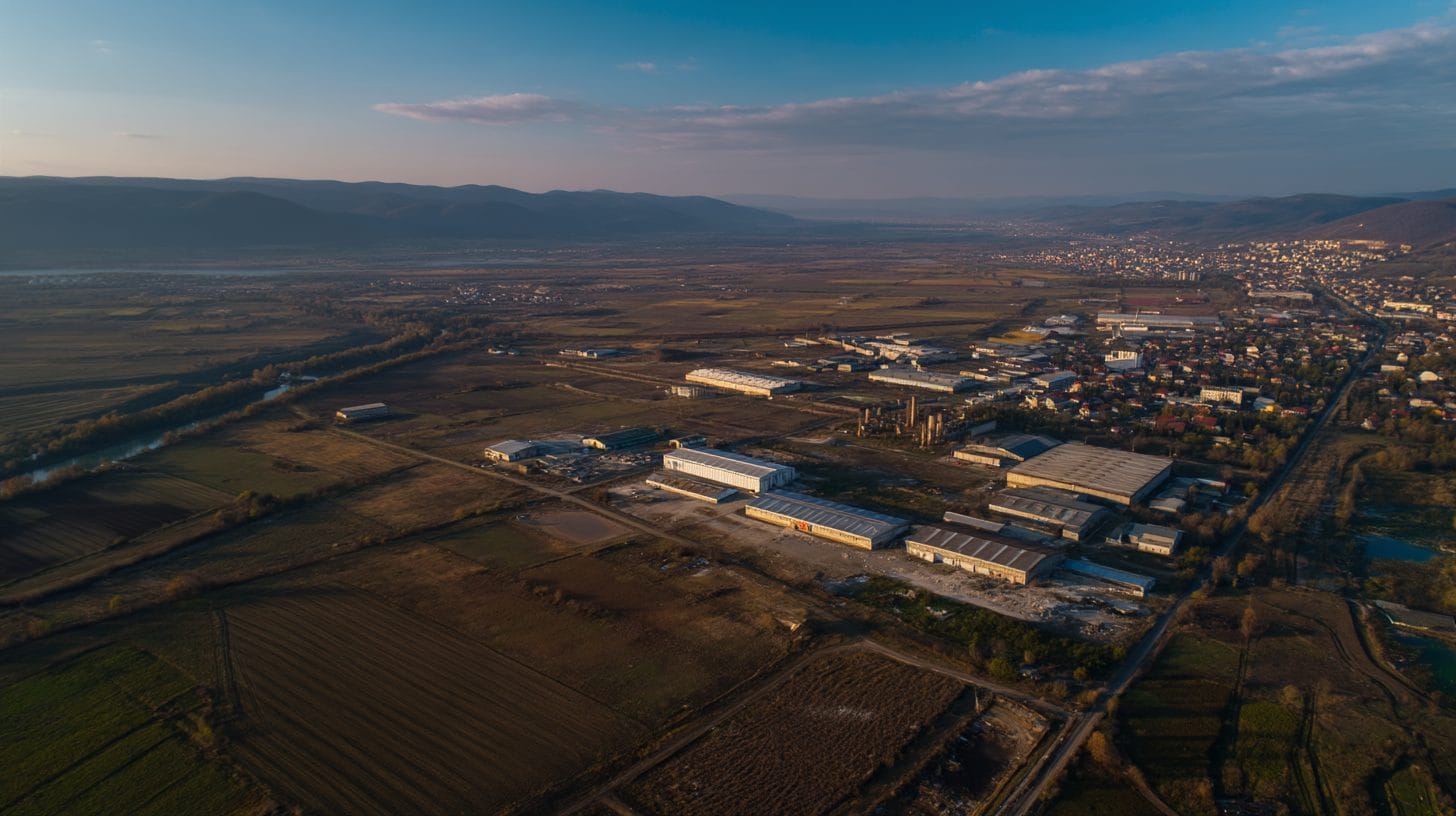
How to Choose the Perfect Land for Residential Development in Romania
Choosing the perfect land for residential development is a crucial task for investors, developers, and future homeowners in Romania. With the real estate market continuously evolving, the demand for residential properties is on the rise. To successfully choose residential land in Romania, one must navigate through various factors including location, zoning regulations, infrastructure, and market trends. This comprehensive guide seeks to provide a systematic approach to selecting the ideal parcel of land for residential development in Romania.
Understanding the Romanian Real Estate Landscape
Romania presents a unique blend of opportunities for residential development, influenced by urbanization, economic growth, and expanding infrastructural projects. Major cities like Bucharest, Cluj-Napoca, Timișoara, and Iași are witnessing an increasing influx of residents, prompting a surge in demand for residential properties.
When you choose residential land in Romania, you must consider the wider context of the real estate landscape. Familiarize yourself with current trends such as the types of residential developments that are thriving, whether single-family homes, multi-family units, or mixed-use developments. Understanding the nuances of the local real estate market will better equip you with the knowledge to make an informed decision.
Location is Key
One of the most critical factors when aiming to choose residential land in Romania is location. An ideal location encompasses several aspects, including proximity to essential services, transportation, and community amenities.
Accessibility is paramount. Look for land that is conveniently located near main roadways, public transport stations, and major highways. In Romania, regions with developing infrastructures, such as metro systems in Bucharest or tram lines in Cluj-Napoca, usually indicate a growing demand for residential properties.
Additionally, consider the availability of essential services such as schools, healthcare facilities, shopping centers, and recreational areas. Families seeking residential properties often desire access to quality schools and parks, which can influence demand in your favor.
Zoning Regulations and Land Use
Understanding zoning regulations in Romania is an essential step to choosing the right residential land. Zoning governs how land can be used and dictates the type of developments allowed in a given area.
Before committing to a purchase, check the zoning designation of the land. Each city or municipality in Romania has different zoning laws that may impact your development plans. With various zoning categories in place, such as residential, commercial, and mixed-use, it is vital to ensure that the land can be legally utilized for your intended residential development.
Visit the local urbanism office to examine the zoning plan, and consult with local authorities to understand any restrictions and requirements fully. This ensures that you select land that aligns with your development strategy and minimizes legal risks down the line.
Environmental Considerations
When choosing residential land in Romania, it’s essential to consider environmental factors. Avoid properties that are situated in flood zones or areas prone to natural disasters. Conducting a thorough environmental assessment can help identify potential issues that could complicate your residential development.
Additionally, take note of the site’s geography, topography, and soil quality. These characteristics may affect construction costs, landscaping options, and residential desirability. Properly evaluating the land’s natural features can greatly influence the success of your residential project.
Market Analysis
To choose residential land in Romania wisely, one must conduct a thorough market analysis. Research local real estate fluctuations, average property values, and development trends. Familiarize yourself with the target demographic—their preferences, income levels, and housing needs.
Understanding the area’s economic indicators is also critical. Economic stability often correlates with a robust real estate market, influencing property values and demand for residential land. Speak with local real estate agents, and gather professional insights through reports and market studies to gain a comprehensive understanding of the local market conditions.
Infrastructure Development and Growth Potential
Consider the potential for future growth in the area surrounding the land you are interested in. Economic and urban development plans, such as new infrastructure projects or government initiatives aimed at improving the area, can significantly increase property values.
Look for land parcels that are strategically positioned near planned developments, such as new transit lines, business districts, or technological hubs. These areas frequently experience rapid appreciation in residential demand as the population grows and infrastructure develops.
Consulting with Urban Planners and Real Estate Professionals
In your journey to choose residential land in Romania, consulting with urban planners and real estate professionals can provide invaluable guidance. Professionals possessing local knowledge can help you navigate complex regulations and market dynamics.
Establish relationships with real estate agents specialized in residential properties in the area. Their insights into current trends, neighborhoods, and opportunities can aid in making informed decisions. Additionally, collaborating with architects and land planners can assist in visualizing your development project’s potential and ensuring compliance with local requirements.
Financial Considerations and Budgeting
Before making a final decision on the land acquisition, assess your budget and financial options. Understanding the total costs associated with developing residential land is crucial, including land purchase price, taxes, and anticipated construction expenses.
Interest rates and financing options will influence your decisions. In a competitive market, it’s also advisable to factor in market competitiveness and potential return on investment (ROI). Evaluating various financial models can help determine the feasibility of your project, ensuring that you make a sound investment.
Engaging with the Local Community
Gaining acceptance and support from the local community can play a significant role in your residential development’s success. Conducting community meetings or outreach can help gauge the public’s perception of your project and its potential impact.
In Romania, community engagement is increasingly emphasized, and being proactive about addressing community concerns can enhance your project’s acceptance. Understanding the culture and lifestyle of the area can foster positive relationships and build trust within the community.
Conclusion
Choosing the perfect land for residential development in Romania requires diligent research and a strategic approach. By considering location, zoning, environmental factors, market analysis, and financial implications, you can pinpoint opportunities that align with your goals. Engaging with local professionals and the community can further enhance your development’s prospects. Ultimately, the process of choosing residential land in Romania is complex, but by following this structured guideline, you are better positioned to make informed and profitable investments in the evolving Romanian real estate market.
Interested in Land Investment in Romania?
We specialize in high-yield land and property opportunities for serious investors.
VIEW OUR CURRENT PORTFOLIOSecure your investment with Land For Investors.

Published: February 17, 2025