

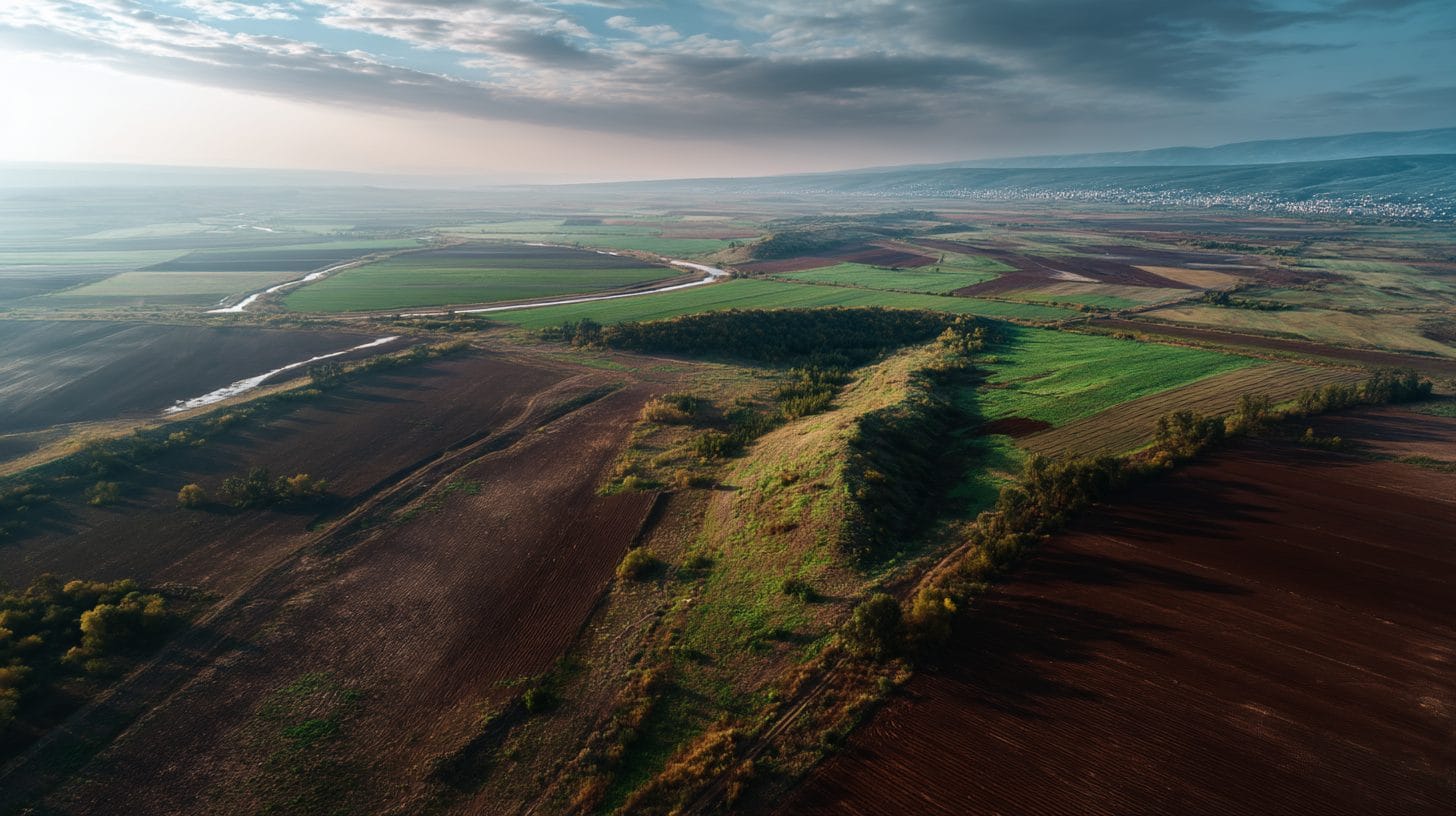
How to Build a Profitable Land Investment Business Focused on Lands Near Bucharest
In recent years, the real estate market in Romania, particularly around the capital city of Bucharest, has gained considerable attention from both local and international investors. The combination of economic growth, increased infrastructure development, and a rising demand for residential and commercial spaces has made it ripe for ambitious investors seeking to build a profitable land business near Bucharest. In this comprehensive guide, we will explore the fundamental steps, strategies, and considerations required to establish and operate a successful land investment business in this thriving region.
Understanding the Market Landscape
Before diving into the specifics of starting a land investment business, it is crucial to understand the current market landscape near Bucharest. The proximity to the capital city provides numerous advantages, including improved access to amenities, transportation, and premium developments. This demand is driven by a growing population, with many individuals and families seeking housing options away from the hustle and bustle of city life, but still desiring easy access to urban conveniences.
Researching various neighborhoods, land prices, zoning laws, and future development projects is essential. Investors should familiarize themselves with the factors that drive land prices, such as proximity to public transport, schools, commercial hubs, and recreational areas. Furthermore, keeping abreast of government policies and infrastructure projects will enable potential investors to identify opportunities that align with their business goals.
Identifying Your Niche
A profitable land business near Bucharest can take on many forms. Understanding which niche aligns best with your investment goals, risk tolerance, and expertise is pivotal. Possible niches include:
1. Residential Development: Acquiring plots for residential construction, such as single-family homes, townhouses, or apartments, can be lucrative, especially in areas experiencing population growth.
2. Commercial Land Investment: Investing in land designated for commercial use or mixed-use developments can be profitable as businesses seek space in growing neighborhoods.
3. Agricultural Land: As urban areas expand, the demand for agricultural land can lead to significant returns as land use regulations change and urban sprawl continues.
4. Raw Land: Purchasing undeveloped land may offer low entry costs with high appreciation potential if the region develops favorably.
5. Land Leasing: Acquiring land and leasing it for agricultural or commercial use can provide a steady revenue stream without requiring immediate development.
Creating a Solid Business Plan
Once you have determined your niche, the next step is drafting a comprehensive business plan. This document will serve as a roadmap for your land investment business. Your plan should encompass:
1. Market Analysis: What are the current trends? Who are your competitors? What are the projected future developments?
2. Investment Strategy: Define your strategy, including how you plan to source parcels of land, your acquisition criteria, and the criteria for determining profit margins.
3. Financial Projections: Analyzing projected expenses, potential income, and funding strategies will help you outline the financial viability of your business.
4. Marketing and Sales Strategies: Creating a marketing plan detailing how you will promote your land, reach potential buyers or tenants, and build relationships within the industry.
5. Exit Strategy: Establishing when and how you plan to exit an investment will help guide your decision-making process throughout your venture.
Building a Network of Professionals
In the real estate industry, relationships are invaluable. Building a network of professionals can provide critical support and enhance your chances of success. Consider partnering with:
1. Real Estate Agents: Experienced agents can offer insights into the local market and assist in identifying lucrative investment opportunities.
2. Property Managers: Engaging a property management firm can ease the burden of maintaining rental properties and managing tenants.
3. Legal Advisors: Expert legal guidance is vital for navigating land acquisition processes, ensuring proper zoning compliance, and drafting contracts.
4. Financial Advisors: Consult with professionals who can help you determine how much capital is needed, explore financing options, and structure your investment to maximize profits.
5. Contractors and Developers: Establish connections with contractors and developers to facilitate construction or improvement projects on acquired land.
Securing Funding
Building a profitable land business near Bucharest may require substantial capital investment. There are several funding options available, including:
1. Personal Savings: Utilizing personal funds can help you avoid debt and maintain control over your business.
2. Bank Loans: Traditional financing options can provide the necessary capital, but they often require a solid credit history and collateral.
3. Real Estate Partnerships: Partnering with other investors can enable the pooling of resources, reducing individual financial risks.
4. Private Investors: Securing funds from private investors, whether through equity or debt financing, can provide the capital needed to expand your operations.
5. Crowdfunding Platforms: Emerging platforms can facilitate capital investment from numerous smaller investors, reducing individual exposure to risk.
Conducting Due Diligence
Proper due diligence is vital to the success of your land investment business. Failing to conduct thorough research can lead to costly mistakes. Ensure to verify:
1. Land Title: Ensure the seller has clear ownership and no encumbrances on the property.
2. Zoning Regulations: Familiarize yourself with zoning laws and confirm that your intended use aligns with local regulations.
3. Environmental Assessments: Identify potential environmental issues that may affect land usability or lead to future liabilities.
4. Accessibility: Ensure the land is easily accessible and has the necessary infrastructure, such as roads, utilities, and sewage.
5. Market Trends: Evaluate historical and current data related to property values, development projects, and demographic information.
Marketing and Selling Your Properties
Once you’ve acquired land, the next focus is on marketing your assets effectively. Utilizing a multi-faceted marketing strategy can help attract potential buyers or tenants. Consider using:
1. Online Listings: List your properties on reputable real estate websites where buyers frequently search.
2. Social Media: Utilize social media platforms to showcase your properties and engage with prospective buyers.
3. Networking: Attend real estate events and local meetings to build relationships and create awareness of your available land.
4. Professional Photography: High-quality images and virtual tours can enhance your listings and draw the attention of serious buyers.
5. Local Advertising: Leverage local advertising opportunities, including billboards, newspapers, and community boards, to promote your listings.
Monitoring Market Trends and Adapting Strategies
The real estate market is dynamic, and trends can shift rapidly. To maintain profitability, it is essential to continuously monitor market conditions, local economic indicators, and consumer preferences related to land investment. This information can inform strategic adjustments to your business model, investment criteria, and marketing efforts.
Investing in Continuous Education
Finally, investing in your education is paramount. The real estate landscape is ever-evolving, and staying informed on market dynamics, investment techniques, and legal requirements is critical for success. Consider attending seminars, workshops, and online courses that focus specifically on land investment and real estate markets.
Building a profitable land business near Bucharest requires diligence, research, and perseverance. By understanding the market landscape, identifying your niche, developing a solid business plan, and cultivating a robust network of professionals, you can position yourself for success. Proper due diligence must be conducted on every acquisition and investment, while marketing and sales strategies should be dynamic and adaptable in response to market trends. By committing to continuous learning and monitoring industry shifts, you can ensure that your land investment business not only thrives but provides lucrative opportunities well into the future.
Interested in Land Investment in Romania?
We specialize in high-yield land and property opportunities for serious investors.
VIEW OUR CURRENT PORTFOLIOSecure your investment with Land For Investors.

Published: April 19, 2025