

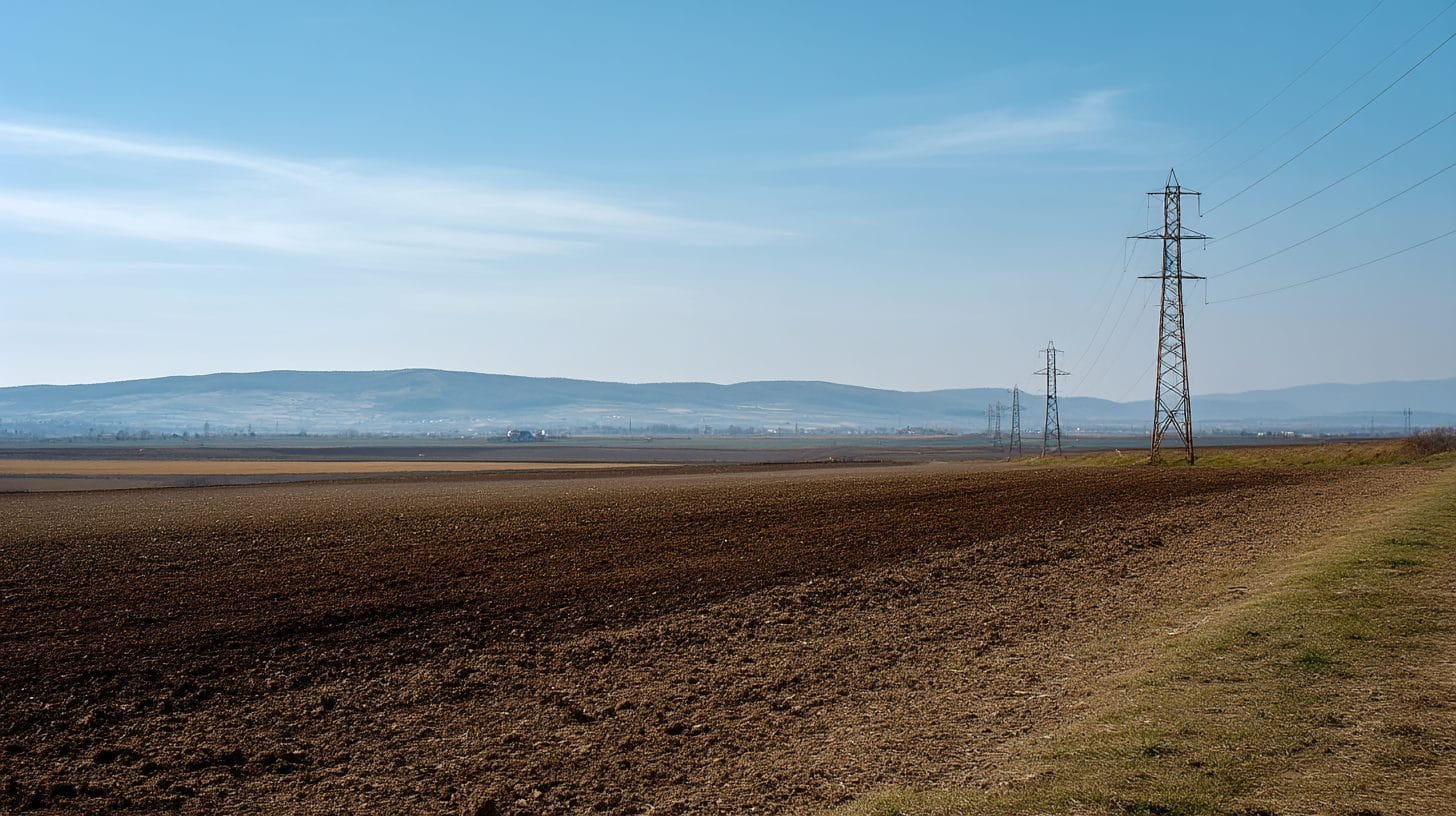
Assessing soil quality is paramount when considering land development and agricultural projects, especially in dynamic urban environments like Bucharest’s Ring Road. Given its strategic position as a key transportation corridor, the soil quality of lands in this area not only influences agricultural productivity but also impacts urban planning, environmental sustainability, and commercial development. In this article, we will explore comprehensive methodologies for evaluating soil quality, tailored specifically to lands on the Bucharest Ring Road.
Understanding Soil Quality
Soil quality refers to the ability of soil to perform its functions within the ecosystem, including water regulation, nutrient cycling, and supporting plant growth. For lands on Bucharest’s Ring Road, understanding soil quality is crucial for determining land use, ensuring sustainable agricultural practices, and mitigating environmental impacts associated with urban sprawl. Soil health is often assessed through physical, chemical, and biological indicators, which collectively provide a comprehensive picture of soil conditions.
Physical Soil Properties
The physical properties of soil are foundational to evaluating soil quality. Important aspects include soil texture, structure, porosity, and moisture retention.
Soil Texture: Soil is typically classified into three main categories: sand, silt, and clay. The balance among these components impacts the soil’s water-holding capacity, aeration, and drainage. For lands near the Bucharest Ring Road, a soil texture analysis helps determine suitability for crops, which is crucial for agricultural planning.
Soil Structure: Soil structure refers to the arrangement of soil particles and the spaces between them. Well-structured soil enhances root penetration and water movement, whereas poorly structured soil can lead to compaction and reduced water infiltration. Assessing soil structure is essential for successful land management practices.
Porosity and Moisture Retention: Porosity indicates the volume of pore spaces in the soil, which is vital for water retention and aeration. Lands located near the Bucharest Ring Road may vary in porosity based on land-use history, which affects their capacity to retain moisture and support healthy vegetation.
Chemical Soil Properties
The chemical properties of soil significantly influence its fertility and overall health. Key chemical indicators include pH, nutrient levels, organic matter content, and cation exchange capacity (CEC).
Soil pH: The pH level of soil affects nutrient availability, microbial activity, and overall soil health. For agricultural purposes, measuring the pH of soils along the Bucharest Ring Road can guide the types of crops that can be grown and inform amendment practices to optimize growing conditions.
Nutrient Levels: Essential nutrients like nitrogen, phosphorus, and potassium must be evaluated through soil testing. Because of historical land use in the area, nutrient levels can vary significantly. Understanding these levels is critical for effective fertilizer application and crop management.
Organic Matter Content: Organic matter plays a vital role in improving soil structure, enhancing nutrient retention, and supporting microbial life. An analysis of organic matter content helps in determining soil fertility and providing insights into long-term management practices for lands along the Ring Road.
Cation Exchange Capacity (CEC): CEC reflects the soil’s ability to hold and exchange positively charged ions (cations). Soils with a high CEC can retain nutrients better and support healthier plant growth. This property is particularly important when assessing the soil quality of lands intended for agricultural development.
Biological Soil Properties
The biological properties of soil involve the living components within it, which are crucial for nutrient cycling and achieving overall soil health. Key indicators include microbial biomass, respiration rates, and fungal-to-bacterial ratios.
Microbial Biomass: Active soil microbes contribute to the breakdown of organic matter and nutrient cycling. A soil health assessment should include an analysis of microbial biomass to evaluate the biological vitality of the land.
Soil Respiration: Measuring soil respiration rates can provide indications of microbial activity and organic matter decomposition. High respiration rates typically suggest healthy soil that can support robust plant growth.
Fungal-to-Bacterial Ratios: The type of microbial population present can influence soil quality. A balanced fungal-to-bacterial ratio is often a sign of healthy soil systems. Assessing this ratio can offer insights into land suitability for various agricultural practices.
Soil Assessment Methodologies
When embarking on a soil quality assessment for lands along Bucharest’s Ring Road, several methodologies can be implemented.
Visual Inspection: A preliminary assessment can start with visual observations of the soil surface, checking for signs of erosion, compaction, or vegetation health. This step provides invaluable context for more formal analyses.
Soil Sampling: Collecting soil samples from various locations and depths is essential for laboratory analysis. It is important to follow standardized procedures for sampling to ensure representativeness of the data.
Laboratory Testing: Once samples are collected, they should be sent to accredited laboratories for detailed analysis of physical, chemical, and biological properties. These tests will provide quantitative data that vendors, developers, and policymakers can leverage for decision-making.
Data Interpretation: The results obtained from soil testing must then be interpreted in the context of the desired land use. Understanding local soil characteristics in relation to Bucharest’s agricultural practices and urban development standards is essential for valid conclusions.
Utilizing Assessment Results
Upon completing the soil quality assessment, stakeholders can utilize the acquired information for several applications:
Land Use Planning: Detailed soil assessments aid in determining the most appropriate land use—whether for agriculture, residential, or commercial purposes.
Agricultural Productivity: Evaluating soil quality can guide farmers in adopting best practices tailored to local conditions, including the selection of appropriate crops and application of fertilizers.
Environmental Protection: Assessing soil quality helps identify lands that require remediation or conservation practices to protect local ecosystems and waterways.
Conclusion
In conclusion, assessing soil quality on lands along Bucharest’s Ring Road is a multifaceted process that requires an understanding of physical, chemical, and biological properties. By following standardized assessment methodologies and leveraging laboratory results, stakeholders can make informed decisions that enhance agricultural productivity, ensure sustainable urban development, and contribute to environmental health. This strategic approach to soil quality assessment plays a significant role in shaping the future of land use in this vibrant urban corridor. Proper evaluation of soil quality land Bucharest Ring Road is an investment that yields dividends in agricultural output and sustainable urban planning.
Interested in Land Investment in Romania?
We specialize in high-yield land and property opportunities for serious investors.
VIEW OUR CURRENT PORTFOLIOSecure your investment with Land For Investors.

Published: March 21, 2025