

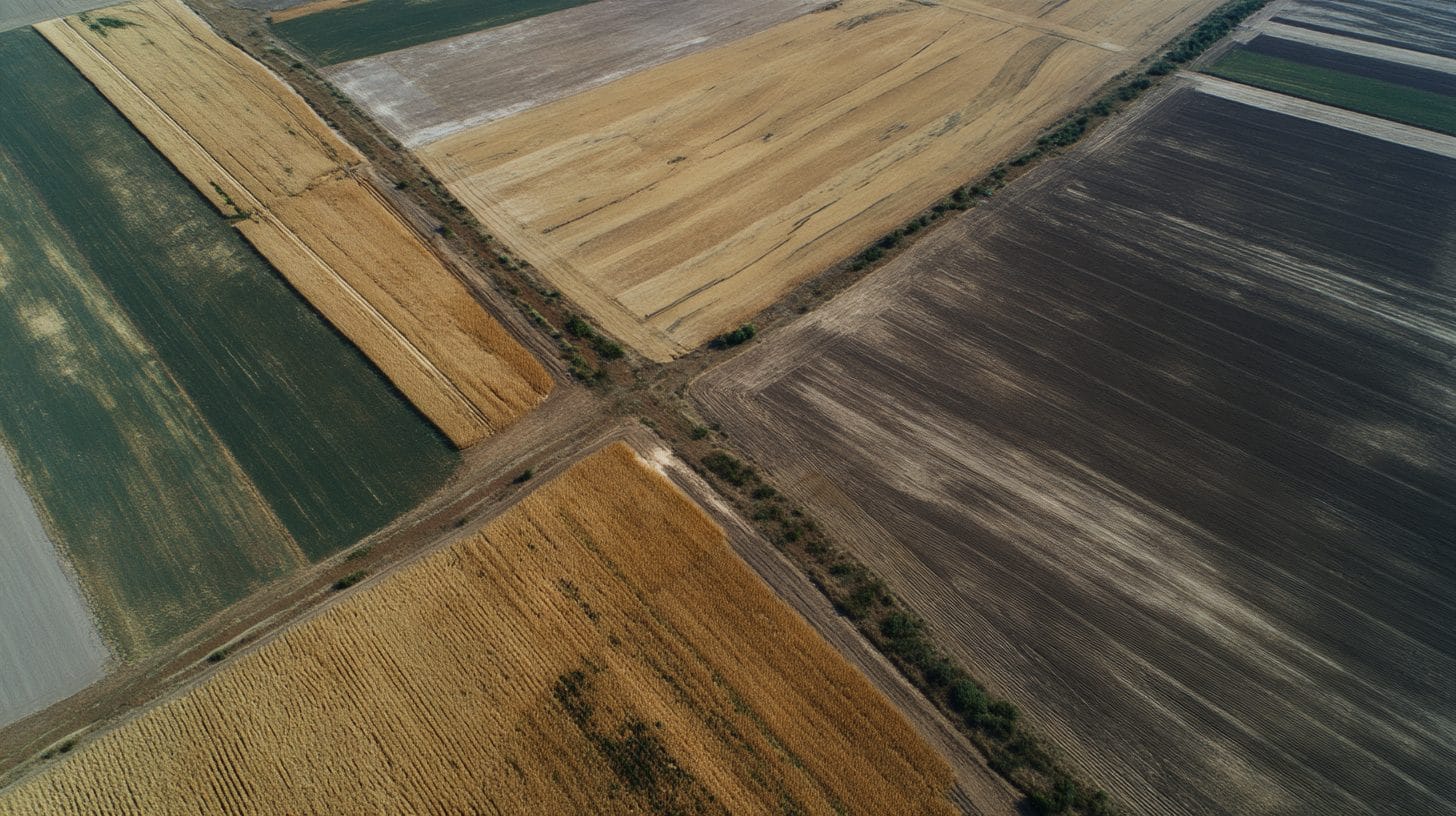
How to Assess Soil Quality for Land Near Bucharest
Assessing soil quality is a critical step in land evaluation, particularly in areas near urban centers such as Bucharest. With rapid urbanization, the necessity to understand soil conditions becomes paramount for farmers, real estate developers, environmentalists, and policymakers. This article explores the methodologies and considerations necessary to assess soil quality in the land around Bucharest effectively.
Understanding Soil Quality
Before embarking on the assessment process, it is essential to grasp what soil quality entails. Soil quality refers to the ability of a soil to perform its functions effectively. These functions include supporting plant growth, regulating water, filtering pollutants, and maintaining biodiversity. High-quality soil retains nutrients and possesses the appropriate pH balance, structure, and biological activity to support healthy ecosystems.
The Importance of Assessing Soil Quality
For land near Bucharest, evaluating soil quality is crucial for several reasons. Identifying soil quality helps determine its usability for agriculture, forestry, construction, and other purposes. It also provides valuable insights into potential contamination issues that may arise from previous land use, particularly in an urban context where industrial activities could compromise soil health. Furthermore, understanding soil quality aids in sustainable land management, essential for balancing development with environmental conservation.
Factors Affecting Soil Quality
Numerous factors influence soil quality, particularly in a region like Bucharest, which may have varied land uses. These factors include soil texture, organic matter content, pH, nutrient levels, soil structure, and biological activity. Each of these characteristics plays a vital role in determining the overall health and functionality of the soil.
1. Soil Texture
Soil texture refers to the proportion of different-sized particles in the soil, namely sand, silt, and clay. Texture affects water retention, aeration, and nutrient availability, all essential for plant growth. In assessing land near Bucharest, it is critical to identify the predominant soil texture as it will influence agricultural practices and land use potential.
2. Organic Matter
Organic matter enriches the soil with nutrients, enhances soil structure, and improves water retention. In urban areas surrounding Bucharest, organic content might be affected by urban sprawl, pollution, and previous agricultural practices. Testing for organic matter levels is crucial in assessing soil health and fertility.
3. pH Levels
Soil pH is an essential indicator of soil quality, affecting nutrient availability and biological activity. A pH range of 6.0 to 7.5 is generally optimal for most crops. Testing soil pH is a straightforward way to assess potential limitations to agricultural productivity in the land surrounding Bucharest.
4. Nutrient Levels
Key nutrients essential for plant growth, including nitrogen, phosphorus, and potassium, must be evaluated. Soil testing can reveal both macro and micro-nutrient levels to assess soil health comprehensively. For land near Bucharest, understanding nutrient levels will guide proper fertilization and land management practices.
5. Soil Structure
Soil structure pertains to how soil particles bind together to form aggregates. This affects aeration, water infiltration, and root penetration. Highly compacted soils may pose challenges for agricultural productivity. Assessing soil structure involves examining physical properties and performing tests for bulk density and porosity.
6. Biological Activity
Soil organisms, including bacteria, fungi, and macrofauna, contribute significantly to nutrient cycling and soil health. A diverse and active soil biological community indicates higher soil quality. Conducting biological assessments can provide insights into the ecological health of the soil.
Methods for Assessing Soil Quality
Assessing soil quality involves a combination of laboratory testing and field analysis. Several methods can be employed to gather comprehensive data about soil quality in land near Bucharest.
1. Soil Sampling
The first step in any soil assessment is to collect soil samples systematically. The sampling method will depend on the intended land use (agriculture, construction, etc.). A grid sampling approach is recommended, where samples are taken at regular intervals across the field to account for variability. Each sample should be representative of the area being tested.
2. Laboratory Analysis
Once soil samples are collected, they should be sent to an accredited laboratory for detailed analysis. Standard analyses include texture analysis, pH testing, nutrient profiling, and organic matter content evaluation. The results from these tests will provide a scientific basis for assessing soil quality.
3. Field Observations
Conducting visual inspections in conjunction with laboratory analysis can reveal additional information about soil conditions. Observing soil color, structure, moisture levels, and vegetation can provide insights into potential issues not identified through lab testing.
4. Soil Quality Indicators
Several soil quality indicators can be used to assess soil health. Common indicators include soil respiration rates, microbial biomass, and the presence of soil aggregates. These indicators can be measured using specific field or laboratory techniques.
Strategies for Improving Soil Quality
If the assessment reveals deficiencies in soil quality, several strategies can be employed to improve it. These strategies can be particularly important for land near Bucharest, where urban pressures may have deteriorated soil.
1. Amendments
Incorporating organic matter, such as compost or manure, into the soil can improve its nutrient content and structure. It is crucial to evaluate the right amendments based on the soil tests conducted.
2. Cover Cropping
Utilizing cover crops during fallow periods can enhance soil health. Cover crops stabilize soil, prevent erosion, and improve soil organic matter.
3. Reduced Tillage
Minimizing soil disturbances through reduced tillage practices can help maintain soil structure and support beneficial microbial populations.
4. Crop Rotation
Implementing crop rotation can enhance nutrient cycling, reduce disease, and improve soil structure.
5. Sustainable Practices
Encouraging sustainable land use practices will support long-term soil health. These practices may include the integration of agroforestry, organic farming techniques, and responsible land management policies.
Conclusion
Assessing soil quality for land near Bucharest is a multifaceted process that requires a solid understanding of soil properties and laboratory techniques. The knowledge gained not only informs safe and sustainable land use and agriculture but also aids in the preservation of the environment amidst urban pressures. Utilizing proper sampling, laboratory analysis, and field methods will provide landowners, developers, and policymakers with vital information to make informed decisions. In the process, they can safeguard the natural resources of Bucharest and optimize land productivity for future generations. Regular assessments and continued improvements will enhance soil health and support the ecological integrity of the region.
By understanding how to assess soil quality and implement effective strategies, stakeholders can ensure that the land surrounding Bucharest remains viable and sustainable for years to come. Therefore, whether for agricultural pursuits or developmental needs, taking the time to assess soil quality is an invaluable investment.
Interested in Land Investment in Romania?
We specialize in high-yield land and property opportunities for serious investors.
VIEW OUR CURRENT PORTFOLIOSecure your investment with Land For Investors.

Published: March 12, 2025