

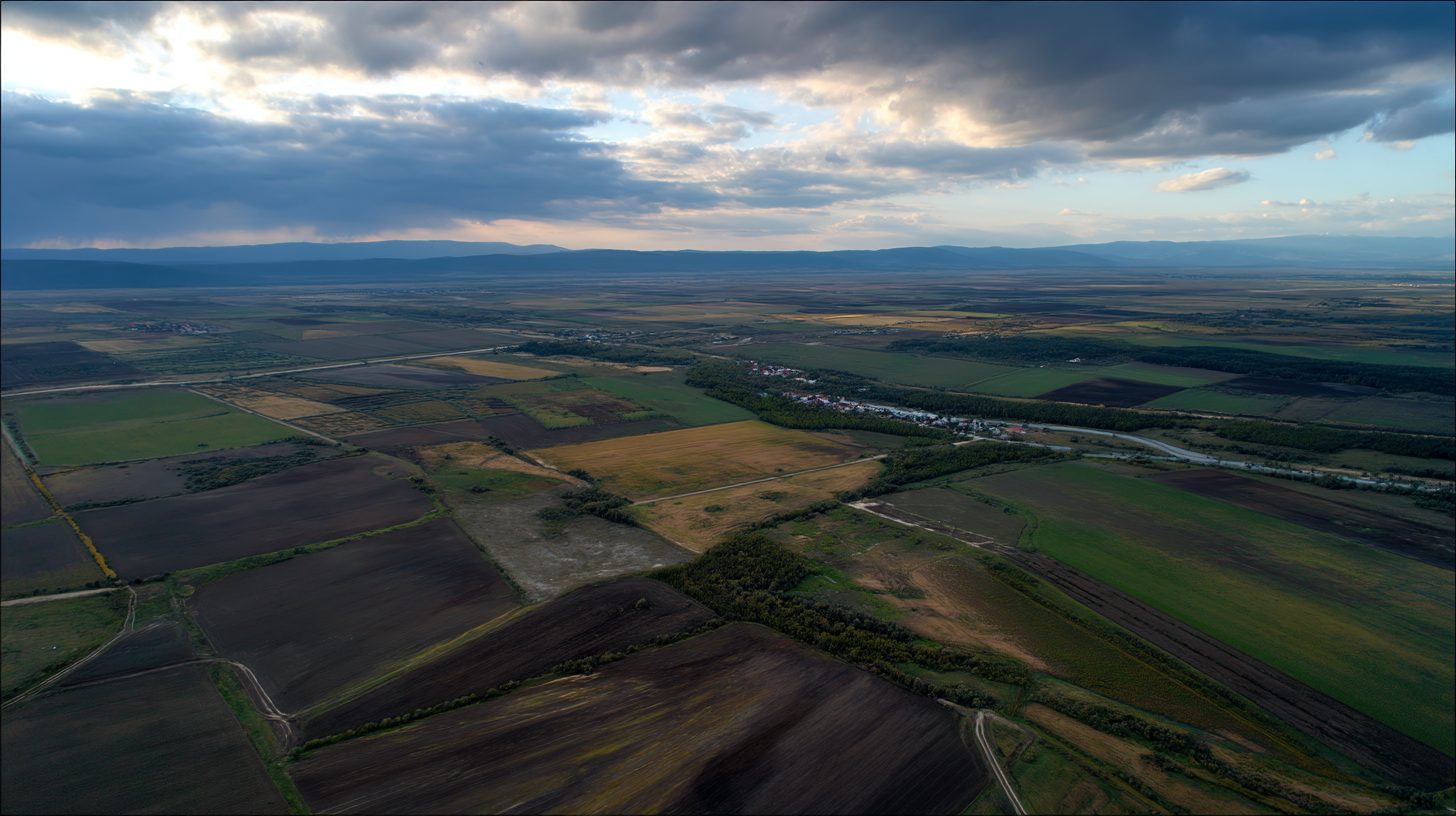
Assessing land for residential versus commercial use in and around Bucharest is a critical undertaking that necessitates a comprehensive understanding of several factors, including zoning laws, market demand, infrastructure availability, and future growth potential. As the capital of Romania, Bucharest has seen significant growth in both residential and commercial sectors, making it a focal point for real estate investments. This article aims to provide a detailed guide on how to assess land suitability for either residential or commercial use near Bucharest.
Understanding Zoning Laws
The first step in assessing land for residential versus commercial use in Bucharest is to understand the local zoning laws. Zoning regulations determine how land can be used and what types of structures can be built on it. In Bucharest, different zones are designated for residential, commercial, mixed-use, and agricultural purposes. To begin your assessment, consult the local zoning plan or contact the Bucharest City Hall to obtain detailed information regarding the specific property in question.
If the land is zoned for residential use, it may be limited to homes, apartments, and other dwelling types. Conversely, commercial-zoned land can support businesses, retail spaces, and other economic activities. Understanding the zoning category of the land is crucial since it dictates what can legally be developed on the property.
Market Demand Assessment
Next, evaluate the market demand for residential versus commercial properties in the surrounding area. Bucharest’s evolving economy contributes to fluctuating property values, making it essential to analyze recent trends in the real estate market. Research property sale and rental prices for residential buildings compared to commercial spaces. Online real estate platforms, market reports, and local real estate agencies can provide valuable insights.
Additionally, consider demographic trends. The population in and around Bucharest continues to grow, with an influx of individuals seeking residential properties for homes or apartments. In contrast, the commercial market may be influenced by local businesses, the availability of office spaces, shopping centers, and changing consumer behavior.
Infrastructure and Accessibility
A critical element in assessing land for residential versus commercial use is its accessibility and the existing infrastructure. Properties close to public transportation, major roadways, and essential amenities such as schools, hospitals, supermarkets, and recreational facilities tend to attract more buyers or tenants.
For residential properties, families often favor locations with good access to schools, parks, and healthcare services. Similarly, for commercial properties, locations with high foot traffic, visibility, and proximity to business hubs are preferable. Examine the quality of roads, availability of public transport options, and the state of existing utilities—water, sewer, electricity, and internet services—as these factors significantly impact the attractiveness of both residential and commercial developments.
Future Growth Potential
Another key factor when determining land usage is the future growth potential of the area. Bucharest is continuously evolving, with new developments aimed at modernizing the urban landscape. Look for indicators that suggest growth potential, such as planned infrastructure projects, government initiatives, or interest from large businesses.
Evaluate any local government plans for urban development or regeneration projects that could affect the desirability of the area. If significant investments are planned, it may suggest an increase in property values over time, making the land more valuable for either residential or commercial development.
Environmental Considerations
When choosing between residential versus commercial land use near Bucharest, environmental factors also play a vital role. Considerations such as land quality, flood risk, and proximity to green spaces are important for residential developments. Families often seek out environments that promote health and well-being, such as areas with parks and outdoor recreational facilities.
In contrast, commercial properties may require different environmental assessments, particularly when it comes to factors like the presence of hazardous materials, waste management facilities, or pollutants. Assess the suitability of the land based on its environmental history and potential liabilities, as these factors can significantly influence development options.
Competition Analysis
Conducting a competitive analysis is another important aspect of assessing land for residential versus commercial use. Identify existing residential complexes and commercial establishments in the vicinity. This will give you insight into the saturation of the market and help you gauge the viability of introducing new developments.
In a highly competitive residential market, differentiating your development may involve unique selling points such as eco-friendly building practices or amenities that attract families. In commercial real estate, understanding the competition’s offerings, customer reviews, and market positioning can inform strategic decisions for your proposed development.
Cost Analysis
Finally, performing a detailed cost analysis is indispensable. Analyze not only the acquisition cost of the land but also the projected development costs, taxes, and operational expenses. How do these costs stack up against anticipated revenues from residential rents or commercial leases?
Consider working with financial analysts or real estate experts who can help you develop accurate projections and assess the fiscal feasibility of your plans. Specific metrics, such as return on investment (ROI) and break-even analysis, can provide valuable foresight into the potential success of either residential or commercial projects.
Conclusion
In conclusion, assessing land for residential versus commercial use near Bucharest requires a multifaceted approach. By understanding zoning laws, evaluating market demand, and analyzing infrastructure and future growth potential, you can make informed decisions that align with your investment goals. Additionally, environmental considerations and competitive analysis, combined with a thorough cost analysis, are vital to ensure your investment’s success.
As Bucharest continues to grow and evolve, the landscape for both residential and commercial properties will remain dynamic, presenting opportunities for savvy investors. Navigating this complex environment with a solid assessment strategy will place you in a stronger position as you explore the diverse options available in residential versus commercial land Bucharest.
Interested in Land Investment in Romania?
We specialize in high-yield land and property opportunities for serious investors.
VIEW OUR CURRENT PORTFOLIOSecure your investment with Land For Investors.

Published: March 14, 2025