

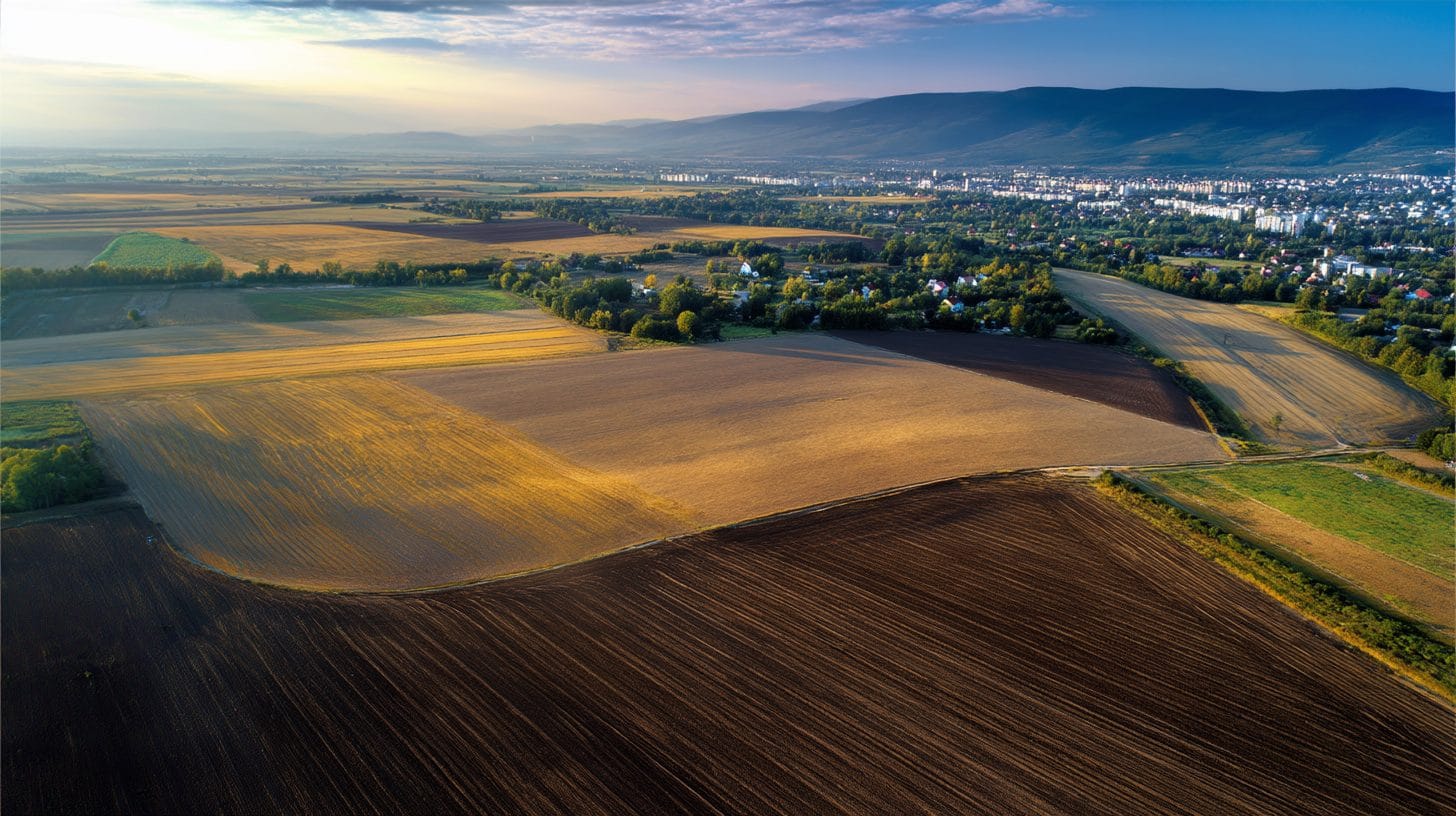
How to Assess Future Development Potential of Land in Romania
Romania, with its diverse geographical landscapes, rich cultural heritage, and developing economy, offers numerous opportunities for land development. For prospective investors, real estate developers, and urban planners, understanding the future development potential of land in Romania is crucial for making informed decisions. This article aims to provide a comprehensive guide on assessing future development potential land Romania, focusing on various factors influencing land use and development.
Understanding Zoning Regulations
The first step in assessing the future development potential of land in Romania is to familiarize yourself with local zoning regulations. Zoning laws dictate how land can be used, including residential, commercial, industrial, and agricultural purposes. Different municipalities may have varying zoning bylaws, making it essential to consult the local council or zoning authority for specific details on the land in question. Researching comprehensive plans and development codes can provide insight into potential future uses and growth areas designated for development.
Evaluating Location
Location is one of the most critical factors affecting the future development potential of land in Romania. A prime location, such as proximity to urban centers, transportation networks, and essential services, can significantly enhance the attractiveness of a property for development. To assess location potential, consider the following aspects:
1. Accessibility: Evaluate the quality and availability of transportation infrastructure, such as roads, railways, and airports. Areas with good connectivity can foster growth and attract investors.
2. Nearby Amenities: Consider the proximity to schools, hospitals, commercial centers, and recreational areas. Focusing on land situated near essential services can enhance overall development potential, as consumers typically prioritize convenience.
3. Economic Context: Analyze local economic indicators and employment opportunities. Areas with robust job markets tend to attract new residents, leading to increased demand for housing and services.
Assessing Local Market Trends
The real estate market in Romania has experienced significant fluctuations over the years, influenced by various economic factors. To assess the future development potential of land, it is vital to analyze current market trends, including property prices, rental rates, and demand for different types of real estate. Keep an eye on:
1. Recent Sales Data: Analyzing recent land sales and property transactions can provide valuable insights into market dynamics. A rising trend in sales prices could indicate potential growth in a particular area.
2. Development Projects: Investigate planned and ongoing development projects nearby. Upcoming infrastructure developments or new commercial real estate projects can positively impact land values and potential growth.
3. Demographic Trends: Understanding the population growth and demographic shifts in a region can help identify areas with increasing demand for housing and services, making them prime targets for investment.
Environmental and Geographic Considerations
To assess the future development potential of land in Romania, evaluating environmental and geographic factors is essential. These factors can impact not only the feasibility of development but also the long-term sustainability and compliance with environmental regulations. Consider the following elements:
1. Environmental Impact Assessment: Conduct an environmental impact assessment (EIA) to evaluate potential ecological consequences of development. This assessment is particularly important for areas near natural reserves or sensitive habitats.
2. Soil Quality and Topography: Assess the land’s soil quality and topography, as these factors can influence construction feasibility and costs. For instance, hilly terrains may present more challenges compared to flat land.
3. Water Resources and Flood Risk: Analyze the availability of water resources and flood risk in the area. Flood-prone zones may limit development options and require additional investments in mitigation measures.
Regulatory and Legal Framework
Understanding the legal framework surrounding land ownership and development in Romania is imperative when assessing the future development potential of land. Key aspects to consider include:
1. Ownership Rights: Verify ownership rights and potential encumbrances on the land. Engaging a local attorney or real estate expert can help navigate legal complexities related to land acquisition.
2. Property Taxes and Local Fees: Research local tax regulations and fees associated with property development. These financial obligations can impact overall project viability and need to be factored into investment calculations.
3. Permitting Process: Familiarize yourself with the permitting process for land development. Understanding timelines and requirements for obtaining permits can aid in project planning.
Investigating Future Infrastructure Developments
Infrastructure investments can significantly influence the future development potential of land in Romania. Governments and private sectors often embark on initiatives to enhance transportation, utility services, and public facilities. To stay informed, monitor:
1. Government Initiatives: Keep track of government infrastructure plans and policies aimed at improving connectivity and services. Enhancing infrastructure can spur development and elevate land values.
2. Public-Private Partnerships: Explore opportunities for collaboration with public and private entities to support development projects. Collaborative efforts can lead to shared resources and increased project feasibility.
3. Future Urban Development Areas: Research urban development areas designated for growth. These zones may offer extensive support from local governments and incentives for property developers.
Engaging Local Communities
Involving local communities in the development process can enhance the likelihood of future success for land projects. Engaging residents and stakeholders fosters positive relationships and encourages community support for development initiatives. Steps to consider include:
1. Community Consultation: Host public meetings to gather input from local residents and stakeholders. Understanding their insights and concerns can shape development plans to better align with community needs.
2. Collaboration with Local Organizations: Partner with local organizations, non-profits, and civic groups to develop tailored projects that prioritize community benefits.
3. Sustainable Development Practices: Implementing environmentally sustainable practices in development can mitigate resistance from communities and align with broader regional objectives.
Conducting Risk Assessment
Every investment carries inherent risks, and land development is no exception. A comprehensive risk assessment is vital for evaluating the future development potential of land in Romania. Identify potential risks, including:
1. Economic Volatility: Monitor economic trends and indicators that could influence land values and development viability. Global and local economic shifts may impact demand for properties.
2. Regulatory Changes: Stay updated on potential changes in regulations or policies that could affect land development. Ensuring compliance with evolving laws is crucial to mitigating legal risks.
3. Project Feasibility: Analyze construction cost estimates, timelines, and potential for delays. Comprehensive project feasibility studies can assist in identifying challenges and solutions before investments are made.
Conclusion
Assessing the future development potential of land in Romania requires a multidimensional approach, encompassing local zoning regulations, market trends, environmental considerations, infrastructure investments, and community engagement. By meticulously analyzing these factors, investors and developers can make informed decisions that align with market demands and sustainable growth objectives. As Romania continues to evolve, the development potential for land remains promising—provided thorough assessments and strategic planning are executed effectively. With patience and diligence, potential stakeholders can unlock the promising prospects that await in this dynamic European market.
Interested in Land Investment in Romania?
We specialize in high-yield land and property opportunities for serious investors.
VIEW OUR CURRENT PORTFOLIOSecure your investment with Land For Investors.

Published: April 11, 2025