

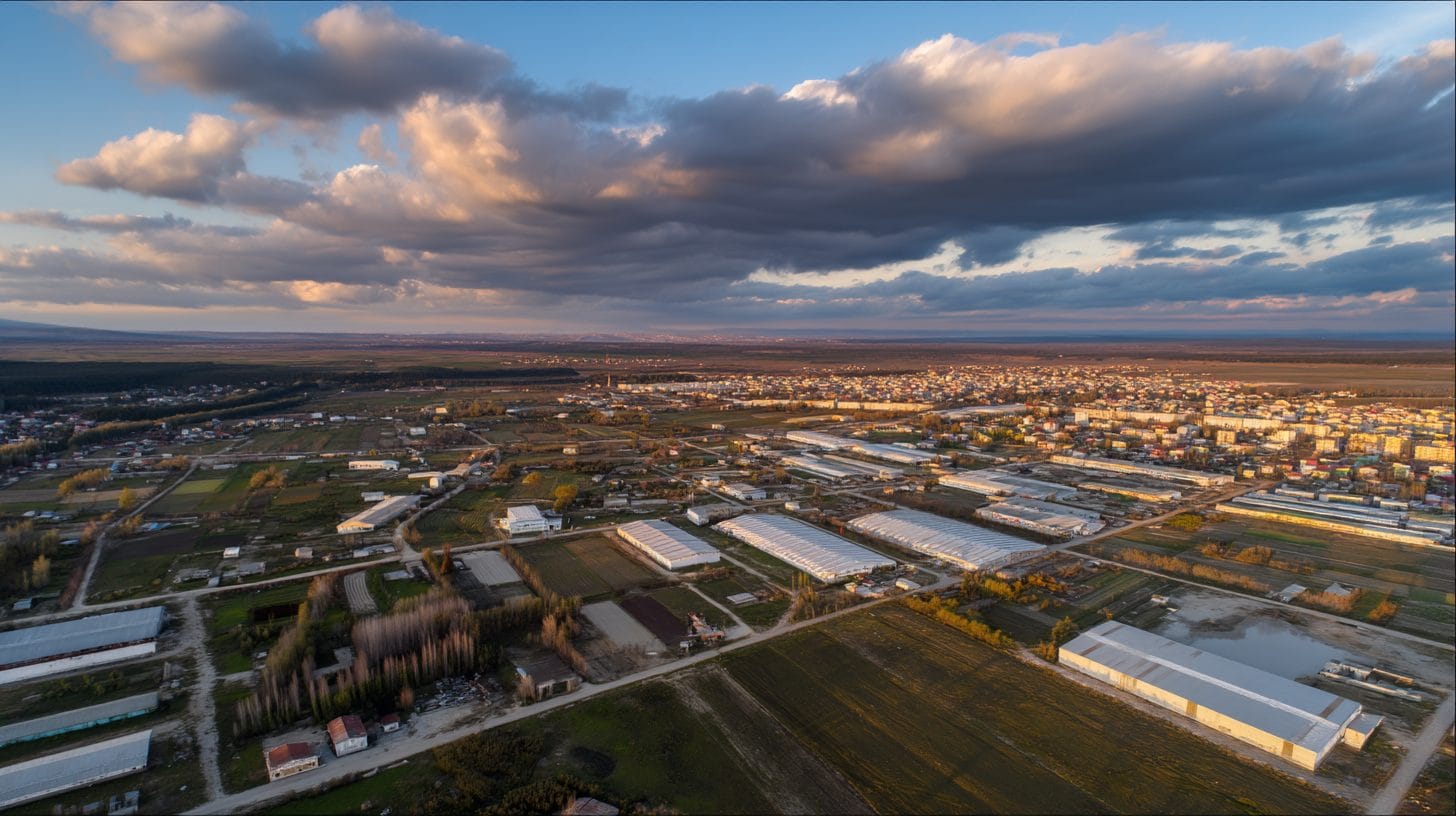
When considering the purchase of land near Bucharest, one must undertake a thorough assessment of various factors that could impact the viability and safety of the investment. Among these factors, understanding environmental risks becomes paramount. Assessing environmental risks when buying land near Bucharest not only safeguards your investment but also contributes to responsible land use and sustainable development. This comprehensive guide will explore crucial considerations, methodologies, and resources available for assessing environmental risks associated with land acquisition in and around the capital of Romania.
Firstly, it’s essential to understand the context of Bucharest’s geographical and environmental landscape. The city is located in the southern part of Romania, characterized by a mix of natural and urban environments. The presence of historical industrial sites, agricultural lands, and urban development all contribute to potential environmental hazards. As with any property purchase, the presence of contaminants, the proximity to environmentally sensitive areas, and the general suitability of the land for intended use are critical points of consideration.
The initial step in assessing environmental risks involves acquiring pertinent information about the land you are interested in. Potential buyers should begin by gathering historical data regarding the land use. This includes understanding what activities were previously conducted on the property and the surrounding areas. For example, if the land was previously utilized as an industrial site, it may have been subject to chemical spills or other environmental mishaps that could lead to contamination.
Additionally, it is advisable to check if the land is located in proximity to hazardous waste sites, industrial complexes, or areas known for pollution. The Romanian Ministry of Environment and the National Agency for Environmental Protection maintain databases that provide information on contaminated sites. Accessing these resources can help ascertain whether the land in question may have environmental burdens.
Once preliminary research has been completed, employing a professional environmental assessment is a logical next step. This assessment, commonly referred to as a Phase I Environmental Site Assessment (ESA), helps identify the presence or potential presence of hazardous substances on the property. A qualified environmental consultant will conduct this assessment. The process often includes site inspections, interviews with existing property owners, and the review of historical records regarding land use.
If the Phase I ESA identifies potential environmental risks, further investigation may be warranted. This may include a Phase II ESA, which involves sampling soil, groundwater, and other media to detect contaminants. The findings from these assessments will help you understand the environmental conditions of the land and any associated liabilities.
Moreover, understanding the natural hazard risks is equally important, particularly in the context of climate change. Bucharest is susceptible to various natural hazards, including flooding, particularly in areas near rivers or drainage channels. Checking local topographical maps, flood zone designations, and historical flood data can help assess these risks. Additionally, understanding how climate change may affect extreme weather patterns in the region is crucial for gauging future risks.
Another aspect of environmental risk assessment relates to regulations and local ordinances. The Romanian government has put in place various environmental laws to protect natural resources and community health. It’s essential to thoroughly explore these regulations, which could influence how the land can be used or developed. Local zoning laws, land-use designations, and environmental protection regulations must be scrutinized to avoid potential complications down the road.
Furthermore, you may wish to consider the ecological value of the land. Properties that harbor significant flora and fauna or are located near protected areas may bring additional responsibilities with them. Engaging with local environmental organizations or conservation groups can provide insights into the ecological significance of the land and the implications of development. This can also enhance the long-term value of your investment if sustainable practices are adopted.
Community involvement and public perception also play a crucial role in assessing environmental risks. Engaging with the local community can reveal valuable insights regarding the historical environmental issues that may not be documented in public records. The opinions and experiences of local residents can highlight concerns about pollution, industrial activities, and the overall desirability of the area, which may not be immediately apparent through records alone.
In addition to these assessments, leveraging technology can enhance the process of evaluating environmental risks. Remote sensing tools, Geographic Information Systems (GIS), and environmental modeling software offer valuable insights into land use patterns, pollution dispersion, and potential climate impacts. Such technologies can provide a comprehensive overview of the environmental landscape and contribute to informed decision-making.
After conducting a thorough exploration of these factors, potential buyers should carefully weigh the benefits against any identified environmental risks. It is advisable to collaborate with real estate professionals experienced in environmental assessments and diligent in navigating the complexities of land transactions near Bucharest. They can guide you in understanding the full implications of the risks and offer solutions or alternatives that may mitigate any liabilities.
Ultimately, understanding environmental risks associated with land acquisition in Bucharest is an evolving process that demands diligent research, professional assessments, and an awareness of regulatory frameworks. By equipping yourself with comprehensive knowledge, you can make informed decisions that reflect not only your financial objectives but also a commitment to sustainability and community well-being.
In conclusion, assessing environmental risks when buying land near Bucharest is an essential step in ensuring a sound investment. Recognizing the historical context, conducting thorough assessments, understanding regulatory implications, engaging with the community, and leveraging technological tools form the foundation of a robust risk assessment process. Embracing these practices will not only protect your investment but also enhance the potential for sustainable development in the region. Investing in land represents a significant commitment, and a careful evaluation of environmental risks is key to ensuring its long-term viability and contribution to Bucharest’s growth.
Interested in Land Investment in Romania?
We specialize in high-yield land and property opportunities for serious investors.
VIEW OUR CURRENT PORTFOLIOSecure your investment with Land For Investors.

Published: March 13, 2025