

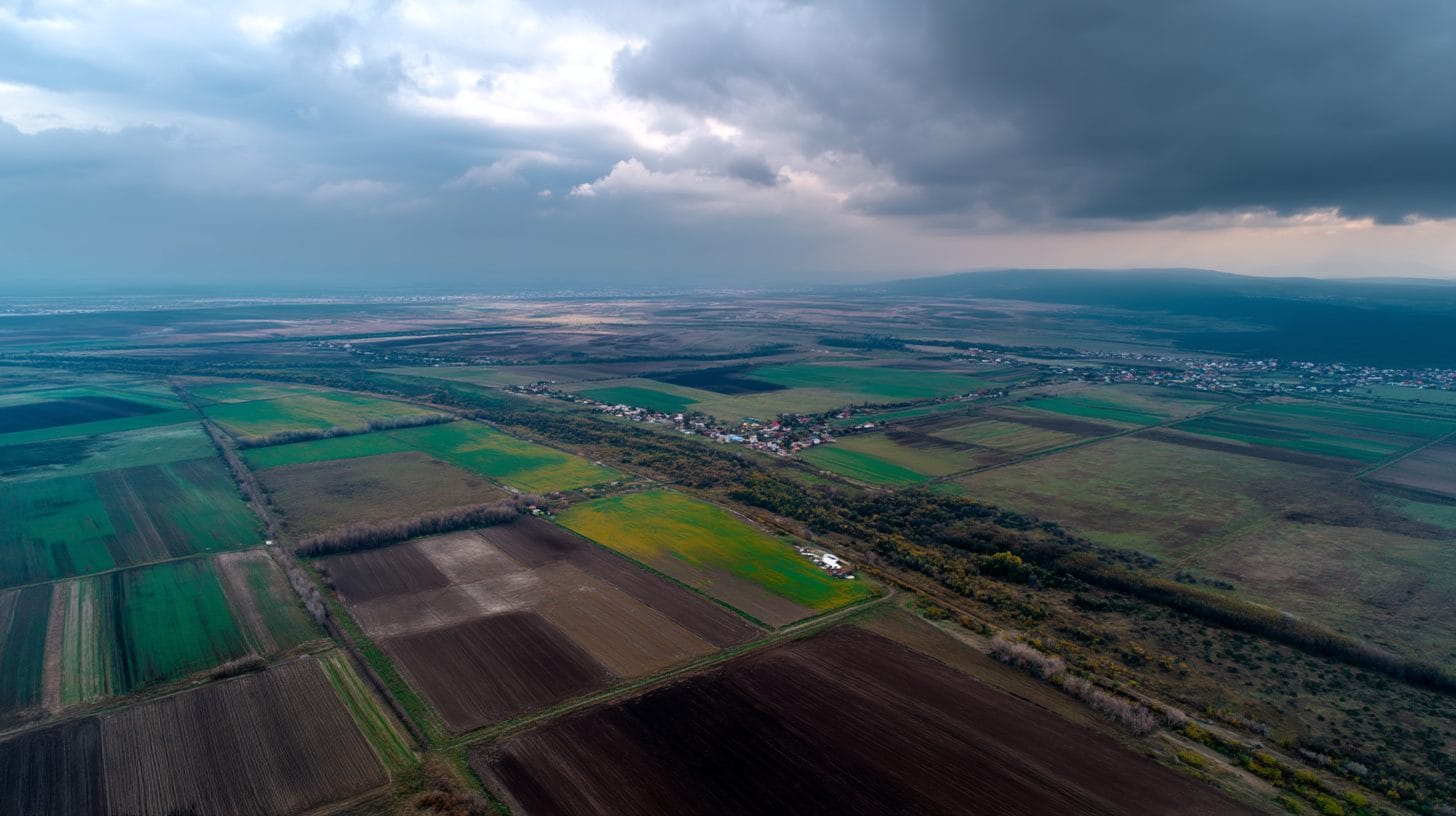
How to Assess Accessibility and Road Connectivity for Land Near Bucharest
In an era where real estate development is rapidly expanding, particularly in urban centers like Bucharest, understanding the accessibility and road connectivity of land parcels is paramount for investors, developers, and policymakers alike. The keyword ‘assess accessibility land Bucharest’ emphasizes the increasing importance of evaluating infrastructure as a fundamental consideration in property decisions. Here we will explore the various principles, tools, and methodologies necessary for thorough assessment of land accessibility in Bucharest, a region that blends rich history with modern development.
Understanding Accessibility
Accessibility refers to the ease of reaching a destination, and for land development, it covers how well connected a property is to crucial infrastructures such as roads, public transport, and economic hubs. Accessibility can be evaluated based on relative distance to major roads, public transport stations, points of interest, and the general condition of the surrounding infrastructure. In the context of Bucharest, one must recognize that the metropolitan area extends beyond the city limits and includes various suburban areas, each with unique accessibility characteristics.
Factors Influencing Accessibility
To assess accessibility for land near Bucharest, one should consider several key factors:
1. Transport Infrastructure: Primary highways, secondary roads, and local streets play significant roles in determining accessibility. Investigate the availability and quality of road networks leading to the land parcel. Major roads such as the A1 and A3 motorways facilitate efficient transportation to and from Bucharest and surrounding regions.
2. Public Transportation: Evaluate the availability and frequency of public transport options, such as buses, trams, and metro lines. Bucharest boasts an intricate public transport network, but proximity to major transport hubs could dramatically improve the accessibility metrics of a given parcel.
3. Proximity to Economic Nodes: Analyze how close the land is to key commercial and industrial centers, as these locations typically indicate higher demand and value. Consider proximity to business districts, schools, hospitals, and shopping areas.
4. Connectivity to Other Urban Areas: The accessibility of land also depends on how well interconnected it is with other nearby towns and regions. This can affect commuting patterns and the viability of a site for certain types of development.
5. Traffic Conditions: Traffic congestion patterns can impact accessibility. By assessing peak hour traffic volumes and general easing or crowding throughout the day, one can better predict accessibility at different times.
6. Road Quality: The condition of existing roads can also influence property value and development potential. Well-maintained roads facilitate easier access and promote viabilities.
Tools for Assessment
When it comes to assessing the accessibility of land near Bucharest, professionals often utilize a variety of tools:
1. Geographic Information Systems (GIS): GIS technology excels at spatial analysis, enabling users to map out transportation networks, calculate distances from the land to key destinations, and visualize data to assess accessibility more effectively.
2. Traffic Simulation Models: By using simulation models, one can predict and analyze traffic flows, congestion patterns, and overall connectivity performance under varying scenarios.
3. Surveys and Traffic Counts: Direct surveys can provide quantitative data about transport utilization. Traffic counts help establish peak demand times and offer insights into possible congestion challenges.
4. Accessibility Score Index: Some planners develop an index that combines multiple accessibility metrics into a comprehensive score that evaluates site suitability for intended land use.
Conducting a Comprehensive Analysis
To systematically assess accessibility for land near Bucharest, it is essential to follow a structured approach:
1. Initial Screening: Start by gathering information on the location, size, and purpose of the land parcel, along with initial data about existing infrastructure.
2. Detailed Mapping: Use GIS tools to create detailed maps that showcase the transport networks, proximity to major junctions, stations, and critical services.
3. Accessibility Audits: Conduct field visits to find out the current conditions of roads, public transport interfaces, and any accessibility barriers, such as lack of sidewalks or inadequate signage.
4. Land Use Analysis: Understand the existing zoning regulations and potential land uses, which can impact the type of development suited to the area.
5. Assemble Stakeholder Input: Engage with local authorities, urban planners, and community stakeholders to gather insights on existing transportation challenges and potential developments.
6. Analyze Data: Combine qualitative assessments with quantitative data, focusing on distance-induced accessibility and integrating as many factors mentioned above as possible.
Providing Recommendations
After a comprehensive assessment, the next step is to provide actionable recommendations based on findings. Identify potential enhancements that could improve the site’s accessibility. Solutions may include advocating for new road constructions or improvements, proposing additional public transport services, or suggesting urban design interventions that encourage walkability.
Conclusion
In the competitive real estate market surrounding Bucharest, being able to assess accessibility for land parcels effectively is crucial for guiding investment and ensuring sustainable urban development. A thorough understanding of accessibility and road connectivity will not only inform land use decisions but also enhance overall community well-being and economic vitality. By applying the methodologies, tools, and recommendations discussed, stakeholders will be better equipped to make informed decisions regarding land development in and around Bucharest. Ultimately, ensuring equal access and improved connectivity enhances the region’s livability and economic potential, creating a vibrant and accessible urban landscape for future generations.
Interested in Land Investment in Romania?
We specialize in high-yield land and property opportunities for serious investors.
VIEW OUR CURRENT PORTFOLIOSecure your investment with Land For Investors.

Published: March 13, 2025