

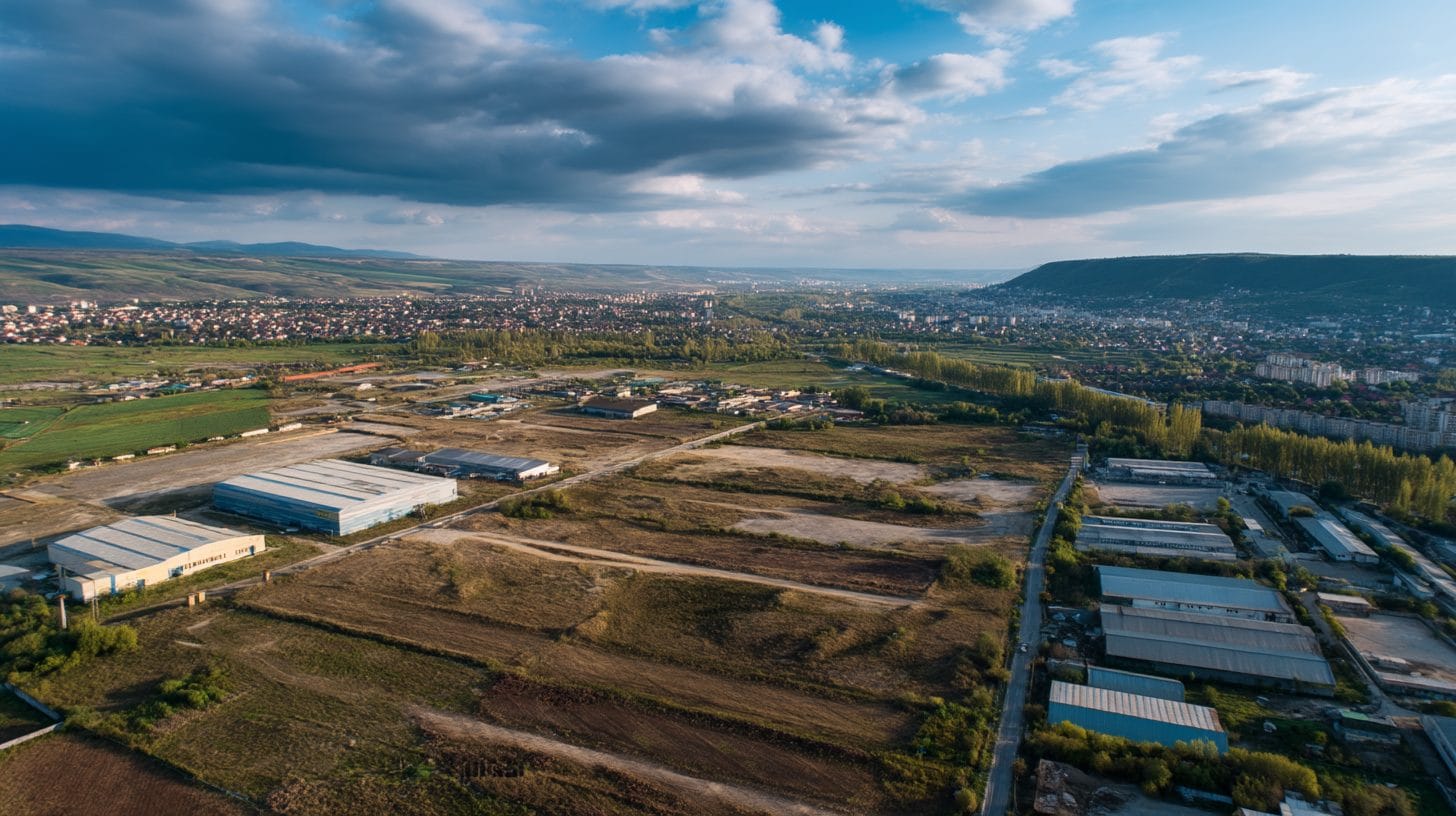
How to Analyze the Impact of Economic Policies on Bragadiru, Ilfov Real Estate
Bragadiru, a suburban locality in Ilfov County, Romania, has been witnessing significant changes in its real estate landscape in recent years. This transformation is closely intertwined with the broader economic policies enacted at both the national and local levels. Analyzing the impact of these economic policies on Bragadiru’s real estate market is crucial for stakeholders, including investors, buyers, and policymakers, to understand and navigate the market dynamics effectively. This article aims to provide an in-depth analysis of the economic policies impact Bragadiru Ilfov’s real estate, guiding informed decision-making for all parties involved.
Understanding the Local Economic Framework
Bragadiru serves as a prime example of a burgeoning suburb that benefits from its proximity to Bucharest. The economic policies implemented by both the Romanian government and local authorities in Ilfov County have directly influenced this suburb’s developmental trajectory. Before analyzing these policies, it is essential to have a grounding in the local economic framework, including demographic trends, employment rates, and income levels.
Bragadiru has experienced population growth, spurred by the migration of individuals and families seeking affordable housing options and a better quality of life compared to the bustling urban environment of Bucharest. With a growing population, the demand for real estate has risen, making it imperative to evaluate the economic policies impacting this demand.
Economic Policies and Their Direct Influence
Government policies regarding taxation, infrastructure development, and housing regulations play a pivotal role in shaping the real estate market in Bragadiru.
Taxation Policies: The local government’s approach to property taxes and incentives for real estate development significantly influences investment decision-making. For instance, if the local administration provides tax breaks for new developments, this may encourage more builders to enter the market, subsequently elevating property values and availability. Conversely, higher taxation may deter investment and stifle growth.
Infrastructure Development: A vital component of economic development that directly affects real estate is infrastructure. Policies promoting the enhancement of transportation networks, utilities, and public amenities are necessary to attract new residents and businesses. The ongoing developments in public transport, such as new bus routes or the expansion of metro lines connecting Bragadiru to Bucharest, can lead to a surge in demand for residential and commercial properties.
Housing Regulations: Economic policies formulating zoning laws and building regulations can have serious implications on housing supply and affordability. Policies permitting higher-density developments may ease the housing shortage, while stringent regulations could restrict growth and increase property prices. As Bragadiru expands, it is essential to monitor any shifts in housing regulations and their subsequent impact.
Analyzing Economic Indicators
To further understand how economic policies impact Bragadiru Ilfov’s real estate, stakeholders must keep a close eye on various economic indicators. These include:
Property Market Trends: Assessment of property prices and rental yields in Bragadiru over time can provide insights into how well these economic policies are performing. Regular market reports detailing these trends help indicate whether these policies promote a favorable real estate environment.
Unemployment Rates: High employment rates generally correlate with a healthy economy and increased demand for housing. Analyzing how employment figures in Bragadiru are influenced by local economic policies offers valuable insights into the housing demand and supply dynamics.
Income Levels: Income growth in Bragadiru impacts purchasing power and, consequently, the demand for real estate. A detailed evaluation of local income trends is necessary to understand the effects of economic policies on housing affordability.
Public Investment: Monitoring government spending on local infrastructure projects provides vital clues about the future trajectory of the real estate market. Investments in schools, healthcare, and public transport not only improve the living standards in Bragadiru but also enhance property desirability, thereby impacting market values.
Conducting Qualitative Research
Beyond quantitative indicators, qualitative research is essential in analyzing the economic policies impact Bragadiru Ilfov real estate. Engaging with local real estate agents, developers, and urban planners can provide nuanced insights into the market’s pulse. Furthermore, reviewing public reports and attending local government meetings can shed light on future policy directions, community needs, and potential barriers to growth.
Stakeholder Perspectives
In any analysis of economic policies, understanding the perspectives of various stakeholders is key to grasping the multifaceted impact on real estate. Investors are primarily concerned with profitability and return on investment; therefore, their strategies will adapt based on perceived economic risks and opportunities. Potential homebuyers often seek assurance about the stability of their investment and the quality of life in their chosen location, while larger developers may be more focused on regulatory environments and future growth projections.
Policy Implications for Sustainable Development
A crucial outcome of analyzing the economic policies impact Bragadiru Ilfov real estate is recognizing the necessity for sustainable development. Policymakers must strike a balance between fostering growth and ensuring affordable housing options for residents. Collaborating with urban planners, local communities, and real estate developers can lead to holistic policies that promote sustainability without sacrificing economic resilience.
Future Directions
The evolution of Bragadiru’s real estate market will depend largely on the ongoing economic policies and their adaptability to changing trends. Given that macroeconomic factors, such as inflation rates, international trade dynamics, and shifts in consumer behavior, continue to impact the local economy, stakeholders must remain vigilant in their assessments.
Additionally, emerging technologies and the increasing emphasis on sustainability will likely shape future economic policies. Adapting the local real estate strategies to incorporate smart technologies and environmentally friendly practices will not only address community needs but can also enhance property values and appeal to a burgeoning market segment.
Conclusion
Analyzing the impact of economic policies on Bragadiru, Ilfov’s real estate market provides an essential overview for stakeholders navigating this increasingly dynamic landscape. By considering various economic indicators, engaging in qualitative research, and understanding stakeholder perspectives, investors and policymakers can make informed decisions that foster growth, sustainability, and improved quality of life for Bragadiru residents. As this suburban locality evolves, continuous monitoring of economic policies will remain crucial for leveraging the opportunities within the real estate market while addressing the challenges that arise.
Interested in Land Investment in Romania?
We specialize in high-yield land and property opportunities for serious investors.
VIEW OUR CURRENT PORTFOLIOSecure your investment with Land For Investors.

Published: February 25, 2025