

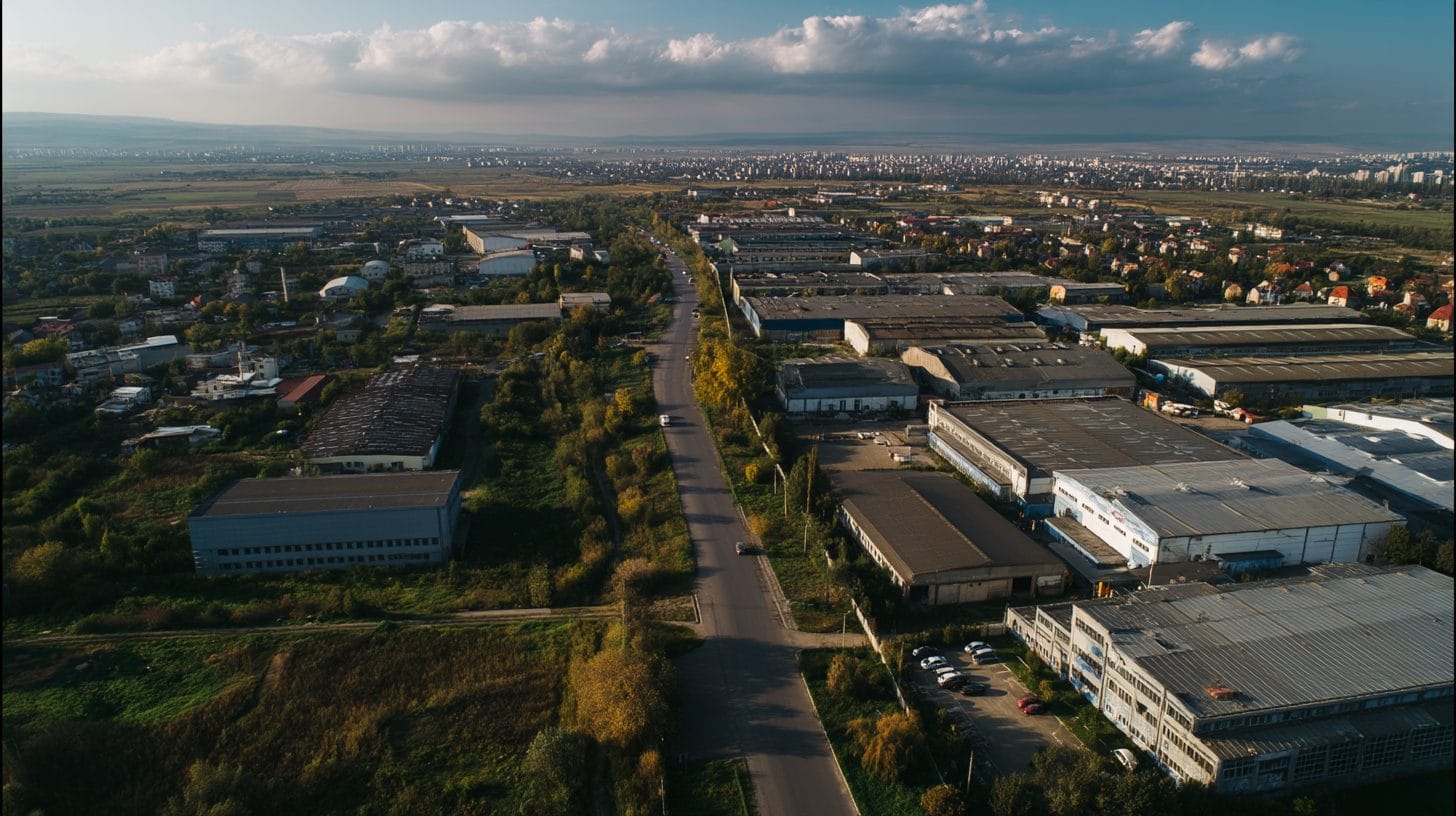
How New Infrastructure Projects Affect Land Prices Near Bucharest
Bucharest, the vibrant capital city of Romania, continues to experience significant transformation and growth, driven primarily by new infrastructure projects. The landscape of land ownership around this bustling metropolis is shifting as various initiatives, including transportation upgrades, urban development, and public works, are reshaping the region. Understanding the intricate relationship between new infrastructure projects and land prices in Bucharest is crucial for investors, urban planners, and residents alike. In this comprehensive analysis, we will explore how new infrastructure projects are influencing land prices, the implications for stakeholders, and the future landscape of real estate in and around Bucharest.
The Role of Infrastructure in Urban Development
Infrastructure serves as the backbone of any city, providing essential services that facilitate commerce, enhance mobility, and improve quality of life. In Bucharest, the ongoing investment in highways, public transport systems, and facilities has yielded significant changes in land prices and usage. Key infrastructure projects, such as the expansion of the Bucharest Metro, new expressways, and the development of business districts, have been pivotal in enhancing connectivity and attracting investment. As accessibility improves, the demand for land in adjacent areas increases, correlating with rising land prices.
Transportation Infrastructure and Real Estate Dynamics
One of the most profound impacts of new infrastructure on land prices in Bucharest can be observed in the realm of transportation. The Bucharest Metro, with its latest expansions, has opened up new areas to commuters and investors alike, increasing the desirability of locations that were previously less accessible. The construction of new metro stations often leads to a surge in demand for residential and commercial properties in the vicinity, driving up land prices significantly.
Moreover, the development of new highways and ring roads has made suburban areas more appealing for both residential and commercial purposes. Areas that benefit from improved transport links see a faster pace of real estate development, attracting homebuyers, businesses, and even multinational corporations looking for advantageous locations. This increased demand for land not only elevates prices but also creates a ripple effect that can enhance the economic vitality of these previously overlooked regions.
Urban Infrastructure and Land Usage
As Bucharest evolves, urban infrastructure projects such as the creation of parks, recreational facilities, and public amenities are also playing a substantial role in influencing land prices. Areas that invest in green spaces and robust public services experience higher real estate demand. The presence of parks and recreational areas enhances the living experience, attracting families and individuals who prioritize quality living environments.
Concurrently, urban renewal projects, such as the revitalization of historical districts and the construction of modern commercial centers, contribute to a rising interest in land investment. These initiatives not only beautify neighborhoods but also enhance their economic prospects by attracting businesses and raising local property values.
Government Initiatives and Economic Performance
Government policies and initiatives concerning land use and infrastructure development are paramount in shaping land prices near Bucharest. Strategic urban planning focused on sustainable growth can mitigate issues like urban sprawl while ensuring that the benefits of new infrastructure projects are equitably distributed across different neighborhoods. Enhanced zoning laws and investment in roads and public transport can lead to more efficient land use and higher property values.
Additionally, government-backed financing for infrastructure projects can stimulate economic growth, fostering an environment conducive to business investment. As new infrastructure initiatives are realized, regional economic performance improves, leading to increased demand for land and, consequently, rising prices.
Market Trends and Future Predictions
Current market trends suggest that the influence of new infrastructure on land prices near Bucharest will continue to be pronounced in the coming years. While established neighborhoods may already be experiencing high land prices, emerging areas stand to benefit significantly as infrastructure projects come to fruition. Investors keen on the real estate market must remain cognizant of upcoming infrastructure developments and align their strategies accordingly.
Forecasts indicate that the ongoing integration of digital infrastructure, smart city initiatives, and sustainable transport options will further enhance land values near Bucharest. Areas that adapt to these modern infrastructure trends are likely to see their land prices appreciate even more, reflecting the broader shifts in urban living preferences.
Conclusion
The relationship between new infrastructure projects and land prices in Bucharest presents a dynamic and ever-evolving landscape. As the capital continues to modernize and expand its infrastructure, the ramifications on land prices will be felt across different sectors, ultimately transforming the economic and social fabric of the region. Understanding these activities is vital for stakeholders, be it investors looking for prosperous opportunities or residents seeking quality living environments. Embracing the potential of new infrastructure investments will not only drive up land prices but will also enhance the overall quality of life in and around Bucharest, positioning it as a city of the future.
Interested in Land Investment in Romania?
We specialize in high-yield land and property opportunities for serious investors.
VIEW OUR CURRENT PORTFOLIOSecure your investment with Land For Investors.

Published: March 12, 2025