

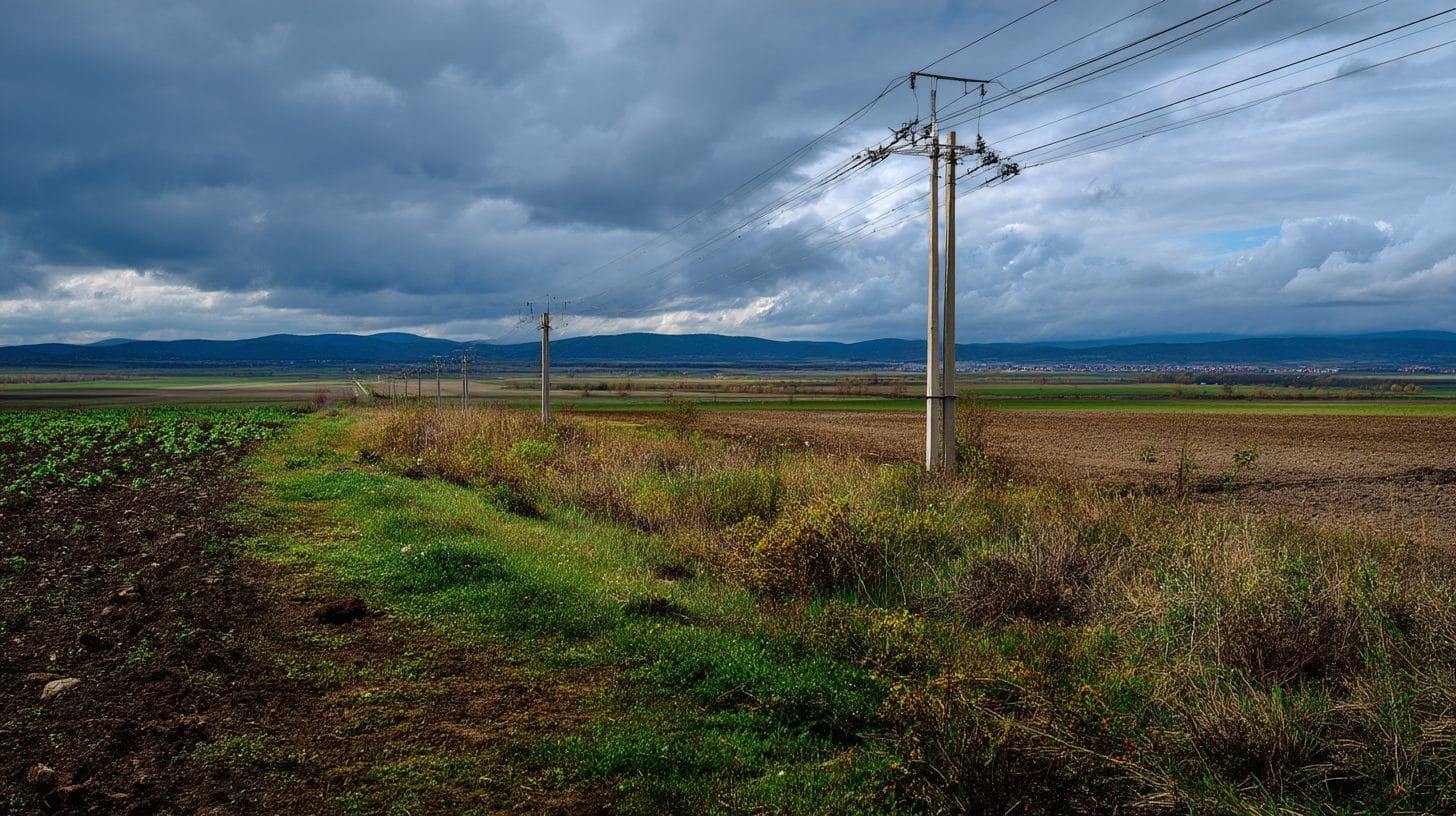
How Infrastructure Developments Impact Land Prices Near Bucharest
The dynamics of land pricing have seen a significant transformation around metropolitan areas, with infrastructure developments acting as a pivotal determinant of these changes. Bucharest, the capital of Romania, epitomizes this phenomenon as the city and its surrounding regions witness rapid infrastructural evolution. Understanding the infrastructure impact on land prices in Bucharest is crucial for potential investors, stakeholders, urban planners, and residents alike.
In recent years, Bucharest has experienced extensive rejuvenation through various infrastructure projects, including road expansions, public transportation enhancements, and utility upgrades. Such developments are often accompanied by the necessity to accommodate an increasing population and sustain economic growth. Consequently, the impact of these projects on land prices near Bucharest manifests in multiple ways.
One of the most notable examples of infrastructure developments affecting land prices is the enhancement of transportation networks. The establishment of modern roadways, highways, and bridges facilitates not only the commute for individuals but also the movement of goods and services, amplifying the economic viability of surrounding areas. As efficiency in transportation increases, the demand for nearby land escalates, consequently driving prices higher. Properties located close to newly constructed roadways or transit hubs are often perceived as more desirable, resulting in a premium on land values.
Moreover, public transportation developments have a profound influence on land prices in Bucharest. The expansion of metro and bus networks makes peripheral areas more accessible to commuters. Areas that were once remote are now considered prime locations for both residential and commercial developments. As a result, these regions experience a surge in land prices as demand rises. The proximity to public transportation is increasingly regarded as a crucial factor in property valuation, creating an impetus for investment in areas with improved transit access.
Another critical aspect to consider is the urban renewal initiatives that have been gaining momentum in Bucharest. As the city invests in revitalizing dilapidated areas, upgrading utilities, and enhancing civic spaces, the aesthetic and functional appeal of these neighborhoods substantially increases. Such transformations not only improve the quality of life for residents but also attract businesses, driving up the demand for land. This renewed interest can manifest in steep rises in land prices as potential buyers vie for limited available space in desirable locations.
The influence of infrastructure projects on land prices also extends to the development of social amenities such as schools, hospitals, parks, and shopping centers. When these facilities are constructed in an area, they can significantly raise the attractiveness of the locality, thereby impacting land prices positively. Families are more likely to invest in properties close to reputable schools and healthcare facilities, further exacerbating price increases as demand multifolds.
It is essential, however, to understand that while infrastructure development can lead to increased land prices, the extent of this impact can vary significantly based on multiple factors. These factors include the location of the infrastructure in relation to existing urban development, the type of infrastructure involved, and other local economic conditions. For instance, while proximity to a major highway can elevate land prices in rural areas, it may not have the same effect in densely populated urban zones where land is already at a premium.
It is also vital to consider the timeline of these developments. Initially, upon the announcement of an upcoming infrastructure project, land prices may see a speculative surge due to anticipated demand. However, as the projects near completion, the speculative bubble may stabilize as the market adjusts to the new normal. Investors keen on understanding the trends in land pricing must pay heed to the various stages of infrastructure development to make informed decisions.
Investors looking at land acquisition near Bucharest should also consider environmental aspects influenced by infrastructure projects. Development can lead to changes in land use, zoning laws, and even the ecological landscape, which can in turn affect the desirability and thus the value of land. Sustainable practices in planning infrastructure can create a positive effect, resulting in further appreciation of land prices as the area becomes more attractive for potential residents and businesses alike.
In conclusion, infrastructure developments wield significant power in determining land prices near Bucharest. The multifaceted relationship between infrastructure improvements and land values requires a nuanced understanding from investors and stakeholders. The impact of these developments can drive up demand, enhance accessibility, and promote economic growth, all of which contribute to the appreciation of land prices. Yet, this is a landscape influenced by a multitude of variables, and assessing infrastructure impact on land prices necessitates a comprehensive approach. Investors, urban planners, and residents keen on navigating the dynamic development landscape surrounding Bucharest must remain vigilant to these trends and consider a robust analysis of infrastructure projects in the area to harness the potential opportunities they present.
Interested in Land Investment in Romania?
We specialize in high-yield land and property opportunities for serious investors.
VIEW OUR CURRENT PORTFOLIOSecure your investment with Land For Investors.

Published: February 19, 2025