

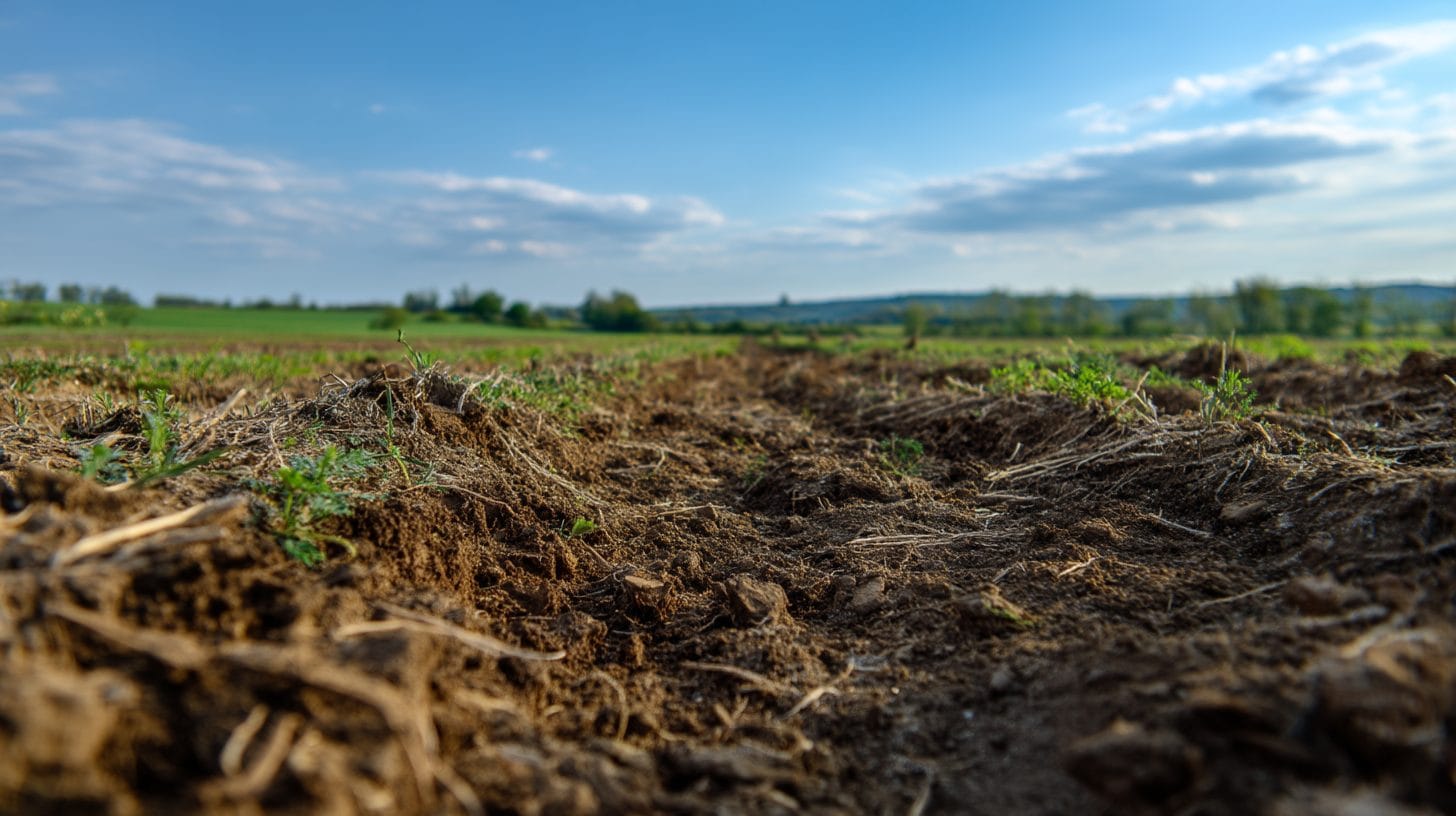
Interest in for sale investment land in Romania has been steadily growing, driven by the country’s favorable geographic position, stable economic trajectory, and competitive land prices compared to Western Europe. Investors looking to diversify their portfolios are increasingly considering Romanian land as a strategic long-term asset, particularly in sectors like logistics, renewable energy, residential development, and agribusiness. With the availability of large plots, supportive EU funding, and expanding infrastructure, Romania stands out as a unique opportunity in the Central and Eastern European real estate landscape.
Why Romania Offers Strategic Value for Land Investment
Romania combines the advantages of EU membership with some of the lowest land prices within the European Union, making it highly attractive for capital outlay with potentially high returns. The country is positioned at the crossroads between Western Europe and the Balkans, with direct access to the Black Sea via the Constanța Port—the largest on the Black Sea and a vital node in the European trade network.
Land values are rising steadily due to urban expansion and increasing foreign direct investment. Regions around Bucharest, Cluj-Napoca, Timișoara, Brașov, and Iași are particularly appealing for developers and investors thanks to their growing infrastructure, skilled workforce, and rising consumer demand.
Furthermore, Romania’s tax system is conducive to investment, with one of the lowest corporate tax rates in the EU at 16%. The government has introduced investor-supportive policies in industrial zones and agricultural modernization, further enhancing the potential for returns on land investments in both rural and urban settings.
Understanding the Types of Investment Land in Romania
The spectrum of for sale investment land in Romania includes various categories, each with distinct benefits depending on the investor’s objectives, timeline, and risk profile.
Agricultural land remains one of the most undervalued yet promising segments. Following Romania’s integration into the EU, there has been a significant drive toward modernization of agriculture, including subsidies and development programs. Foreign investors can purchase agricultural land, although there are regulatory steps to follow if not an EU national. Demand for high-quality farmland continues to grow as food security and supply chain consolidation become global priorities.
Urban development land is highly sought after near expanding cities, particularly in proximity to motorway projects, industrial parks, and commercial hubs. These plots often attract developers for residential projects, logistics centers, and retail spaces, especially as Romania faces a growing demand for housing and modern infrastructure in major metro areas.
Recreational and tourism-focused land, particularly in regions such as Transylvania, Maramureș, and the Carpathian Mountains, aligns with Romania’s increasing appeal as a tourist destination. Investors can explore opportunities in eco-tourism, boutique resorts, or mountain retreats that target international markets.
Greenfield land suitable for renewable energy projects is also emerging as a lucrative segment, especially with EU-backed incentives for solar and wind energy initiatives. Romania has considerable solar potential in its southern regions and wind energy capacity in Dobrogea, making energy-related land a strategic option for medium to long-term returns.
Key Regions to Watch for Land Investment Growth
Romania’s diverse regional landscape offers different investment conditions and trajectories. The capital, Bucharest, continues to experience consolidation and expansion, particularly in adjacent areas such as Ilfov County. Land near infrastructure corridors and ring roads commands higher value, underpinned by strong demand for logistics and business developments.
Cluj-Napoca, often referred to as Romania’s tech capital, draws considerable interest for residential and commercial projects. Timișoara and Brașov, both endowed with skilled labor and proximity to Western trade routes, are likewise poised for industrial land growth.
The Constanța region benefits from its proximity to maritime trade routes and is becoming increasingly important for logistics infrastructure development. Ports, freight terminals, and warehousing facilities are in demand, making surrounding land parcels potentially valuable.
In more rural settings, counties like Bihor, Suceava, and Arad offer significant tracts of productive agricultural land attractive to institutional investors in agribusiness. As the country works to improve irrigation and rural logistics, the value of these lands is expected to increase.
Infrastructure and Legal Considerations
Romania continues to develop its national infrastructure network, with a major emphasis placed on expanding its highways, railways, and digital connectivity. Several EU-funded projects are currently underway, notably improving access in previously underconnected regions—this can dramatically influence land valuations in the coming years.
Foreign investors must be attentive to local zoning laws, utility access, and environmental regulations when evaluating Romanian plots. Legal due diligence is crucial, particularly in verifying clean land title, permitted usage type, and the presence of any encumbrances or co-ownership issues—a vestige from the post-Communist land restitution process.
A clear benefit for EU citizens is the freedom to purchase agricultural and urban land with fewer restrictions. Non-EU buyers often use Romanian-incorporated entities to facilitate acquisitions, which also brings tax and operational advantages, provided that local legal and financial advisors are involved from the outset.
Risks and Exit Strategies
Like all emerging land markets, Romania comes with risk factors that savvy investors must weigh. Fluctuations in regulatory policy, bureaucratic inefficiencies, and local administrative delays can affect timeframes and costs. However, these challenges can be mitigated with experienced local partners and a sound, research-driven investment thesis.
Exit strategies vary by land type. Agricultural land might appreciate slower but offers stable leasing opportunities to local farmers or agribusiness operators. Urban and industrial plots can secure faster exits as Romanian real estate development accelerates. Energy-sector land may take longer to build out but aligns with long-term global sustainability trends, potentially attracting institutional players or ESG funds.
Conclusion: A Long-Term Strategic Asset
Strategically located, economically favorable, and full of unrealized potential, for sale investment land in Romania presents a compelling case for foreign investors seeking to establish a presence in an undervalued but upward-trending market. With targeted planning, regional insight, and informed due diligence, land investments in Romania can offer diversified returns across agriculture, real estate development, logistics, and renewable energy. As the country deepens its economic integration within the EU and expands its infrastructure backbone, the value proposition for land investors only grows stronger.
Interested in Land Investment in Romania?
We specialize in high-yield land and property opportunities for serious investors.
VIEW OUR CURRENT PORTFOLIOSecure your investment with Land For Investors.

Published: January 20, 2026