

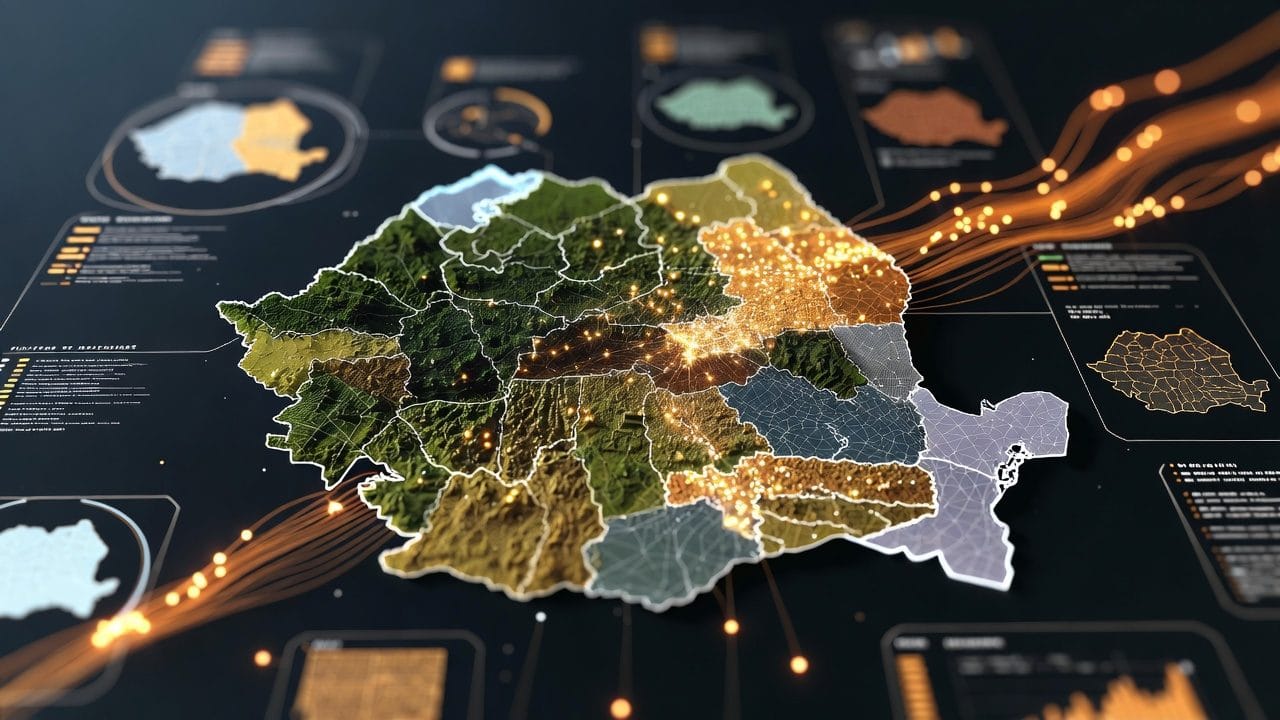
Investing in farmland within the European Union, particularly in a region like Transylvania, presents both lucrative opportunities and unique challenges for foreign investors. The allure of Transylvania lies not only in its picturesque landscapes and historical significance but also in its agricultural potential. As global demand for food and sustainable farming practices increases, the region is well-positioned to meet these needs. However, navigating the complexities of the Romanian real estate market requires a solid understanding of local laws, agricultural practices, and the socio-economic environment.
Understanding the Legal Framework
Before delving into farmland purchasing, investors must familiarize themselves with Romania’s legal landscape regarding agricultural land ownership. Foreign investors are allowed to purchase farmland, but certain conditions must be met. The law mandates that non-EU citizens can only acquire agricultural land through a Romanian company established by them, while EU nationals have fewer restrictions. This legal framework has been established to protect national agricultural interests and ensure that land remains accessible to local communities and farmers.
It is essential for investors to seek legal counsel to assist in navigating these regulations, which may include specific zoning laws and property rights issues. Due diligence is critical; potential buyers should verify land use, ownership rights, and any encroachments or easements that could impact their investment. Consulting with local legal experts familiar with land transactions can help foreign investors identify suitable properties and avoid potential pitfalls.
Evaluating Agricultural Viability
Transylvania’s diverse climate and fertile soil make it an ideal candidate for a variety of agricultural activities, from traditional farming to organic agriculture and viniculture. It is paramount for investors to conduct thorough research on the type of farming best suited for specific parcels of land. For instance, certain areas are known for producing high-quality wines, while others may excel in growing grains or vegetables. Engaging local agronomists or agricultural specialists can provide insight into soil conditions, climate variations, and prevailing agricultural practices.
Moreover, understanding market demand is crucial. An increase in consumer demand for organic and locally sourced produce has created a fertile ground for investing in sustainable farming practices. Investors should also consider the logistics of transporting goods to larger markets, as access to infrastructure can significantly impact the viability of certain farming operations.
Navigating the Socio-Economic Landscape
Investors must be aware of the socio-economic factors that can influence their farmland investment in Transylvania. The region has a rich cultural heritage and a predominantly rural population, many of whom depend on agriculture for their livelihood. Engaging with local communities can provide valuable insights into market dynamics and consumer preferences. Moreover, establishing good relationships with local farmers and agricultural cooperatives can create opportunities for collaboration, enhancing productivity and profitability.
It is also worth noting that Romania has undergone significant agricultural modernization in recent years. EU subsidies and funding have supported the development of more efficient farming practices, and awareness of sustainable agriculture is on the rise. However, adapting to these changes may require investment in new technologies and training, which can further increase initial capital outlay.
Assessing Investment Risks
As with any investment, there are risks associated with purchasing farmland in Transylvania. The volatility of agricultural markets, local climatic conditions, and changing EU agricultural policies can greatly impact profitability. Moreover, investors should remain cognizant of the political landscape in Romania, as changes in government policies can affect property rights and agricultural subsidies.
Engaging in comprehensive risk assessment strategies is essential. Investors may want to consider diversification, spreading investments across various types of crops or even different regions within Transylvania. This can mitigate the financial impact in case of a poor harvest or market downturn.
Exploring Financial Assistance and Incentives
To support the agricultural sector, the Romanian government, along with the European Union, offers various financial assistance programs aimed at promoting investment in rural development. These incentives could range from grant programs to low-interest loans designed to help investors acquire land or implement sustainable farming practices. Researching these funding opportunities can significantly enhance the return on investment and make farmland acquisition more feasible.
Carefully crafted business plans that align with available grants and subsidies can attract further financial backing and reduce individual risk. Furthermore, participating in training programs or workshops offered through EU channels can facilitate a smoother transition into the local agricultural market and improve operational efficiency.
Conclusion
Investing in farmland within the European Union, specifically in Transylvania, holds significant promise for foreign investors willing to navigate the complexities of local regulations and market dynamics. A deep understanding of legal requirements, agricultural viability, socio-economic context, and risk assessment will be essential to capitalize on the opportunities the region presents. As demand for sustainable food sources grows, Transylvania could emerge as a pivotal area for agricultural investment. For those who conduct thorough research and engage with local experts, the prospect of building a profitable farmland investment is both realistic and rewarding.
Interested in Land Investment in Romania?
We specialize in high-yield land and property opportunities for serious investors.
VIEW OUR CURRENT PORTFOLIOSecure your investment with Land For Investors.

Published: February 11, 2026