

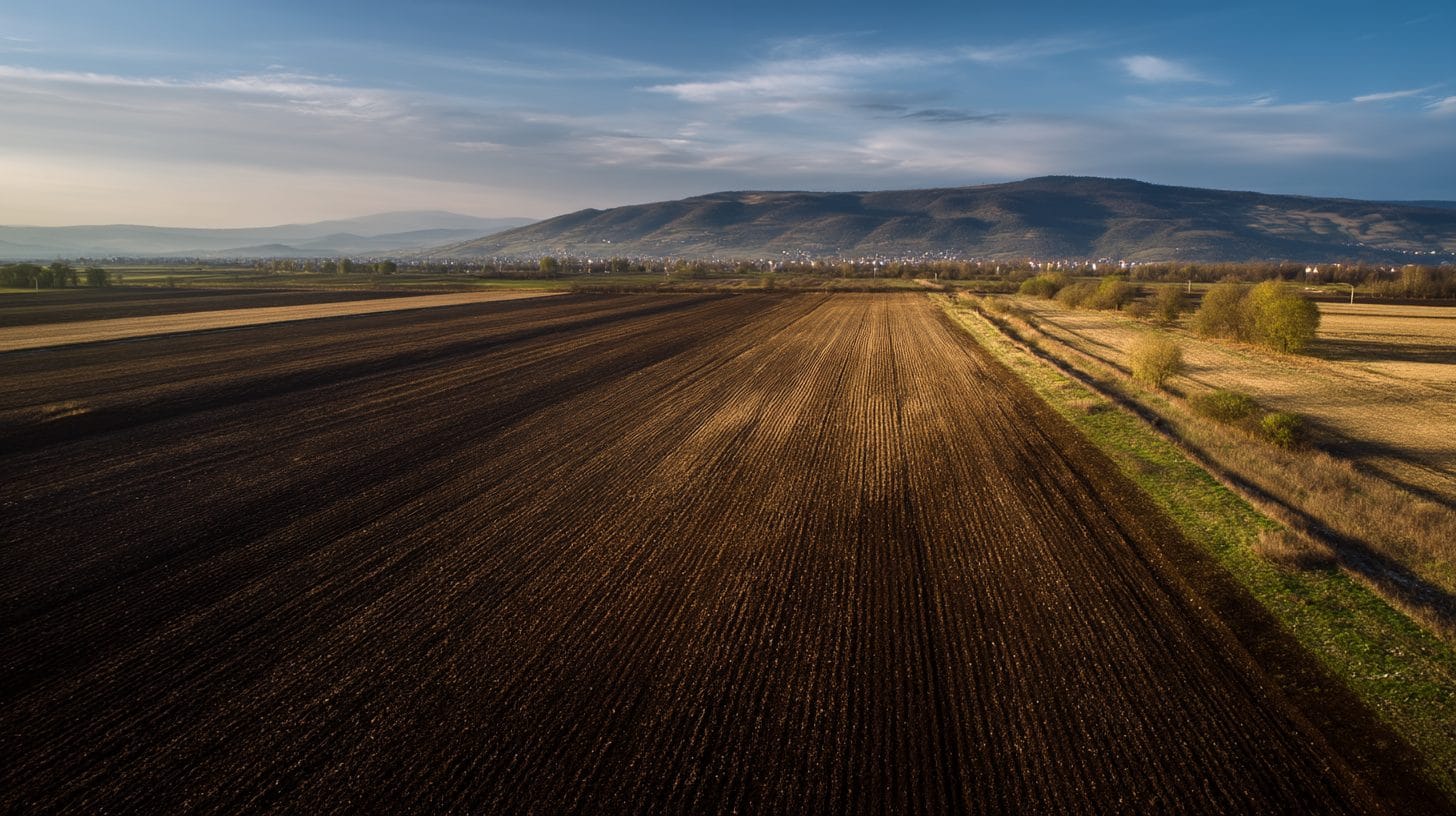
Evaluating Water Rights and Resources on Land in Clienceni, Ilfov
In the realm of land management and environmental stewardship, understanding the intricacies of water rights and resources is paramount, particularly in regions like Clienceni, Ilfov. This area presents unique challenges and opportunities when it comes to navigating the legal frameworks and ensuring sustainable use of water resources. With the increasing pressures from urban development, agriculture, and industrial activities, effective evaluation and management of water rights in Clienceni are essential for maintaining ecological balance and supporting local communities.
Water rights refer to the legal entitlements that allow individuals and entities to use water from a water source, whether that be surface water like lakes and rivers or groundwater from aquifers. In Clienceni, where agriculture and residential development intersect, understanding and securing these rights is critical for landowners and developers. An efficient system of water rights is fundamental to regulating how water is allocated, ensuring both fair use and environmental preservation.
When assessing water rights land Clienceni Ilfov, one must consider a combination of national regulations, regional laws, and local ordinances that govern the use of water resources. Romania’s Water Law, which is the primary framework for water management, outlines the responsibilities of water users and establishes the allocation procedures for both public and private water use. These regulations are designed to protect the aquatic environment while also addressing the needs of various stakeholders involved, including farmers, industrialists, and residential communities.
One of the key aspects of evaluating water rights in Clienceni is understanding the different categories of water use. There are generally two types of water rights: consumptive and non-consumptive. Consumptive rights are those that allow for the direct use of water, such as irrigation or water supply for households. Non-consumptive rights, on the other hand, pertain to activities that do not remove water from its source, such as fishing and recreational activities. Evaluating these rights requires significant attention to detail, including the specific quantities of water in use and the purposes for which the water is applied.
Another important consideration is the impact of climate change and regional hydrological cycles on water availability. With shifting weather patterns, Clienceni may experience fluctuations in water availability affecting both the agricultural sector and the broader community. Evaluating water rights must therefore incorporate an awareness of long-term trends in precipitation and temperature, particularly since these factors influence both surface and groundwater supplies. Water shortages or surpluses could lead to increased competition over water resources, necessitating a proactive approach to water rights allocation and management.
The role of local governance also plays a critical part in the evaluation of water rights on land in Clienceni, Ilfov. Local authorities are tasked with the implementation of national water policies and must navigate the complexities of balancing urban development with sustainable resource management. This involves engaging with the public and various stakeholders to establish fair water use practices and to promote awareness of water conservation initiatives. Fostering relationships between the government, landowners, and agricultural stakeholders is essential for establishing a collaborative framework for water management.
Additionally, the presence of existing water rights can significantly impact the evaluation process. Landowners in Clienceni must recognize if neighboring properties have established water rights that might affect their own access and usage. Conflicts may arise when overlapping rights exist, necessitating mediation and potential legal actions to resolve disputes. Thus, thorough research into the history of water rights in the area is crucial for prospective buyers or developers looking to invest in land in Clienceni or surrounding areas.
Implementation of technology plays an increasingly vital role in assessing and managing water resources effectively. Utilizing Geographic Information Systems (GIS) can aid in visualizing and analyzing water resources on land in Clienceni, allowing stakeholders to make informed decisions based on comprehensive data about water availability, usage patterns, and potential environmental impacts. Moreover, remote sensing technology can help monitor water quality and quantity over time, ensuring that all users comply with regulations and maintain sustainable practices.
Sustainability is a central theme in the evaluation of water rights and resources. As Clienceni continues to develop, practices geared towards sustainable water use must be prioritized. This may include implementing strict irrigation management practices in agriculture, promoting rainwater harvesting for residential areas, or encouraging the re-use and recycling of water in industrial processes. Innovative approaches that respect both human needs and environmental integrity can create a resilient framework for water management in the region.
It is equally important to consider the future implications of water rights in Clienceni, particularly as it relates to population growth and urban expansion. As demand for water resources continues to escalate due to demographic shifts, there is an urgent need for adaptive management strategies that can address these changing dynamics. Policymakers must remain agile, ensuring that laws and regulations surrounding water rights are continuously updated to reflect current patterns and scientific understanding of water resources.
In conclusion, evaluating water rights and resources on land in Clienceni, Ilfov is a multifaceted endeavor that requires a comprehensive understanding of legal frameworks, environmental conditions, and community needs. With the right approach, stakeholders can navigate the complexities of water rights to ensure sustainable usage and equitable access to vital water resources. By fostering cooperation and leveraging technology in decision-making processes, Clienceni can establish itself as a model for effective water management that balances growth with environmental stewardship, ultimately ensuring the well-being of both current and future generations.
Interested in Land Investment in Romania?
We specialize in high-yield land and property opportunities for serious investors.
VIEW OUR CURRENT PORTFOLIOSecure your investment with Land For Investors.

Published: March 20, 2025